







Brand positioning trends 2025: What’s shaping strong strategies?

In today’s hyper-competitive marketplace, how your brand positions itself can make the difference between thriving and merely surviving. As we move through 2025, brand positioning continues to evolve rapidly, influenced by changing consumer behaviours, technological advancements, and shifting market dynamics. Understanding these trends isn’t just advantageous—it’s essential for brands seeking to carve out their unique space in consumers’ minds.
This article explores the key brand positioning trends defining 2025, offering insights into how forward-thinking organisations are adapting their strategies to maintain competitive advantage.
We’ll examine practical approaches to leveraging these trends and provide real-world examples of brands successfully implementing effective positioning frameworks.
Why brand positioning is more important than ever in 2025
The concept of brand positioning has always been fundamental to marketing strategy, but several factors have heightened its importance in 2025’s business landscape.
Consumer expectations have undergone a seismic shift, with today’s audience demanding more from the brands they support than ever before.
The modern consumer doesn’t merely purchase products or services; they invest in brand experiences and values that align with their own.
This evolution has transformed brand positioning from a marketing tactic into a core business strategy that influences every facet of an organisation.
What’s more, the proliferation of digital channels has created an increasingly fragmented media landscape where capturing and maintaining audience attention requires precise targeting and compelling unique value propositions.
In this environment, strategic brand positioning provides the clarity and focus necessary to cut through the noise and establish meaningful connections with target audiences.
As market competition intensifies, distinct brand identity and effective positioning have become critical differentiators.
Brands without clear positioning risk becoming indistinguishable from competitors, leading to commoditisation and price-based competition—a precarious position in today’s value-driven marketplace.

Key trends shaping brand positioning in 2025
Staying attuned to evolving trends is crucial for developing positioning strategies that resonate with contemporary audiences.
Here are the most significant trends influencing brand positioning in 2025:
Authenticity and transparency
Today’s consumers possess unprecedented access to information, enabling them to scrutinise brands more thoroughly than ever before. This scrutiny has elevated authenticity to a paramount positioning element in 2025.
Brands achieving the greatest success are those embracing radical transparency in their operations, communications, and values.
This transparency extends beyond product sourcing and manufacturing to encompass corporate governance, employee treatment, and environmental impact.
Authenticity in brand positioning manifests through consistent messaging that aligns with actual business practices.
Consumers quickly identify disconnects between what companies say and what they do, making authenticity not just desirable but essential for maintaining brand perception and customer loyalty.
Community engagement
The evolution from one-way brand communications to interactive community dialogue represents one of 2025’s most transformative brand positioning trends. Forward-thinking organisations now position themselves as community facilitators rather than mere product providers.
This shift involves creating spaces—both digital and physical—where customers can connect with the brand and each other.
These brand-led communities foster deeper relationships, turning casual customers into passionate advocates who contribute to product development, marketing, and overall brand storytelling.
Community engagement as a positioning element allows brands to gather invaluable insights directly from their most engaged customers, creating a virtuous cycle of improved offerings and strengthened brand loyalty.
Experiential marketing
Experience has become a crucial differentiator in brand positioning strategies. In 2025, companies are investing heavily in creating memorable brand experiences that transcend traditional product-focused marketing.
This experiential approach to positioning involves engaging multiple senses and creating emotional connections that remain with consumers long after the interaction concludes.
From immersive retail environments to virtual reality product trials, experiential positioning helps brands occupy distinctive mental space in increasingly competitive markets.
The most effective experiential strategies align perfectly with the brand’s core values and messaging, creating coherent experiences that reinforce the brand’s market positioning while delivering genuine customer value.
Personalisation and data-driven insights
Advancements in data analytics and artificial intelligence have revolutionised personalisation capabilities, transforming how brands position themselves to individual consumers rather than broad segments.
Modern positioning strategies leverage sophisticated data insights to create highly tailored messages, products, and experiences that resonate on a personal level.
This micro-positioning approach enables brands to maintain consistent overall identity while adapting specific elements to individual preferences.
The challenge for brands in 2025 lies in balancing personalisation with privacy concerns—a tension that the most successful brands navigate by being transparent about data usage and delivering genuinely valuable personalised experiences that justify information sharing.
Sustainability and social responsibility
Perhaps no trend has more significantly influenced brand positioning in 2025 than the emphasis on sustainability and social responsibility. Environmental awareness and social consciousness have shifted from niche concerns to mainstream expectations.
Brands across industries now incorporate sustainability into their core positioning, highlighting eco-friendly practices, ethical sourcing, and social impact initiatives.
This positioning element appeals to increasingly conscious consumers while helping brands differentiate in crowded markets.
Importantly, competitive advantage through sustainability positioning requires authentic commitment rather than superficial “greenwashing.” Brands successfully leveraging this trend demonstrate measurable impact and transparent reporting of their sustainability efforts.

How successful brands are adapting to these trends
Understanding these trends theoretically is valuable, but examining their practical application provides even more actionable insights.
Let’s explore how several brands have successfully adapted their positioning strategies to align with 2025’s prevailing trends:
MAXA Group (merger and positioning)
MAXA Group exemplifies effective modern brand positioning through its purpose-driven approach following a significant merger. The organisation faced the challenge of unifying distinct corporate cultures while establishing a compelling market position.
By developing a positioning framework centred on innovation and human-centric solutions, MAXA successfully differentiated itself in a competitive technology landscape.
Their brand purpose—”Maximising human potential through accessible technology”—now serves as the foundation for all communications and strategic decisions.
This positioning has proved particularly effective because it resonates with both B2B clients and end-users, creating a unified message that works across diverse audience segments.
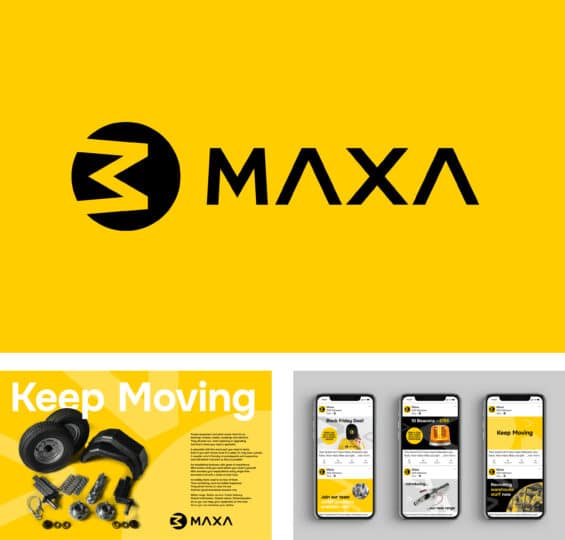
MAXA’s case demonstrates how positioning based on brand purpose can create coherence during organisational transformation while establishing distinctive market presence.
You can view MAXA Group’s merger strategy and branding case study for a more detailed exploration of their positioning approach.
Amplius (merger branding)
Amplius offers a compelling example of community engagement as a positioning strategy. Following a merger of housing providers Longhurst Group and Grand Housing Union, the new entity needed to establish a distinct identity in a sector often perceived as impersonal and transactional.
Their strategic approach involved positioning the merged organisation as a community facilitator, creating platforms for clients to share financial knowledge and experiences.
This community-centric positioning helped Amplius differentiate from competitors focused solely on product features or pricing.
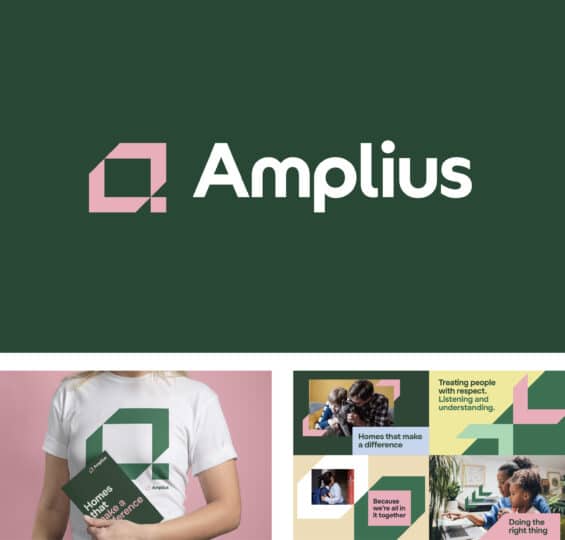
By fostering genuine connections among clients with similar financial goals, Amplius transformed its positioning from a traditional financial services provider to a trusted community hub.
This approach has yielded measurable results, with client retention rates significantly exceeding industry averages.
Learn more about the Amplius merger strategy, naming and branding programme here.
Paragon (brand strategy)
Paragon demonstrates effective use of brand values in positioning strategy. Operating in the competitive professional services sector, the company needed clear differentiation from numerous similar providers.
Their approach centred on identifying core brand values that resonated with their target audience while authentically reflecting their organisational culture.
These values—excellence, integrity, and innovation—became the foundation for their positioning as “The benchmark for professional excellence.”
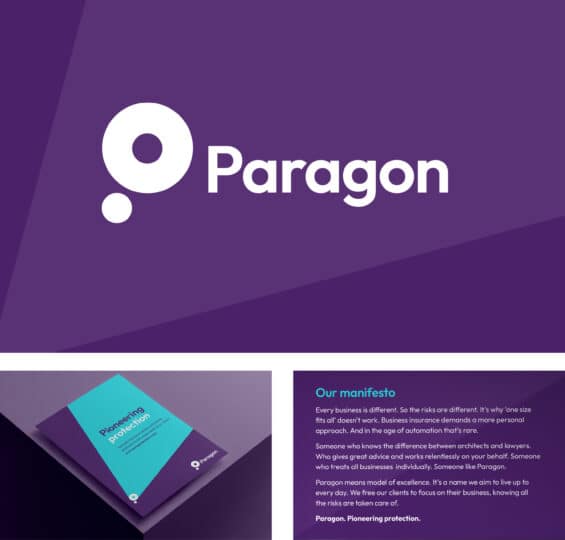
This values-based positioning permeates everything from their service delivery to client communications, creating a coherent brand experience that consistently reinforces their market position.
Paragon’s success illustrates how effectively articulated brand values can create distinctive positioning even in crowded markets.
Explore the complete brand transformation here.

Practical steps for leveraging 2025 brand positioning trends
Understanding current trends is valuable, but translating this knowledge into actionable strategy requires structured approach.
Here are practical steps for implementing these trends into your brand positioning framework:
Aligning brand values with audience expectations
The first step in modern brand positioning involves identifying the intersection between your organisation’s authentic values and your audience’s expectations.
This alignment creates the foundation for positioning that resonates emotionally while remaining true to your brand identity.
Begin by conducting comprehensive audience research to understand evolving expectations, particularly regarding issues like sustainability, social responsibility, and transparency.
Compare these findings with your organisation’s actual values and capabilities, identifying areas of natural alignment and potential disconnects.
Develop positioning that emphasises the genuine connections between what your audience values and what your brand delivers. This authentic alignment creates positioning that feels neither forced nor inauthentic, establishing a solid foundation for long-term brand perception.
Leveraging data for personalisation
Effective personalisation begins with strategic data collection and analysis. Identify which customer data points provide genuinely valuable insights for personalising experiences without creating privacy concerns or data overload.
Implement systems that translate these insights into actionable positioning elements, such as tailored messaging, customised product recommendations, or personalised content experiences.
The goal is creating the impression that your brand understands individual customers while maintaining consistent overall positioning.
Importantly, measure the impact of personalisation efforts on key metrics like engagement, conversion, and loyalty to determine which personalisation tactics most effectively support your overall positioning strategy.
Crafting an authentic brand voice
Your brand’s communication style serves as a critical positioning element, particularly in digital interactions where tone and voice may be the primary distinguishing factors between competitors.
Develop clear guidelines for your brand voice that align with your positioning strategy and resonate with target audiences. This voice should remain consistent across channels while adapting appropriately to different contexts and platforms.
Test your brand voice with actual audience members to ensure it creates the intended impressions and emotional responses. The most effective brand voices evolve naturally over time while maintaining core elements that support consistent positioning.
Measuring success and adapting over time
Brand positioning isn’t a one-time exercise but an ongoing process requiring regular measurement and refinement.
Establish clear metrics for evaluating positioning effectiveness, including both perceptual measures (brand associations, recall, sentiment) and behavioural indicators (conversion rates, premium pricing acceptance, loyalty).
Implement regular tracking of these metrics, creating dashboards that provide comprehensive views of positioning performance. Use these insights to identify areas requiring adjustment or reinforcement.
Create systematic processes for evolving your positioning in response to changing market conditions while maintaining core elements that define your brand.
This balanced approach ensures positioning remains relevant without losing the consistency necessary for building strong brand associations.

Common pitfalls to avoid in 2025
Even the most carefully crafted positioning strategies can falter if they fall victim to common implementation errors.
Here are critical pitfalls to avoid as you develop your 2025 positioning approach:
Overhyping sustainability without action
Perhaps the most dangerous positioning error in 2025 involves claiming sustainability credentials without substantive action. Today’s consumers quickly identify superficial “greenwashing” and respond with decreased trust and potential backlash.
Avoid this pitfall by ensuring your sustainability positioning reflects actual practices and measurable commitments. If your sustainability journey is just beginning, position honestly as a brand in transition rather than overstating current achievements.
Remember that effective sustainability positioning requires organisational commitment beyond marketing—involving operations, supply chain, product development, and corporate governance in a comprehensive approach that delivers on positioning promises.
Losing authenticity with forced personalisation
While personalisation offers powerful positioning opportunities, implementing it poorly can damage brand perception. Overly aggressive personalisation that feels invasive or inaccurate creates negative experiences that undermine positioning efforts.
Avoid this pitfall by focusing on quality over quantity in personalisation initiatives. Implement personalisation only where it delivers genuine value and aligns with your overall brand experience.
Test personalisation approaches thoroughly before widespread implementation to identify potential issues.
Remember that effective personalisation enhances your core positioning rather than replacing it—maintaining consistent brand identity while adapting specific elements to individual preferences.
Neglecting community engagement
Many brands attempt community-building as a positioning strategy but underestimate the commitment required for success. Half-hearted community initiatives often fail, potentially damaging brand perception rather than enhancing it.
Avoid this pitfall by allocating sufficient resources—both human and financial—to community development initiatives. Recognise that communities require continuous nurturing rather than sporadic attention, necessitating long-term commitment.
Create clear guidelines for community management that align with your overall positioning, ensuring community interactions consistently reinforce your desired brand associations and deliver value to participants.

Staying ahead with future-proof brand positioning
As we’ve explored, brand positioning in 2025 requires balancing emerging trends with timeless principles of clarity, consistency, and authenticity.
The most successful positioning strategies embrace relevant trends while remaining grounded in genuine brand strengths and values.
Effective brand positioning isn’t created through isolated marketing efforts but emerges from alignment between every aspect of the organisation—from product development to customer service to corporate leadership.
This holistic approach creates positioning that resonates with audiences because it reflects actual experiences rather than aspirational messaging.
As you develop your brand positioning strategy, remember that differentiation remains the ultimate goal.
In increasingly crowded markets, distinctive positioning that occupies unique mental space provides sustainable competitive advantage that transcends product features or pricing strategies.
For organisations seeking to develop or refine their brand positioning for 2025 and beyond, Fabrik offers comprehensive brand positioning services backed by proven expertise.
Our strategic approach combines data-driven insights with creative excellence to create positioning that drives measurable business results.
Contact Fabrik today to discuss how our brand positioning expertise can help your organisation achieve distinctive presence in an ever-evolving marketplace.
Fabrik: A branding agency for our times.

Clarity starts with a conversation.
Thanks—we’ll get back to you shortly.
Whether you're navigating a rebrand, merger, or simply need a clearer identity—we’re here to help. No hard sell, just honest advice from people who know the sector.
Let’s start with a simple question…
Prefer to email? Drop us a line.
Fabrik’s been helping organisations rethink and reshape their brands for over 25 years. We’ve guided companies through mergers, rebrands and new launches. Whatever stage you’re at, we’ll meet you there.
