











Is rebranding a good idea? Pros and cons to consider before a business rebrand
Is rebranding a good idea? The simple answer is that it depends on why you’re rebranding, and how you approach the rebranding process. A new brand identity can be a powerful thing, helping you to attract new customers, enhance your visual identity and give your company new life.
At Fabrik, we’ve worked on dozens of rebranding projects that have delivered incredible results for our clients. Just look at how the Sight Scotland rebrand repositioned the nonprofit and strengthened its connection with its target audience.
Or look at how the Network Homes rebrand gave the company clarity and cohesion, increasing its ability to attract potential clients?
But rebranding is tricky. Choose to rebrand at the wrong time, for the wrong reasons, or without the right strategy, and you could alienate your target market, lose money, and fall behind the competition.
Here, I’ll introduce you to the pros and cons of rebranding, and show you how you can decide whether a carefully developed rebranding strategy is right for you.
Is rebranding a good idea? What is rebranding?
Rebranding is the process companies use to alter the image, identity, personality, positioning, and even name of their organization. It involves a fundamental shift in your entire branding strategy, not just changing a couple of things, like the structure of your logo.
That means the rebranding process isn’t the same as a “brand refresh”.
A brand refresh is a much smaller task. Instead of completely overhauling your entire identity, you simply modernize or refine a few elements. For instance, lots of companies invest in logo redesign strategies from time to time, updating their image, color palette, or font choices.
To put this into perspective, Starbucks has refreshed its brand identity multiple times after introducing new products, and expanding its reach into new markets. The company name stayed the same, along with its values and vision, but the Starbucks image changed.
Alternatively, when Facebook became Meta, it invested in an entire rebrand, attempting to reposition itself as a technology innovator, rather than just a social media company.
The pros and cons of rebranding
As a branding specialist at Fabrik, I’ve seen plenty of evidence that rebranding can be an excellent idea. In certain circumstances, rebranding efforts make a lot of sense.
They can do more than just give your company a “fresh look”. The right branding can completely revitalize your company, making your vision or mission clear to your target audience, helping you to reach new customers, and fuelling business growth.
But a full rebrand is only a good ideawhen it’s done for the right reasons.
You don’t necessarily need to rebrand every time you add a new product to your collection, or decide your company’s image is a little outdated. In fact, implementing big changes without the right strategy can confuse your customers, and harm your brand’s reputation.
After all, over time, people forge emotional connections with your brand. If your brand identity is constantly changing, your audience will lose sight of how to identify you.
Here’s a closer look at the pros and cons of rebranding, to help you make the right choice.
Is rebranding a good idea?
The benefits of rebranding
As mentioned above, rebranding can be a good idea in the right circumstances. Over time, a company naturally evolves, introducing new product offerings, refining their mission and values, and expanding into new markets.
At the same time, customer expectations change, and moving your brand in a new direction can help you to unlock more revenue and opportunities for growth.
The benefits of rebranding include:
Improved alignment
One of the most common reasons companies consider rebranding, is that their current brand just doesn’t align with their purpose, promise, or values like it used to. Rebranding can help bring your image and identity in line with your brand vision.
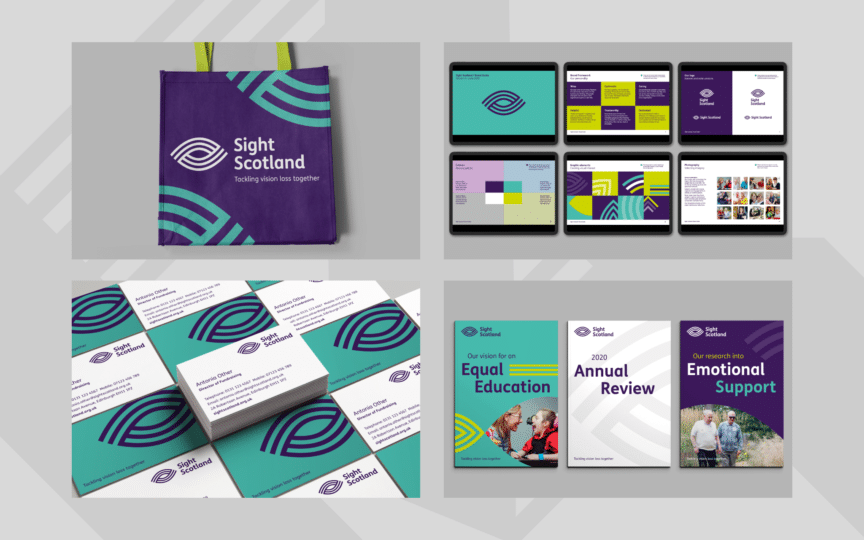
As an example, Sight Scotland’s old company name, “Royal Blind” didn’t really resonate with its purpose. The organisation wanted to help and support all people affected by vision loss, not just those identified as blind. Rebranding helped them to give clarity to their customer base.
If you’ve taken a closer look at your brand’s vision and values, and decided your current brand doesn’t fit, rebranding makes sense. You might even need to rebrand after you merge with another company, and change your purpose, or mission statement.
Better relationships with customers
If your company has already become a household name with your customer base, and you benefit from incredible brand recognition, then it doesn’t make sense to change anything.
However, if your customers seem confused about your values, your unique selling points, or the benefits you can offer, a rebrand might help.
Meta is probably the best example of a company that chose to rebrand to improve its relationship with its target audience. When it changed its name and positioning, it wasn’t just trying to escape the negative publicity that “Facebook” had earned over the years.
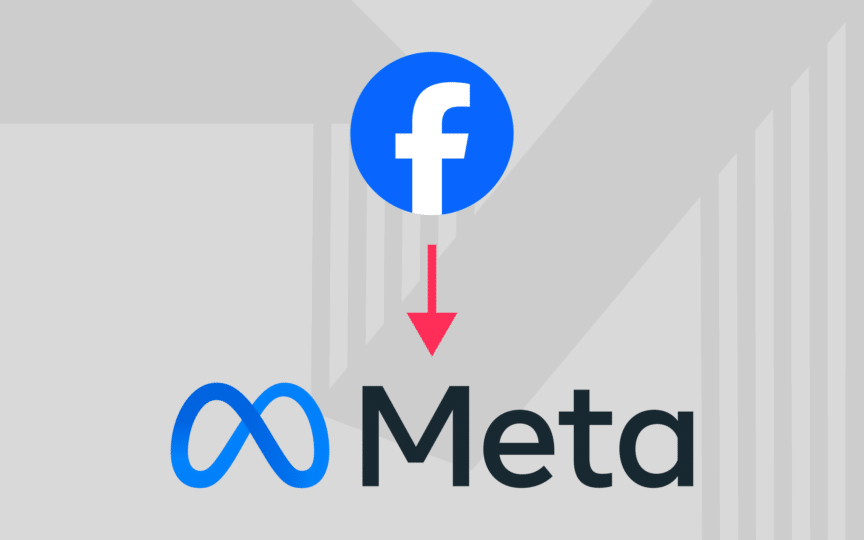
It wanted to re-identify itself as a parent brand responsible for a wide range of technology companies, from Facebook and Instagram, to WhatsApp, and beyond.
A new identity gave Meta the ability to better show its customers that it was a technology leader, not just a social media company. It also helped the organization to attract the attention of new potential customers in the business landscape.
Changing your name, your logo design, color scheme, and even your positioning can help you reach new demographics, and also strengthen relationships with existing customers. All you need is the right strategy, to ensure you don’t alienate old customers.
Increased revenue and profits
Notably, there is a cost associated with rebranding, but the ROI (Return on Investment) can be significant too. If your current brand isn’t delivering results, perhaps because it’s not resonating with your target audience, or doesn’t position you in the right light, you’ll lose money.
Alternatively, creating a brand identity that accurately reflects your brand values, differentiates you from the competition, and makes your business more memorable helps you gain market share.
Even subtle changes can make a huge difference to your earning potential. When Dunkin’ Donuts changed its name to Dunkin’ and updated its logo, it attracted more customers by simply showing them the company offered more than just one product.
A rebrand can also help you gain the trust of your target audience, and change your position in the minds of people relevant to your company. If your company rebrands effectively, it can distance itself from negative perceptions, and get a proverbial “fresh start” in the market.
Enhanced positioning and messaging
When companies first launch in a market, they position themselves in a specific way to attract a certain audience. Old Spice initially positioned itself as a company that created sophisticated aftershaves and similar products for men.
After conducting focus groups to find out why its sales were dropping, the company decided it needed to change tactics. It rebranded itself as a fun, friendly, and playful company, committed to creating products for all types of consumers – including women.
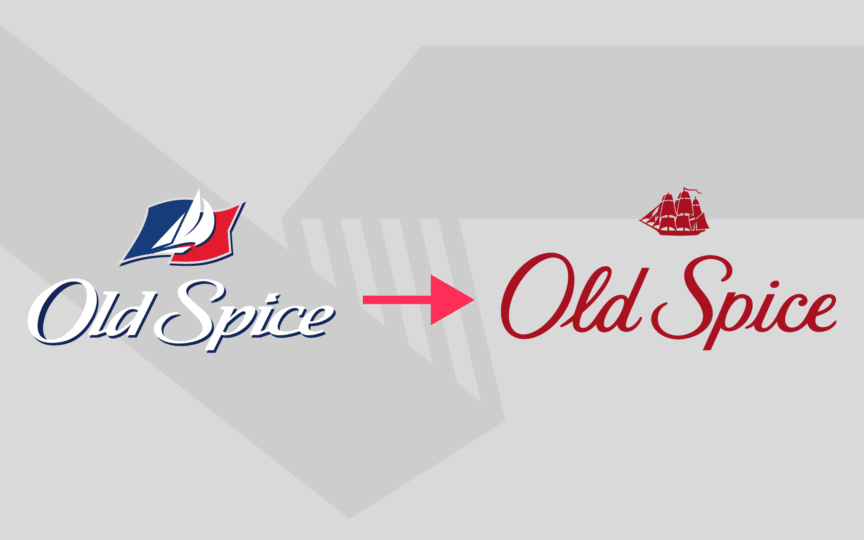
While the Old Spice name, elements of the logo, and even its brand colors stayed mostly the same, the positioning and messaging of the company changed.
The brand started to create humorous advertising campaigns, and adjusted its voice to match its new identity. It retained some of the “original” elements of its image but ensured it could resonate with an evolving audience of younger consumers.
Rebranding can do the same for your company. Even a partial rebrand can help you to better communicate who you are, what you stand for, and why you’re different from the other companies in your industry.
Greater relevance and differentiation
Probably one of the biggest benefits of a successful rebranding strategy, is that it gives you the ability to stay relevant, and unique in your target market. Old branding makes your company lookand sound old, which can harm how you’re perceived by customers.
People would have a hard time believing Apple is an innovator in the technology market if the company had retained its original logo from 1976.
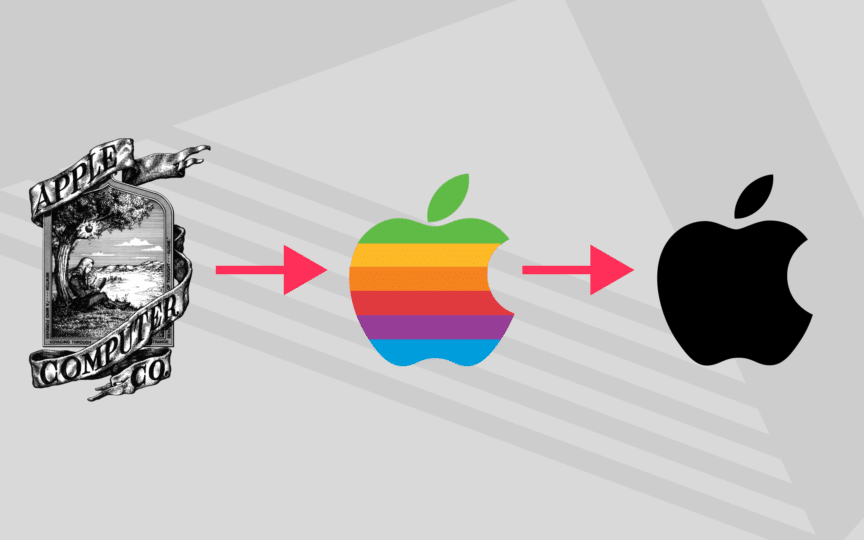
A well-executed rebrand shows your customers that your brand is up-to-date, resilient, and capable of shifting with the times. At the same time, it helps you to draw greater focus to what actually makes you stand out in your industry.
Over time, the things that make your brand special, such as your commitment to supporting loyal customers, your focus on market research, or your sustainable nature become more obvious. Simultaneously, other brands will emerge that offer similar products and solutions to you.
Rebranding can be a good way to clarify why you’re still the best option on the market for your target audience.
Is rebranding a good idea?
The drawbacks of rebranding
So, what are the downsides to rebranding? Unfortunately, there are quite a few. We’ve all seen plenty of examples of unsuccessful rebrands over the years from companies like Gap and Radio Shack.
The good news is that most of the time, these rebrands were unsuccessful because the company didn’t do enough market research, didn’t implement the right rebranding strategy, or decided to rebrand for the wrong reasons.
Here are the biggest drawbacks of rebranding to consider.
Audience alienation
As mentioned above, over time, you’ll build a relationship with your target audience based on your branding. People will form connections with your image, your tone of voice, and the way you operate. If you rebrand, the relationship you have with your audience can falter.
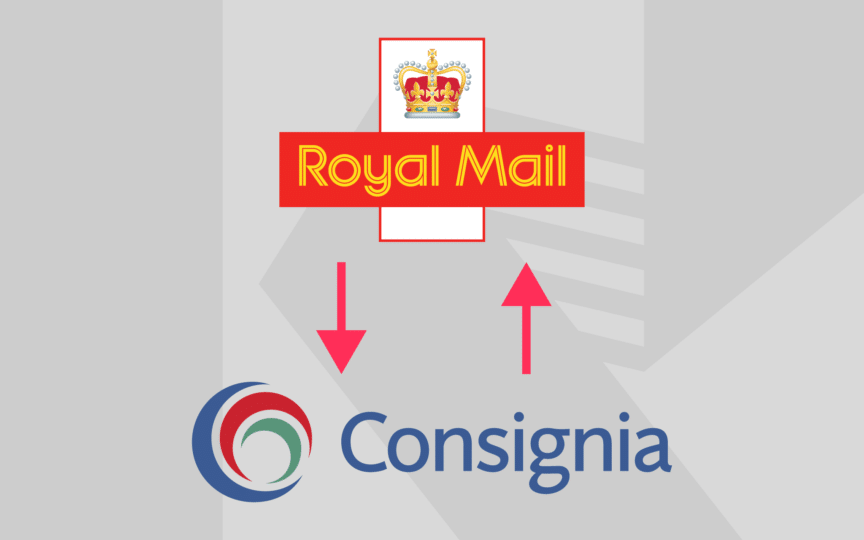
For example, when Royal Mail became “Consignia” it was trying to show how much the business had grown, venturing out of the world of just sending and receiving parcels.
After 500 years, the Royal Name identity had become an institution, and a symbol of pride among business consumers. The company had already earned brand loyalty with its existing image, and changing its identity just caused confusion and backlash.
Damage to brand reputation and confusion
A lot of business owners have made the decision to rebrand in the past, after facing too much bad publicity. Creating a new brand image, a new logo, and identity can seem like a good way to distance yourself from negative PR and backlash.
However, rebranding just to avoid disrepute is usually a bad idea. A new color palette and name won’t erase the issue that caused problems for your brand in the first place. That’s particularly true now that savvy customers can find out everything about a company’s history online.
The only way a rebrand can help to revive your reputation, is if it comes with a strategic plan to address the problems you had before. Introducing new values, policies, and brand promises can help to show customers that you’re committed to a genuine change.
Unfortunately, even if you’re not trying to escape a scandal, rebranding can also cause confusion that harms your brand’s reputation.
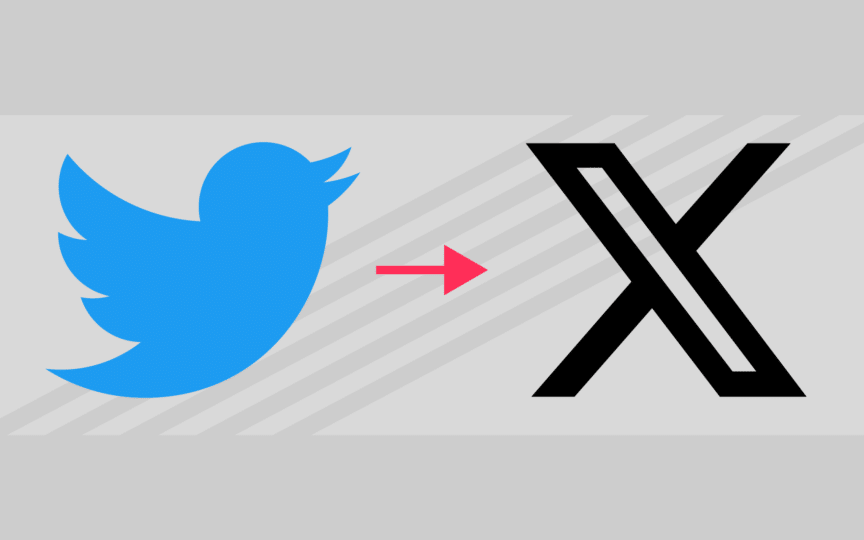
For instance, when Twitter became “X”, customers couldn’t see a genuine reason for the change. The rebrand raised lots of questions about how the new CEO, Elon Musk would run the business, and how the platform would change, causing Twitter to lose market share.
The large investment of time and money
Finally, one of the biggest drawbacks of rebranding is that it takes a lot of time, and can be very expensive. Successful business rebranding requires careful planning and strategy.
When we conduct a rebrand for a company, we do a lot of work before making any significant changes. We learn as much as we can about a company’s target audience, their vision, mission, goals, and competitors, to ensure we’re implementing the right changes.
All of this extra work adds up to a pretty significant project.
Additionally, it’s worth remembering that rebranding means conducting a complete brand overhaul. You may need to redesign multiple assets, from your name (which means purchasing a new domain name in some cases), to your logo, product packaging, email templates and more.
You may even need a brand new marketing strategy, a website redesign, and new messaging guidelines. The time and expense that goes into rebranding is one of the reasons why it’s so important to make sure you’re making the right decision in advance.
Drawing on the example of Royal Mail above, changing from Royal Mail to Consignia cost the company around £1.5 million, then it spent another £1 million reverting to its previous identity.
How do you ensure a rebranding project is successful?
Your brand is the most valuable asset your company has, and if it’s not delivering the right results, then a rebrand might be the best strategy for you. However, it’s important you approach this project the right way.
To ensure your rebranding project is a success, you need to ensure you’re doing it for the right reasons, build the right strategy, and access the help of the right experts.
A company with rebranding experience, like Fabrik, will help you implement best practices that protect your company from failures.
Beyond working with the right experts, it’s also worth following these tips:
- Do your research: Do your homework. Learn as much as you can about why your current brand identity isn’t working. Find out what sets you apart from competitors in your market, and learn about any new audiences or consumer groups you want to reach.
- Set specific goals: Determine exactly what you want to achieve with your rebrand. Are you trying to draw more attention to specific values, or a core mission? Is the reason for your rebrand worthwhile, or are you just wasting time and money?
- Ensure consistency: Make sure you can implement your new brand correctly, and cohesively. Work with a creative director to build brand guidelines, editorial guidelines, and templates for success.
- Don’t rush: Don’t attempt to rush through the process. Take the time to consider each stage in your rebranding project carefully. Think about what you want to retain from your existing brand, and what you need to overhaul.
- Communicate: Be open with your customers about your rebranding efforts. Let them know why you’re changing your business name, your logo, or anything else. Reassure them that the things they love about your company will stay the same.
Is rebranding a good idea for your business?
So, is rebranding a good idea? The simple answer is that it can be. If you need to strengthen connections with your existing audience, or reach new consumer groups, or your current brand doesn’t match your vision and values, rebranding makes sense.
Rebranding can also be an important part of a strategic growth journey, allowing you to expand into new locations, merge with other companies, and introduce new products.
However, rebranding is also an expensive and complex process, that’s fraught with potential challenges to overcome. The best way to define if rebranding is a good idea for your company, is to speak to the experts.
Reach out to Fabrik and we can give you a behind the scenes insight into how effective rebranding could be for your company, based on your goals. We can help you enhance your current brand identity with a refresh, or give you the tools you need to start fresh.
Don’t try to navigate the complex world of rebranding alone. Set yourself up for success with support from an experienced rebranding agency.
Fabrik: A branding agency for our times.

Clarity starts with a conversation.
Thanks—we’ll get back to you shortly.
Whether you're navigating a rebrand, merger, or simply need a clearer identity—we’re here to help. No hard sell, just honest advice from people who know the sector.
Let’s start with a simple question…
Prefer to email? Drop us a line.
Fabrik’s been helping organisations rethink and reshape their brands for over 25 years. We’ve guided companies through mergers, rebrands and new launches. Whatever stage you’re at, we’ll meet you there.
