






AI assistants as brand guardians inside your organisation
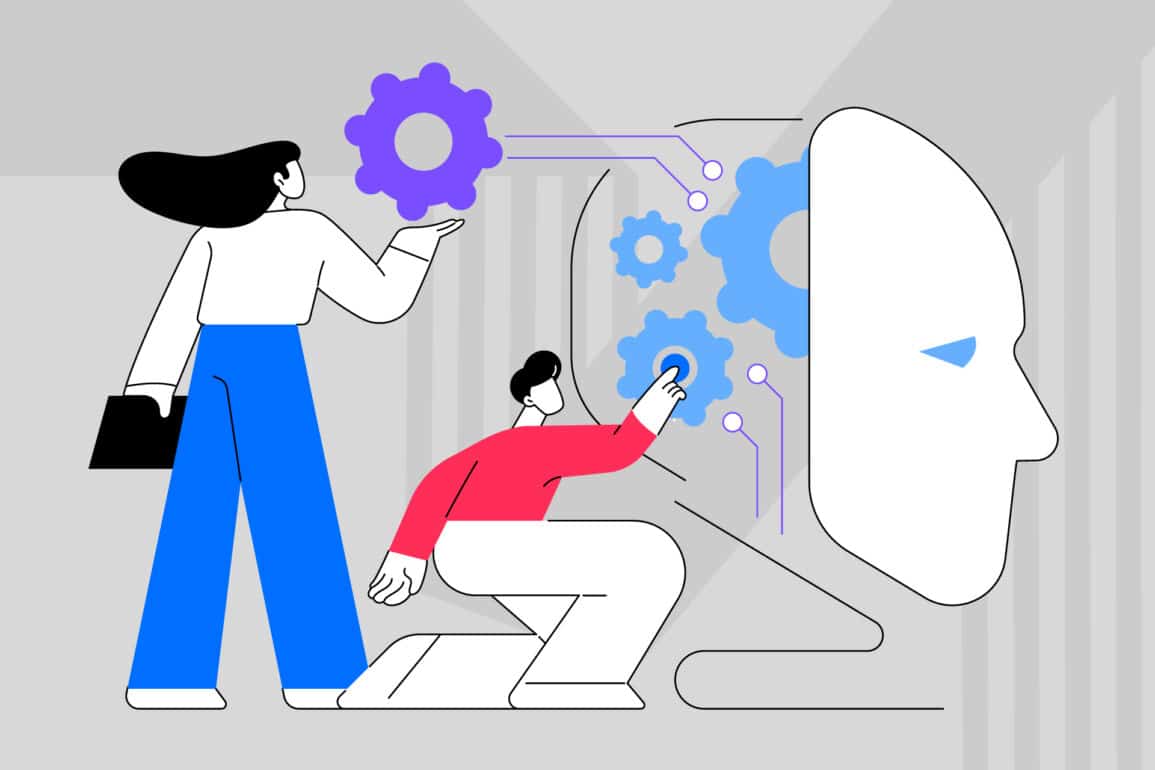
AI is already embedded in the tools your teams use every day. Without brand AI guardrails, email platforms, document editors and chatbots risk fragmenting your brand at scale.
Email platforms suggest replies. Document editors draft paragraphs. Chatbots answer customer queries. Whilst these assistants promise efficiency, they introduce a quiet risk: brand inconsistency at scale.
Most organisations haven’t yet considered how generative AI impacts brand coherence. Without clear constraints, AI tools produce language that drifts from your tone and standards. The result? Fragmented experiences and brand erosion.
The answer isn’t to ban AI. It’s to design brand AI guardrails: embedded checks that sit inside workflows and protect brand consistency without slowing teams down. This isn’t about policing creativity.
Instead, it’s about ensuring AI brand consistency across every channel, market and moment that matters. When configured correctly, AI assistants don’t replace brand judgement. They reinforce it.
As a result, they become operational guardians of internal brand alignment, helping senior leaders maintain coherence even as teams scale and decentralise.
Why AI creates new brand risk
AI adoption is accelerating faster than brand governance can keep pace. According to research from Forrester on AI governance frameworks, organisations are deploying generative tools without clear oversight. For brands, this creates three immediate risks:
- Tone drift across channels
- Inconsistent language and terminology
- Fragmented customer experiences
The problem isn’t that people deliberately ignore the brand. It’s that AI lacks judgement, context and boundaries. Without explicit brand AI guardrails, tools generate content that sounds professional but feels off.
For example, a sales email might be grammatically perfect yet entirely wrong in voice. Because AI operates at speed and scale, small deviations multiply quickly. This is where AI brand governance becomes essential, not as restriction, but as protection against invisible erosion.
Generative tools drift without context
AI generates plausible language, not brand-aware language, unless explicitly constrained. Without clear boundaries, tools optimise for fluency rather than brand fidelity.
Tools like ChatGPT, Copilot or Gemini don’t inherently understand your tone or forbidden phrases. An AI-drafted customer response might be clear and friendly, yet entirely wrong for your brand. Furthermore, it might use competitor terminology or make commitments your organisation cannot keep.
This “generative drift” is the gap between what AI produces and what your brand says. AI brand consistency requires constraints embedded into the tools themselves.
Shadow AI bypasses brand governance
When teams adopt AI tools independently, brand standards are quietly sidelined. Each platform operates with different assumptions about what “on-brand” means.
Marketing might use one platform. Sales another. Customer service a third.
This creates “shadow AI”, ungoverned tools adopted without central oversight. Enterprise AI guardrails solve this by establishing central standards that travel with teams.
“Guardrails aren’t barriers. They’re boundaries that protect brand coherence whilst enabling speed and autonomy.”
What brand AI guardrails actually mean
Guardrails are not policies or prohibitions. They are embedded, automated checks that sit inside workflows and reduce reliance on memory or training. Think of them as invisible scaffolding, structures that guide behaviour without requiring conscious effort.
Traditional brand guidelines are static. They exist in portals and PDFs that people must remember to consult.
Guardrails, by contrast, are active. They check content in real time and nudge teams back on course before errors reach customers.
Brand AI guardrails operate upstream, at the point of creation. This is the shift: from reactive policing to proactive checking.
The ISO/IEC 42001 framework for AI management systems emphasises “controls by design”, embedding governance into systems rather than treating it as an add-on.
What AI should check automatically
AI excels at pattern recognition, comparison and flagging deviation when rules are explicit. It identifies inconsistencies that human reviewers miss.
AI tone of voice checking is particularly powerful. By training models on approved examples, organisations can automate checks for formality, energy and warmth. AI can also validate adherence to verbal identity standards: the specific words and phrases that make your brand recognisable.
Other automated checks include:
- Template compliance (presentations and proposals follow approved structures)
- Terminology validation (flagging outdated names or inconsistent capitalisation)
- Citation accuracy (claims and statistics match approved messaging)
“AI should check what’s measurable. Humans should decide what matters.”
What AI must never decide alone
Judgement, meaning and trade-offs still belong to humans. AI can flag issues but cannot make strategic decisions about brand exceptions or contextual appropriateness.
The distinction matters: assistive AI helps humans make better decisions, whilst autonomous AI makes decisions independently. For brand work, the former is essential and the latter is dangerous.
For example, AI might identify that content lacks formal citations. But only a human can decide whether informal storytelling is appropriate for that specific audience. AI brand governance works when assistants surface insights and humans retain decision rights.
Moreover, Harvard Business Review’s research on AI and trust found that teams lose confidence in systems that operate as black boxes. The antidote is transparency: AI should show its reasoning and defer to humans on nuanced calls.
Designing governance without slowing teams down
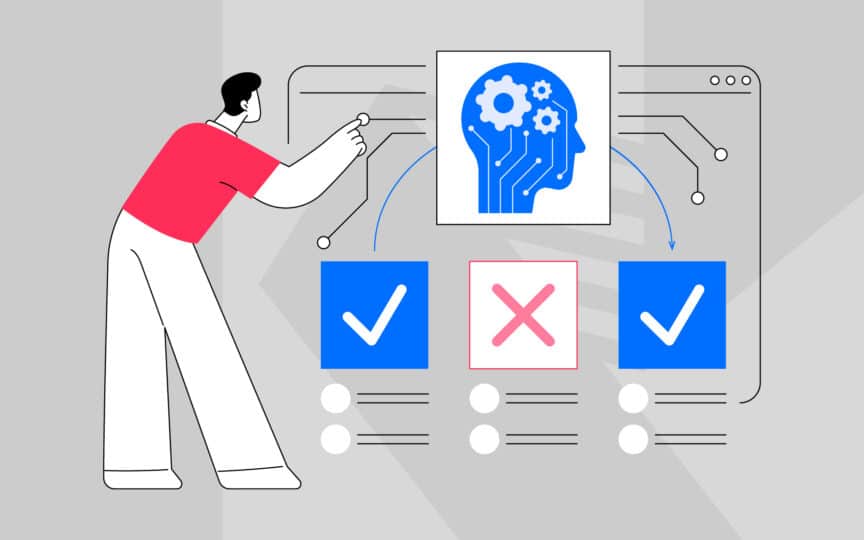
The right operating model prevents both chaos and bottlenecks. Weak governance creates brand drift. Heavy governance creates frustration and workarounds.
The goal is to design enterprise AI guardrails that protect the brand whilst accelerating work effectively. This requires clarity on three fronts:
- Ownership: who decides what
- Escalation: when issues require review
- Oversight: how you monitor without micromanaging
Get this wrong and AI becomes another approval layer. Get it right and it enables autonomous decision-making.
Research from Forrester on workforce AI strategy highlights that successful governance balances central control with local flexibility. Brand standards should be non-negotiable, but implementation must adapt to context.
However, brand AI guardrails should feel like support, not surveillance. When teams trust that guardrails protect them from risk, adoption follows naturally.
Ownership and decision rights
AI needs accountable humans behind it, especially for brand decisions. Without clear ownership, guardrails become orphaned technologies.
Start by defining a RACI model for AI-enabled brand work. Who is responsible for configuring guardrails? Who is accountable?
Typically:
- Brand teams own the rules (what gets checked)
- Technology teams own the infrastructure (how checks are automated)
- Business units own adoption
Likewise, decision rights must be explicit. When AI flags an issue, who decides whether to override or escalate?
“Clear ownership prevents brand guardrails from becoming orphaned technologies that nobody maintains or trusts.”
Central rules, local execution
Guardrails should travel with teams, not sit in head office. Standards must be embedded into tools teams use daily.
Define central, non-negotiable standards and embed them into platforms like Microsoft 365 or Salesforce. Digital brand systems often include brand kits and tone guides that integrate directly.
This “federated” model ensures AI brand consistency without centralising execution. Consequently, templates play a critical role. By creating templates that comply with brand standards, organisations reduce manual checking.
Activating AI brand guardians in daily work
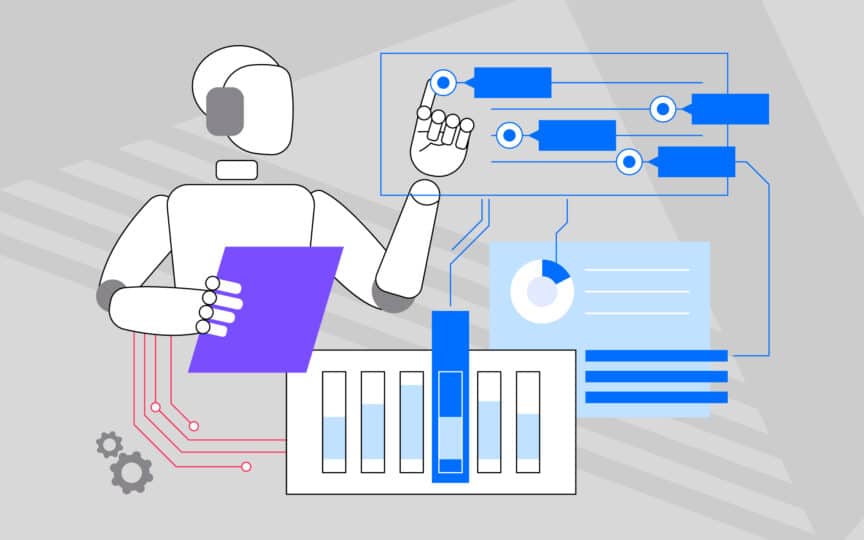
AI only protects the brand if people trust and use it. Activation isn’t about enforcement. It’s about adoption, ensuring teams understand how guardrails help them work better, faster and with less risk.
This requires three shifts: embedding checks into existing workflows (so compliance is invisible), demonstrating value quickly (so teams experience benefits before frustrations) and measuring impact without surveillance culture. Done well, activation feels enabling.
The most successful activations start small. Rather than deploying guardrails organisation-wide, pilot with one team or high-stakes use case. This allows you to prove value, refine and build confidence before scaling.
Prove value. Refine based on feedback. Then scale with confidence.
Brand AI guardrails work best when perceived as tools that help teams succeed, not technologies that police work. This means communicating benefits and celebrating when guardrails prevent errors or accelerate approvals.
Embedding guardrails into workflows
Brand protection works best when it’s invisible and frictionless. Teams shouldn’t need to remember to check their work. The checking should happen automatically.
For example, if your organisation uses Microsoft Teams, guardrails can review messages before they’re sent to large groups. If your CRM generates automated customer emails, guardrails can validate content before hitting send.
This “just-in-time checking” ensures AI tone of voice checking doesn’t slow teams down. In practice, guardrails should sit inside Slack, Teams and customer service tools, wherever brand decisions happen. This requires thoughtful internal brand alignment between brand, technology and operations teams.
“The best guardrails are the ones teams never consciously think about; they just work.”
Measuring impact without micromanagement
Simple indicators reveal drift early without surveillance culture. Focus on aggregate patterns rather than tracking individual outputs.
Measure aggregate patterns: frequency of flagged deviations, types of common errors and trends over time. For instance, if AI consistently flags informal language in customer service, that signals a training need. If guardrails frequently catch outdated terminology, messaging libraries need updating.
These insights allow organisations to improve brand governance proactively. Therefore, when senior leaders can see that brand AI guardrails are protecting the brand consistently, they can delegate more and trust teams to work autonomously.
AI should reinforce the brand, not redefine it
AI assistants will never replace the judgement, instinct and strategic intent that define great brands. However, when organisations design clear brand AI guardrails, these tools become quiet allies, checking tone, validating terminology and flagging drift before it fragments customer experience.
The organisations that succeed won’t be those that resist AI, nor those that embrace it uncritically. Rather, they’ll be the ones that configure it carefully, govern it transparently and activate it as an extension of brand leadership. Done well, AI-enabled teams move faster, decide more confidently and deliver consistent experiences at scale.
Need help designing brand guardrails for AI-enabled teams? Contact Fabrik and let’s start a conversation…

Clarity starts with a conversation.
Thanks—we’ll get back to you shortly.
Whether you're navigating a rebrand, merger, or simply need a clearer identity—we’re here to help. No hard sell, just honest advice from people who know the sector.
Let’s start with a simple question…
Prefer to email? Drop us a line.
Fabrik’s been helping organisations rethink and reshape their brands for over 25 years. We’ve guided companies through mergers, rebrands and new launches. Whatever stage you’re at, we’ll meet you there.
