







Brand positioning tools: ladders, maps and triangles explained

Brand positioning tools are essential for strategic clarity, yet many marketers find themselves overwhelmed by choice. Should you use a ladder, map, or triangle?
Each framework offers unique advantages, but understanding when and how to deploy them makes all the difference.
The right positioning tool can transform abstract strategy into actionable insight, helping brands cut through the noise and establish meaningful differentiation in crowded markets.
Why brand positioning tools matter
Without clear frameworks, teams often rely on intuition, which can lead to fragmented messaging, misaligned campaigns, and internal confusion. We’ve seen ambitious brands stall—not because they lacked ideas, but because they lacked structure.
Positioning tools add strategic rigour, helping brands translate intent into action. From high-growth startups to legacy institutions, a clear brand strategy tool can make the difference between noise and clarity.
Strategic brand positioning requires more than intuition—it demands structure. Positioning frameworks bring rigour to what might otherwise remain vague or inconsistent across teams.
They create systematic approaches for understanding how your brand relates to competitors, connects with audiences, and delivers distinctive value.
These brand strategy tools serve multiple purposes: they clarify thinking, align internal teams, and provide visual brand strategy models for complex strategic concepts.
Whether you’re launching a new brand, repositioning an existing one, or simply seeking greater strategic alignment, the right marketing frameworks for positioning can illuminate opportunities and guide decision-making.
Different tools excel in different situations. Some focus on emotional progression, others on competitive brand positioning, and still others on strategic sweet spots. Understanding these distinctions helps you select the most appropriate framework for your specific challenge.
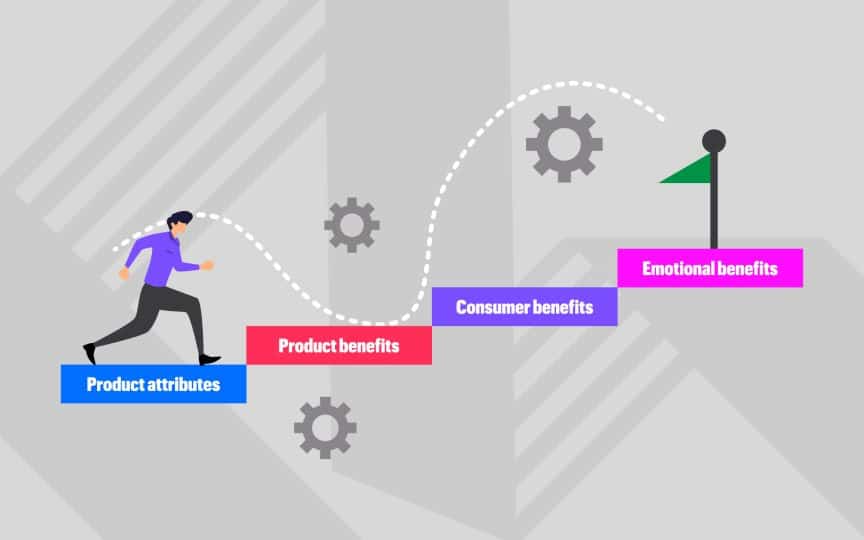
Brand ladder visual – Horizontal or vertical step diagram showing movement from product features to emotional benefits.
What is a brand positioning ladder?
A brand positioning ladder maps the journey from functional attributes to emotional benefits and aspirational values.
This vertical framework shows how product features translate into deeper human motivations, creating a brand hierarchy vs positioning approach that guides messaging and communication strategy.
How the ladder works
Another way to think about the ladder is as a brand narrative scaffold. It helps define not just what you say, but how you evolve your story over time.
In brand workshops, we often see clients jump straight to emotional messaging without defining the functional base. The ladder prevents these leaps, ensuring every layer builds meaningfully on the last.
The ladder typically moves through three levels:
- Functional benefits (what the product does).
- Emotional benefits (how it makes people feel).
- Aspirational values (what it represents about the user’s identity).
Take Volvo, for example: safety features (functional) provide security (emotional) and deliver peace of mind (aspirational).
This progression helps brands understand how to communicate at different levels, from rational product advantages to emotional connections.
The ladder ensures messaging resonates beyond features, tapping into deeper psychological drivers that influence purchasing decisions.
When to use a ladder
Brand positioning ladders work best when developing messaging hierarchies, planning integrated campaigns, or clarifying internal understanding of brand value.
They’re particularly useful for established brands seeking to elevate their communication from functional to emotional territory.
The ladder excels in situations where you need to bridge product capabilities with human insights. It’s ideal for training teams, briefing agencies, or ensuring consistent messaging across multiple touchpoints.
Pros and limitations
The ladder’s strength lies in its simplicity and intuitive progression. It’s easy to understand and apply, making it accessible to diverse team members.
However, it doesn’t show competitive context or help identify market gaps—limiting its strategic scope.
What is a brand positioning map?
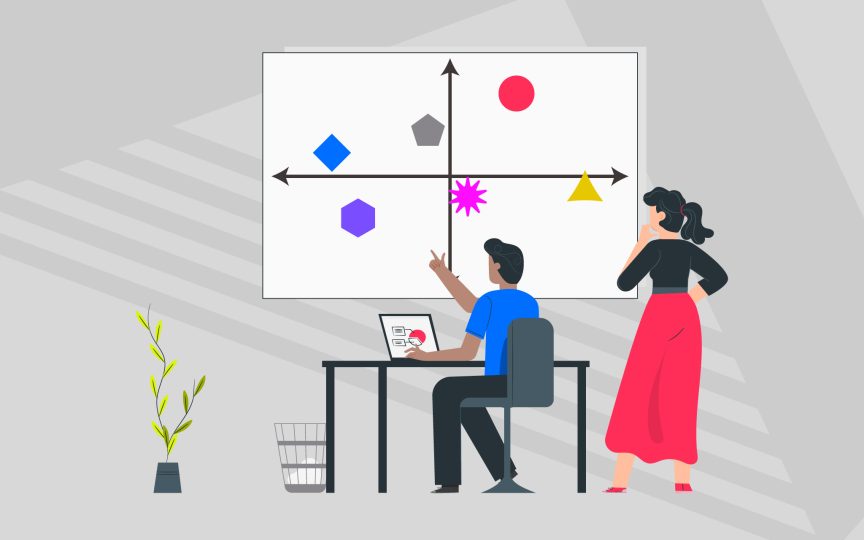
A brand positioning map visualises how brands relate to each other within a competitive landscape.
Usually structured as a 2×2 grid, it plots brands along two key dimensions—such as price versus quality, or traditional versus innovative—revealing positioning opportunities and competitive dynamics.
How the map works
Some maps also integrate audience perception studies, helping brands visualise not just where they *want* to be, but where they’re *actually* seen.
We’ve used this model to help reposition brands after mergers—revealing overlapping propositions and creating a new, singular narrative.
The map uses intersecting axes to represent important brand attributes or consumer perceptions.
For instance, you might plot automotive brands along axes of “luxury versus economy” and “performance versus efficiency.”
This creates four quadrants, each representing a distinct positioning territory.
Brands cluster in different areas based on consumer perception or strategic intent. The map reveals whitespace—areas where no brands currently compete—and shows how closely brands compete for similar positioning territory.
When to use a map
Brand positioning maps excel when you need to understand competitive dynamics, identify market opportunities, or clarify your brand’s distinctive space.
They’re particularly valuable during brand audits, competitive analysis, or strategic planning sessions.
Use maps when stakeholders need visual clarity about where your brand sits relative to competitors. They’re also helpful for identifying repositioning opportunities or understanding how new products might fit within existing market structures.
Pros and limitations
Maps provide excellent visualisation and make complex competitive relationships immediately clear. They’re powerful tools for identifying differentiation opportunities and explaining positioning strategy to stakeholders.
However, they can oversimplify complex brand meanings and may not capture the full nuance of brand positioning.
What is a brand positioning triangle?
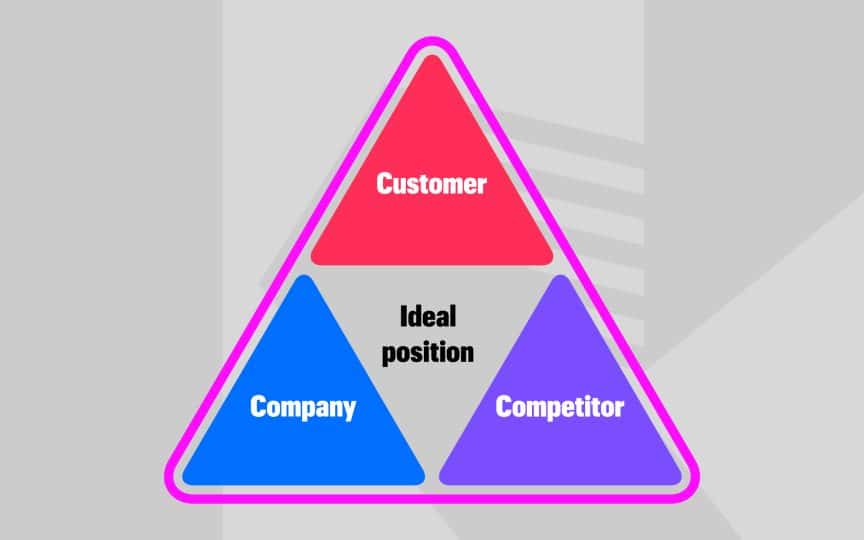
The brand positioning triangle represents the intersection of three critical elements:
- Company strengths.
- Customer needs
- Competitive gaps
This framework helps identify strategic positioning opportunities by finding the sweet spot where these three factors align.
How the triangle works
Unlike other frameworks, the triangle helps mediate cross-functional tensions—aligning sales, marketing, product and leadership around a shared direction.
It pushes teams to ask harder questions:
- Is this positioning true internally?
- Is it meaningful externally?
- Is it different enough to matter?
Each corner of the triangle represents a different perspective:
- What your company does well.
- What customers truly need.
- Where competitors fall short.
The centre of the triangle—where all three elements converge—represents your ideal positioning territory.
Various adaptations exist, including Ogilvy’s brand triangle, which focuses on what’s true, relevant, and distinctive. The triangle forces consideration of multiple stakeholder perspectives, ensuring positioning is both authentic and strategically sound.
When to use a triangle
Brand positioning triangles work best for comprehensive strategic reviews, new brand development, or complex repositioning challenges.
They’re ideal when you need to balance multiple considerations and find positioning that’s both authentic and differentiated.
Use triangles when working with senior stakeholders who need to understand strategic rationale. They’re particularly valuable in collaborative workshops where different perspectives need integration into coherent positioning strategy.
Pros and limitations
The triangle’s strength lies in its strategic thoroughness and multi-perspective approach. It ensures positioning considers company capabilities, market needs, and competitive dynamics simultaneously.
However, it’s more abstract than other tools and may require facilitation to use effectively.
Comparison: ladder vs map vs triangle
At Fabrik, we rarely stick to just one model. In practice, we often use a triangle to define the brand’s core idea, a map to identify whitespace, and a ladder to express that idea in human terms.
These aren’t competing tools—they’re complementary frameworks that, when used together, deliver both strategic clarity and creative traction.
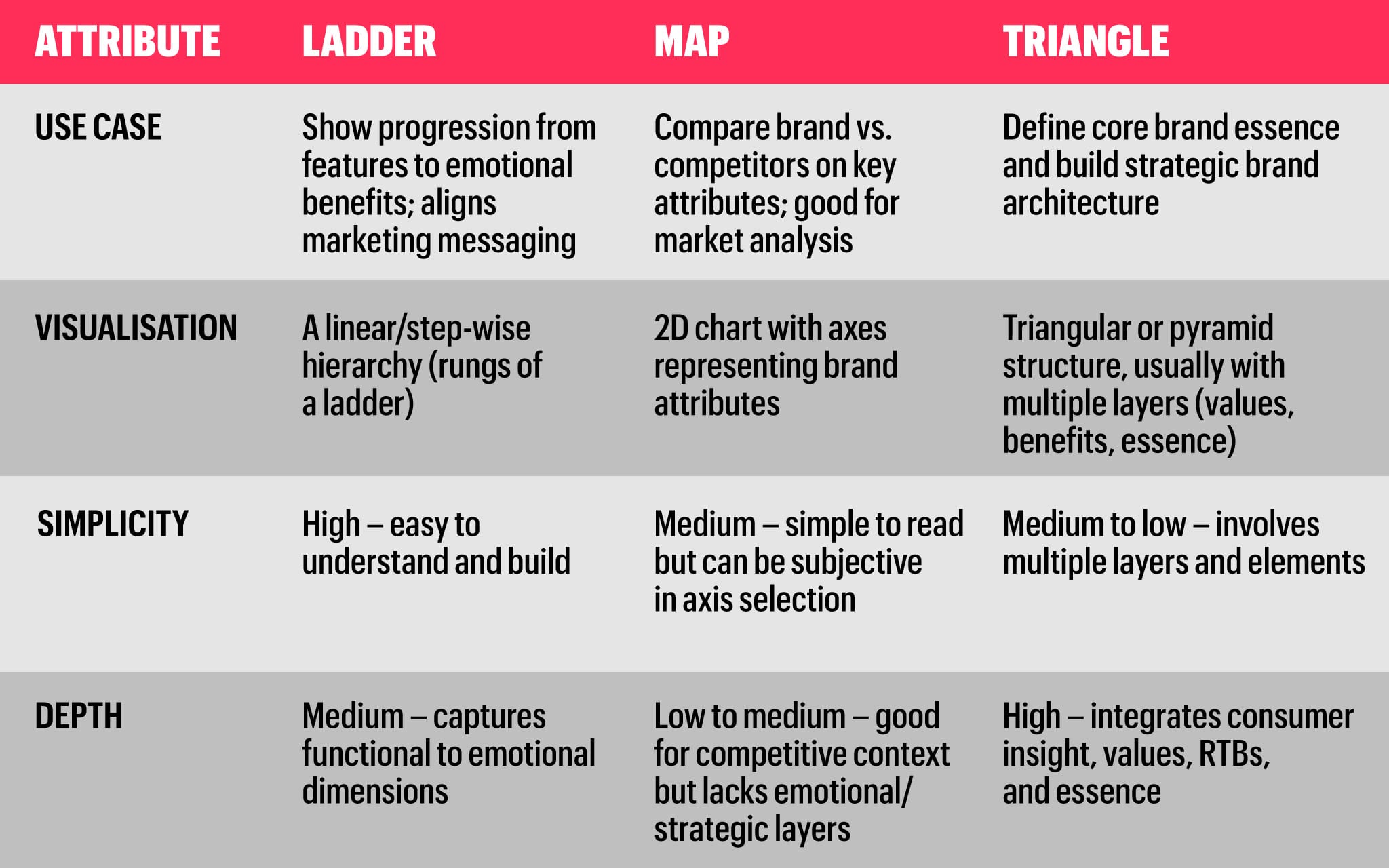
Each positioning framework offers distinct advantages. The ladder excels at messaging development, the map at competitive clarity, and the triangle at strategic comprehensiveness.
Your choice depends on specific objectives, team capabilities, and strategic context. These positioning models explained demonstrate how different approaches serve different strategic needs.

Which brand positioning tool is right for you?
If you’re unsure where to start, consider this:
—Are you struggling with internal alignment or external differentiation?
—Do you need clarity for a new launch or refinement for an existing brand?
Your answers will determine the best tool—or combination of tools. Our brand strategy services often begin with this very diagnostic conversation.
Selecting the right positioning framework depends on your specific situation, team dynamics, and strategic objectives.
Consider these factors when making your choice…
For messaging and communication focus: Choose the brand positioning ladder. It’s perfect for teams developing campaign strategies, training programmes, or internal alignment around value proposition communication.
For competitive analysis and market understanding: Select the positioning map. It’s ideal when you need to understand market dynamics, identify differentiation opportunities, or explain competitive positioning to stakeholders.
For comprehensive strategic development: Use the positioning triangle. It’s best suited for complex strategic challenges, new brand development, or situations requiring deep collaborative thinking.
Consider your team’s strategic sophistication, available time for development, and intended outcomes.
Sometimes combining tools provides the most comprehensive insight—using a triangle for strategic foundation, then a ladder for messaging development, and a map for competitive context.

Turning tools into transformation
No single positioning tool works for every situation. The best brand positioning tools are those that bring strategic clarity to your specific challenge, align your team around shared understanding, and provide actionable insight for decision-making.
Whether you choose a ladder, map, or triangle, remember that tools are only as effective as the thinking they enable. The goal isn’t perfect frameworks—it’s turning strategy into substance that drives meaningful brand differentiation.
When positioning stakes are high, consider partnering with specialists who can guide tool selection and facilitate strategic development. The right thinking partner transforms good positioning tools into exceptional brand strategy.

Clarity starts with a conversation.
Thanks—we’ll get back to you shortly.
Whether you're navigating a rebrand, merger, or simply need a clearer identity—we’re here to help. No hard sell, just honest advice from people who know the sector.
Let’s start with a simple question…
Prefer to email? Drop us a line.
Fabrik’s been helping organisations rethink and reshape their brands for over 25 years. We’ve guided companies through mergers, rebrands and new launches. Whatever stage you’re at, we’ll meet you there.
