






The psychology of merger branding and how to bring people with you

When two companies merge, the human cost of change often gets buried beneath financial projections and operational logistics. Yet behind every failed merger lies a workforce struggling with uncertainty, identity loss, and cultural displacement. The psychology of merger branding isn’t about choosing colours or fonts—it’s about understanding the emotional journey of change your people experience during organisational transformation.
Traditional merger branding approaches fail because they treat people as passive recipients of change rather than active participants in transformation. While executives focus on synergies and market positioning, employees are grappling with fundamental questions about their professional identity and place in the new organisation.
Successfully navigating merger branding requires understanding that your workforce’s psychological journey through change will ultimately determine whether your new brand becomes a source of unity or division.
Why merger branding is an emotional exercise
Most leaders approach merger branding as a visual problem: which logo survives, how to combine two identities, whether to rebrand entirely.
This misses the deeper psychological reality that merger branding is fundamentally about human emotion before it’s about visual identity.
During mergers, employees experience genuine grief for their old workplace identity. Simultaneously, they face uncertainty about their role, their team, their future. Meanwhile, fear of change mingles with anxiety about job security.
In this emotional landscape, brand becomes far more than marketing collateral—it becomes a psychological anchor that offers clarity, reassurance, and belonging. Without addressing these fundamental human needs, even the most strategic merger branding initiatives risk becoming empty exercises that alienate rather than unite.
The most successful merger branding projects recognise this truth: emotional alignment must come before visual alignment. When employees feel heard, valued, and included in the brand evolution, they become champions of change rather than resisters.
Crucially, this is where effective M&A change management begins—with understanding the psychological impact of mergers on your workforce. When organisations ignore this human dimension, even the most sophisticated visual identity will fail to unite a fractured workforce.
If emotion is the undercurrent, culture is the terrain that shapes how merger branding unfolds.

Merging cultures, not just companies
Cultural integration represents the make-or-break factor in M&A success, yet it’s often the last consideration in merger branding strategies. Understanding how to navigate cultural differences and build shared identity determines whether your merger brand becomes a unifying force or a source of division.
Unfortunately, this culture clash in mergers can derail even the most promising business combinations.
Understanding culture clash
Research consistently shows that cultural misalignment causes more merger failures than financial miscalculations or strategic missteps. Culture clash manifests in seemingly small but significant ways: different meeting styles, conflicting approaches to hierarchy, competing values around work-life balance, or opposing attitudes toward risk-taking.
These differences might seem trivial on the surface, but they reflect deeper organisational DNA that shapes how employees understand their work environment and professional identity.
These cultural tensions create fertile ground for resistance to merger branding efforts.
When employees from Company A see their collaborative, informal culture being replaced by Company B’s structured, process-driven approach, they don’t just resist new brand guidelines—they resist the entire premise of change.
Legacy identities become tribal markers, with teams retreating into “us versus them” dynamics that undermine cultural integration. This is why employee engagement during mergers requires careful attention to managing change after a merger.
Mapping shared values and rituals
The antidote to culture clash lies in discovering common ground and building something genuinely shared rather than imposed. This requires moving beyond surface-level cultural observations to uncover the deeper values, behaviours, and rituals that could form the foundation of your merger brand.
Brand workshops and cultural audits help surface these insights by giving employees space to articulate what they value most about their current culture and what they hope to preserve in the new organisation.
Through facilitated conversations, patterns emerge: both companies might share a commitment to customer service excellence, innovation, or community impact, even if they express these values differently.
This process supports aligning teams post-merger around shared purpose rather than competing legacies.
Using language, behaviours, and symbols to build cohesion requires careful curation of these shared elements. The most effective merger branding doesn’t erase cultural differences—it creates an umbrella identity that honours the best of both worlds while pointing toward a shared future.
This delicate balance between preservation and transformation determines whether merger branding feels authentic or forced to employees experiencing the change.

Internal communications is your first brand activation
When organisations treat internal communications as information distribution rather than brand transformation, they miss the most critical opportunity in merger branding.
Your internal comms strategy becomes the primary vehicle for helping employees understand not just what’s changing, but who they’re becoming. This merger communications strategy must address both practical concerns and emotional needs.
Internal brand activation requires transparency, repetition, and reassurance delivered with strategic consistency. Employees need to hear the same core messages about the merger’s purpose, their role in the future organisation, and the values that will guide decision-making.
This isn’t about overwhelming people with information—it’s about creating a narrative thread that helps them make sense of change. Effective internal comms during this period focus on internal branding in M&A contexts, where brand becomes a tool for cultural cohesion.
The principle that guides this approach is simple: brand is what employees believe, not just what customers see. When your workforce understands and embraces the merger brand story, they become authentic ambassadors who carry that story into every customer interaction, supplier relationship, and market opportunity.
Tone, language and narrative consistency
Even the most compelling brand messages fall flat when delivered inconsistently across different channels, teams, or time periods. Establishing a clear, hopeful, and unifying tone becomes essential for maintaining momentum through the inevitable challenges of cultural integration.
Practical steps for achieving consistency include developing key messaging frameworks that all leaders can adapt to their teams, creating internal storytelling opportunities that reinforce the merger brand narrative, and establishing feedback loops that help refine messaging based on employee response.
The tone should acknowledge the difficulty of change while maintaining optimism about the shared future you’re building together.
Reinforcing key ideas through internal storytelling means celebrating early wins, sharing employee perspectives on the merger journey, and consistently connecting daily work to the bigger brand vision.
This repetition helps embed the merger brand into the cultural fabric of the new organisation. Strong internal comms become the foundation for sustainable change management throughout the integration process.
Of course, even the best message won’t land if the team delivering it isn’t aligned.

Leadership alignment (one voice, many listeners)
During organisational change, employees naturally look to leadership for stability and direction. When leaders deliver mixed messages about the merger brand—whether through inconsistent language, conflicting priorities, or misaligned behaviours—they erode the trust that’s essential for successful cultural integration.
Leadership alignment in merger branding goes beyond ensuring everyone uses the same presentation template. It requires that senior leaders genuinely understand and embody the new brand story, speak about it consistently across all forums, and model the behaviours that bring the brand to life.
This means investing in brand training for leaders that covers not just talking points and messaging, but the underlying values and cultural shifts that the merger brand represents.
Leaders need to understand how their communication style, decision-making process, and team interactions either reinforce or undermine the merger brand at every touchpoint.
Furthermore, they must be prepared to address employee concerns authentically, acknowledging challenges while maintaining confidence in the merger’s strategic direction.
When leadership alignment is strong, employees sense authenticity and consistency that builds confidence in the merger direction. When it’s weak, the disconnect between branded messaging and lived experience creates cynicism that’s difficult to overcome.

Building belonging through brand identity
When everything familiar is shifting, identity becomes the psychological anchor that helps employees navigate change. Merger branding that successfully builds belonging creates visual and verbal identity systems that signal inclusion, renewal, and shared purpose rather than dominance or erasure.
The challenge lies in developing brand identity that feels genuinely inclusive rather than politically correct. Employees have keen instincts for authenticity—they can sense when visual identity choices reflect genuine cultural integration versus surface-level compromise.
Building belonging requires identity systems that honour the heritage of both organisations while creating something distinctly new. This process demands extensive consultation with diverse employee groups to ensure the final brand identity resonates across different cultural perspectives and professional backgrounds.
This process involves careful consideration of how every brand element—from colour palettes to messaging frameworks—might be interpreted by different employee groups.
The goal isn’t to avoid all controversy, but to ensure that brand identity choices support rather than undermine the cultural integration work happening throughout the organisation.
Visuals that reassure, language that includes
The combination of visual and verbal identity creates the emotional climate that employees experience during merger branding. Visual elements need to feel reassuring rather than jarring, while language choices should actively include rather than inadvertently exclude different employee groups.
Avoiding the dominance of one legacy brand means making conscious choices about which visual elements to preserve, adapt, or retire from each organisation’s identity.
This might involve creating entirely new visual systems that borrow thoughtfully from both heritage brands, or evolving one brand identity to incorporate meaningful elements from the other.
Creating a tone of optimism and shared ambition requires language that acknowledges the challenges of change while maintaining focus on the opportunities ahead.
This means avoiding corporate speak that feels disconnected from employee experience, and instead using conversational, human language that reflects how people communicate about work that matters to them.
The most successful merger branding initiatives use language that employees would naturally adopt in their own conversations about the company’s future.
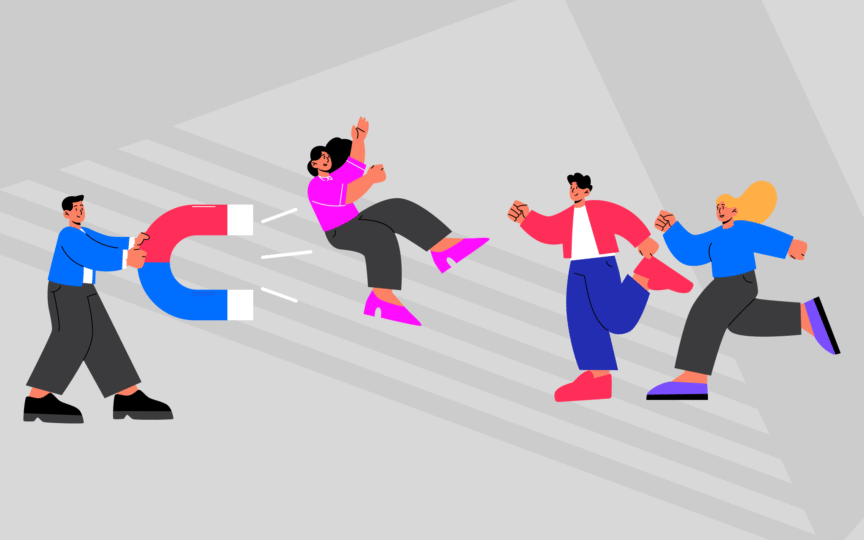
How we bring people with us
At Fabrik, we’ve learned that successful merger branding requires treating emotional and cultural alignment as seriously as visual identity development. Our approach centres on understanding the human psychology of change before addressing the practical challenges of brand implementation.
Through our work with clients like MAXA and Amplius, we’ve refined a process that combines cultural workshops, leadership alignment sessions, and collaborative naming and narrative development. This approach ensures that merger branding becomes a unifying force rather than another source of organisational stress.
Our workshop process helps teams surface shared values and navigate cultural differences constructively. Leadership alignment ensures consistent messaging and authentic brand advocacy from senior teams.
Naming and narrative development creates the language and story frameworks that help employees understand their place in the new organisation and feel genuinely excited about the future you’re building together.
The result is merger branding that brings people with you rather than leaving them behind. When employees feel seen, heard, and included in brand evolution, they become champions of change who carry the merger brand story into every aspect of their work.
Ready to approach merger branding with the psychology of change in mind? Explore our merger branding services to learn how we help organisations navigate the human side of brand transformation.
Behind every successful merger brand is a workforce that feels seen, heard and aligned. Get the psychology right—and the business will follow.
Clarity starts with a conversation.
Thanks—we’ll get back to you shortly.
Whether you're navigating a rebrand, merger, or simply need a clearer identity—we’re here to help. No hard sell, just honest advice from people who know the sector.
Let’s start with a simple question…
Prefer to email? Drop us a line.
Fabrik’s been helping organisations rethink and reshape their brands for over 25 years. We’ve guided companies through mergers, rebrands and new launches. Whatever stage you’re at, we’ll meet you there.
