



Post-merger brand integration: turn chaos into strategic momentum
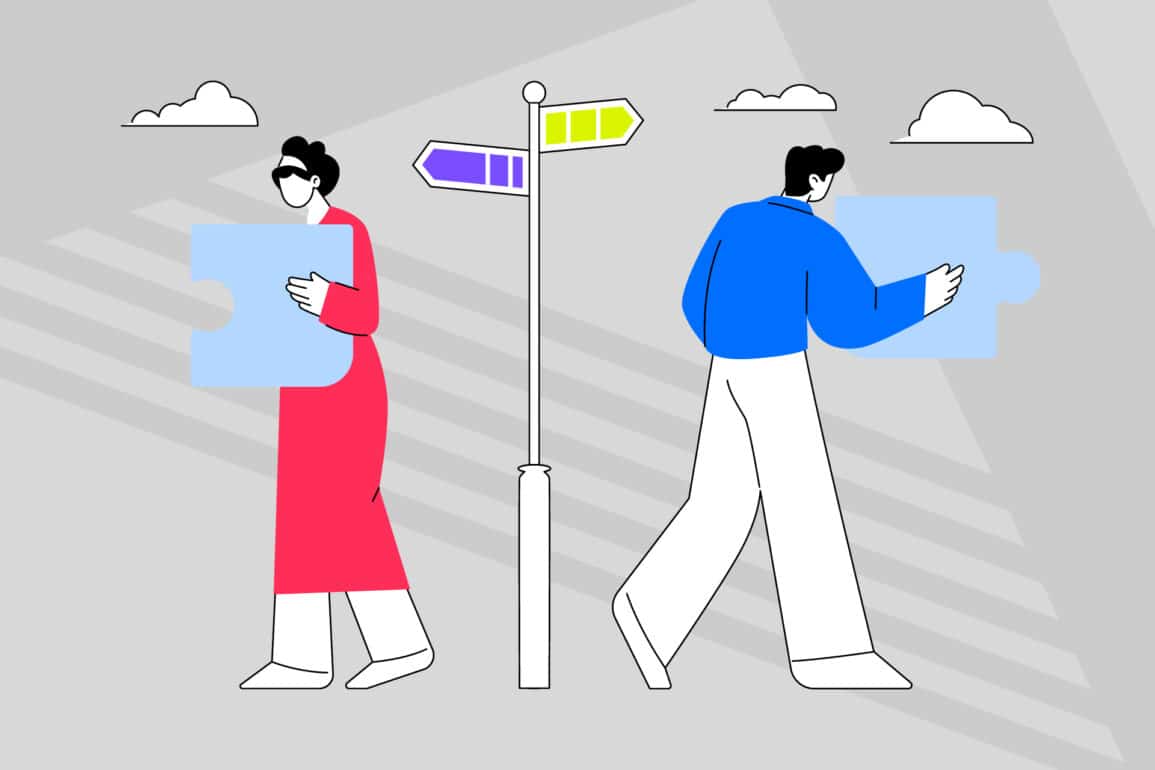
Mergers move fast. Decisions get made in boardrooms, integration timelines get compressed, and brand alignment (the thing that holds it all together) gets relegated to “sort out later”. Post-merger brand integration is the first casualty of speed.
The result? Two organisations operating under one roof with competing behaviours, conflicting messages and zero shared direction.
Post-merger brand integration isn’t a nice-to-have. It’s the connective tissue that turns structural change into strategic momentum.
When done deliberately, post-merger brand alignment restores clarity, creates internal confidence and reduces friction across teams. It shifts the narrative from “we’ve been acquired” to “we’re building something better together”.
Without deliberate alignment, organisations waste months resolving the same conflicts: which systems to keep, whose language to use, which customer promises to honour. Brand alignment cuts through ambiguity and creates forward momentum.
This article maps out what to align, in what order, and why, with a practical lens on the decisions that matter most in brand integration strategy. For a broader view on building cohesion across your organisation, explore our guide to internal brand alignment.
Why brands fracture after mergers
The story of post-merger brand misalignment is depressingly predictable. Two organisations come together with good intentions, tight timelines and a PowerPoint deck full of opportunity.
Then reality hits. Legacy brands pull in different directions.
Leadership teams bring different assumptions about what “the brand” even means. Customer-facing teams invent their own compromises because no one’s told them what to say.
The result is fragmentation, not because people are difficult, but because brand integration strategy was never given the space or structure it needed. Brand ambiguity creates tangible operational pain: inconsistent customer promises, confused comms and duplicated design assets.
According to Deloitte’s M&A research, cultural alignment after merger is one of the top factors determining whether deals deliver value. M&A brand strategy addresses this by treating brand as an integration priority.
Speed creates post-merger misalignment
Integration timelines often outpace thoughtful brand decisions, forcing teams to invent solutions without clear strategic direction. The pressure to deliver quick wins creates fragmentation rather than cohesion.
When finance systems need integrating by month three and contracts need renewing by quarter two, brand strategy gets bumped down. Without clear direction, people improvise.
Marketing creates two versions of the same campaign. Sales teams pitch different value propositions depending on which legacy organisation they came from.
Effective post-merger brand integration requires deliberate pacing, not just rapid execution.
Legacy brands pull in different directions
Each legacy organisation arrives with established brand identities, customer relationships and cultural assumptions that actively resist alignment. Without deliberate integration, these competing forces fragment the combined entity.
Brand isn’t just a logo. It’s a shorthand for “how we do things here”.
One organisation might have built its reputation on being the challenger. The other might pride itself on stability.
Post-merger, those identities don’t dissolve. They show up in hiring decisions and how people talk about competitors.
Successful brand alignment after a merger means knowing when to preserve legacy brand equity and when to let it go. Without post-merger brand integration, you end up with two cultures cosplaying as one.

What to align first in post-merger brand integration
Post-merger brand integration isn’t about doing everything at once. It’s about sequencing decisions so each layer builds on the last.
Get the order wrong and you’ll debate logo lockups whilst your teams don’t know what business they’re in. The principle: align strategy before expression.
Clarify behaviours before guidelines. Focus on foundational choices that unlock downstream decisions.
This isn’t about moving slowly. It’s about moving deliberately, building an integration roadmap that creates internal alignment and external clarity.
Start with the high-stakes decisions that shape perception and unlock momentum: strategic direction, cultural behaviours and governance frameworks. Only then cascade into brand architecture, visual systems and operational activation.
Premature focus on aesthetics creates the illusion of progress whilst fundamental misalignment festers. Prioritisation determines whether integration accelerates or stalls.
Strategy before expression
Visual identity and messaging decisions are premature without strategic clarity on what the combined brand exists to achieve, how it competes and what customer promise it makes. Strategy unlocks design.
You can’t design a brand system if you don’t know what the brand needs to do. Yet post-merger brand integration projects often start with aesthetics.
It feels tangible. But it’s decoration without foundation.
Strategy comes first. What’s the organising purpose?
What customer promise are you making? How do you want to be perceived?
These are governance decisions that inform everything from product roadmaps to recruitment. Once strategy is clear, architecture and visual identity follow quickly.
Behaviours before guidelines
People watch what leaders do, not what guidelines prescribe, making observable behaviours the primary brand signal in post-merger contexts. Documents don’t create alignment, actions do.
Brand guidelines are helpful, eventually. But they’re useless if leadership behaviours contradict them.
Post-merger brand integration begins with small choices that signal what’s valued. How do leaders talk about the integration?
Do they use “we” or “they” when referencing legacy brands? When there’s conflict, which gets prioritised?
These moments are brand activations whether you label them that way or not. For more on translating intent into observable behaviours, see our guide on brand behaviours.
Concrete examples of early alignment priorities:
- Governance frameworks: Establish decision rights early. Who owns brand choices? Create a simple governance model that assigns accountability for strategy, architecture and activation. This prevents bottlenecks and ensures post-merger brand alignment moves at pace.
- Leadership language choices: Script the words that matter. If leaders present the integration story 50 times in the first quarter, align their language. Consistency creates the impression of unified direction.
- Customer promise decisions: Define what you’re collectively promising customers before touching customer-facing comms. Lock this in early, then cascade through product, sales and service.
Making brand architecture decisions
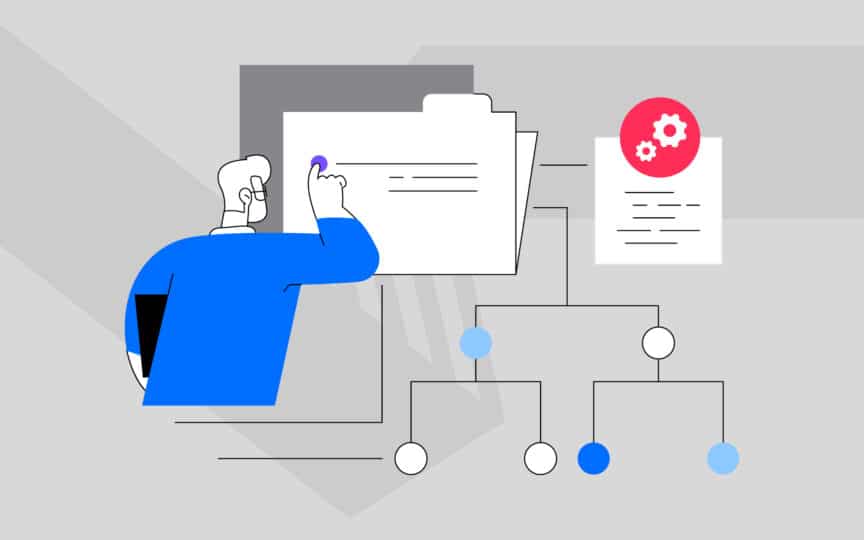
Brand architecture choices are high-stakes in mergers. They’re not just naming exercises.
They’re strategic signals about power, priority and direction. The decision to retire one brand, elevate another or create something new shapes how employees, customers and investors perceive the combined entity.
M&A brand strategy often treats architecture as a design question, but it’s fundamentally a business question. What story are you telling about the integration?
Research from Harvard Business Review shows that successful M&A integrations consider the human element, and brand architecture is central to that. Which legacy equities are worth protecting, and which are holding you back?
These are board-level calls that require integration leads, commercial teams and brand strategists working together. For detailed guidance on brand architecture in M&A contexts, explore our dedicated resource.
Post-merger architecture: one brand, many brands or endorsement
Architecture models signal strategic intent to internal teams and external stakeholders, making the choice between unified, federated or hybrid structures a fundamental integration decision. Each model carries different implications for power distribution.
A house of brands approach (keeping both legacy brands visible) signals continuity and respects existing equity. It’s often the path of least resistance.
A branded house model (one unified brand) signals transformation and commitment to a new direction. It’s clean and decisive, but risks alienating customers loyal to legacy brands.
An endorsed brand structure (primary brand + subsidiary names) offers middle ground, combining clarity with flexibility. The right answer depends on market position, customer sentiment and commercial priorities.
Naming as a post-merger signal
Naming choices after a merger carry emotional weight and strategic consequence, influencing everything from employee morale to investor perception. The decision is rarely neutral.
When two organisations merge, the naming choice sends an immediate message. Keep one name and retire the other?
You’ve just told half your workforce they lost. Create a new name?
You’re signalling transformation, but sacrificing brand equity. Naming after a merger is emotionally charged and strategically consequential.
Treat it as a business decision. What do you need the name to achieve?
Reassure customers? Energise employees? Signal a new chapter to investors?
Those objectives shape the approach. For a deeper dive into naming strategy and decision frameworks, explore our comprehensive guide.
“Brand architecture after a merger isn’t about democracy. It’s about clarity. The fastest way to stall integration is to let everyone negotiate naming and structure by committee.”
Activating post-merger brand alignment internally
Alignment is only real when people live it. You can document brand strategy and publish architecture frameworks, but if leadership behaviours and operational decisions don’t reflect those choices, you haven’t aligned anything.
Post-merger brand integration succeeds or fails in activation. The moments where theory meets reality: town halls, customer calls, performance reviews, budget approvals.
This is where brand alignment after a merger either locks in or unravels. Activation isn’t a comms campaign.
It’s a deliberate sequence of touchpoints designed to make the aligned brand the default way people work. As McKinsey research on culture during transformations shows, cultural change requires more than communication.
It requires consistent reinforcement through systems and leadership. Brand integration strategy should focus on high-visibility moments, leadership credibility and structural decisions that reinforce the new direction.
Leadership as the first integration channel
People watch what leaders do more than what they publish, making executive behaviour the most powerful brand activation channel in post-merger contexts. Credibility is built through visible, consistent choices that demonstrate the aligned brand.
Leadership behaviour is the most powerful brand activation tool in post-merger integration, and the most underused. Employees don’t read brand guidelines.
Employees read their CEO’s body language in the first all-hands post-deal. They notice which legacy brand’s language still dominates exec presentations.
They track who gets promoted, which projects get funded and whose opinions carry weight. If senior leaders don’t consistently model the aligned brand, it won’t land.
This means deliberate choreography: aligning leadership language, scripting key moments and ensuring every C-suite member can articulate the brand strategy in plain English. Fabrik worked with a manufacturing merger where the CEO opened every leadership meeting with: “We’re not the old brands anymore, we’re building this together.”
It wasn’t eloquent. It was repetitive.
And it worked. Repetition creates reality.
Leadership credibility after a merger is built through visible, consistent choices that signal “this is who we are now.”
Moments that lock post-merger alignment in
Early operational decisions and high-visibility events serve as crucial tests where employees assess whether brand alignment is genuine or performative. Each moment either reinforces or undermines the integration narrative.
Integration programmes are full of pivotal moments where employees are paying close attention to see if the new brand story is real. First quarterly planning cycle: are budget priorities aligned with the new brand strategy, or are legacy divisions still optimising for their old goals?
The first major customer pitch: does the sales team lead with the new positioning, or revert to comfortable legacy messaging? First performance review cycle: are the behaviours that get recognised aligned with the new brand?
These moments are tests. Each one either reinforces the aligned brand or undermines it.
Identify them early, prepare deliberately and use them as activation opportunities. When a merged professional services firm Fabrik advised held its first post-deal offsite, they didn’t just present the new brand.
They ran live decision-making exercises using the brand strategy as the framework. Attendees left knowing how to apply it, not just describe it.
That’s activation.

Clarity in post-merger brand integration over compromise
Successful post-merger brand alignment isn’t a cosmetic refresh. It’s an organisational compass.
When done deliberately, it accelerates decision-making, drives internal confidence and helps distributed teams make choices aligned with strategic intent. The organisations that get this right don’t aim for perfection, they aim for clarity.
Clarity in strategy, behaviours and architecture. Leadership decisions, not design reviews, determine whether alignment sticks.
Focus on the structural choices that matter, sequence them deliberately and activate them through visible action. That’s how mergers become momentum.
Post-merger brand integration is where strategy meets culture and intent becomes action. Get it right and you create a unified business with direction and clarity. Get it wrong and the operational debt compounds.
Need help aligning your brand after a merger? Fabrik specialises in post-merger brand integration strategy, from strategic architecture to internal activation. Let’s talk.

Clarity starts with a conversation.
Thanks—we’ll get back to you shortly.
Whether you're navigating a rebrand, merger, or simply need a clearer identity—we’re here to help. No hard sell, just honest advice from people who know the sector.
Let’s start with a simple question…
Prefer to email? Drop us a line.
Fabrik’s been helping organisations rethink and reshape their brands for over 25 years. We’ve guided companies through mergers, rebrands and new launches. Whatever stage you’re at, we’ll meet you there.
