







Higher education branding trends and marketing strategies in 2025

Higher education branding trends and marketing strategies are evolving quickly in 2025. AI-driven personalisation, immersive tech, and digital-first engagement strategies are quickly becoming essential among higher education marketers competing for a smaller number of prospective students.
Current students in today’s world have a huge range of educational institutions to choose from, as well as various alternatives to non-traditional education options, like online learning.
To stand out and stay competitive, higher education leaders need to embrace digital transformation, rethink their student engagement strategies, and invest in future-proof branding.
Drawing on our experience helping organisations in the higher education marketing landscape boost brand awareness, attract more qualified leads, and build authentic stakeholder connections, we’ve created this guide to mastering branding and marketing in 2025.
Higher education branding trends
The landscape for educators
Although, currently, many higher education institutions are still attracting thousands of worldwide students to their campuses, the landscape is becoming more challenging. Based on student recruitment trends, 2025 reports, and analytics, the number of people pursuing higher education is dropping.
By 2040, some analysts predict colleges and universities will be attracting up to 20% fewer students, thanks to the rise of online learning, as well as various economic challenges.
Universities are now competing for new students on a global stage, as remote and hybrid academic programs evolve. Plus, digital transformation isn’t just leading to higher competition.
It’s also having an impact on how higher education marketers build relationships with stakeholders. After all, today’s students are digital natives, consuming content on TikTok, Instagram, and YouTube long before they ever step foot on campus.
AI-driven chatbots, virtual open days, and hyper-personalised email marketing are now essential tools in the university marketing playbook. AI in higher education marketing is even influencing how institutions attract faculty members and maintain relationships with student ambassadors.
Marketing and branding in higher education
2025 trends
There’s no one-size-fits-all way to enhance your marketing efforts and upgrade your approach to branding in 2025. The higher education branding trends and marketing strategies you implement will depend heavily on the target audience you’re trying to reach.
However, based on our experiences here at Fabrik, there are some specific university marketing strategies, 2025 branding trends, and ideas virtually every organisation should be considering.
Here are the top trends for higher ed institutions to explore…

1. Digital-first branding strategies
Let’s start with how digital transformation is influencing international student recruitment strategies, and campaigns for building brand awareness in 2025.
Younger audiences, like Gen Z students, and Gen Alpha learners are embracing digital channels to learn more about the educational institutions available to them. For instance, up to 87% of students follow a higher education brand on social media.
Many also look for video content and insights into campus life on university websites, online forums, and channels like YouTube.
Building a strong online presence
While traditional prospectus guides and “offline” content still appeals to some students, most potential students rely on digital channels to learn about courses, campuses, and college enrolment options. This makes a robust online presence a powerful tool for higher ed marketers.
Companies need to invest in high-quality websites, that educate students on the benefits their institution has to offer. A website filled with rich content, from blog posts that demonstrate thought leadership, to student-centered content like alumni success stories will help drive engagement.
University content marketing strategies can combine everything from insights into campus life, to infographics, videos, and articles that introduce students to your facility’s accomplishments.
Not only does this content lead to a better user experience for students who need insights to guide them through the decision-making process, but it can boost your visibility too.
Combining content creation with SEO strategies can help universities and colleges connect with potential students searching for specific terms on search engines like Google.
Leveraging social media to strengthen brand identity
The rise of social media is one of the most important higher education marketing trends for institutions to explore today. Social media strategies for universities give organisations a more effective way to share digital content and engage in conversations with audience members.
In recent years, leading higher education innovators have begun investing in a wide range of social channels. Visual-first platforms like TikTok and Instagram allow organisations to share authentic insights into university life with potential students.
Alternatively, social media channels like LinkedIn help educators to highlight academic programs, drive students towards specific landing pages, and even strengthen connections with alumni.
Across all channels, short-form video marketing content has emerged as an effective way to enhance the student journey, with event highlights, alumni success stories, and even campus tours.
The rise of virtual campus tours and online open days
Virtual experiences have become crucial in showcasing what universities offer, especially for international students who might not be able to visit a campus in person.
Virtual campus tours have become increasingly popular, particularly among institutions in the US and UK. They allow students to explore campus facilities, dormitories, and lecture halls from a smartphone or computer.
Some higher groups taking advantage of new higher education branding trends are even using features like 360-degree views and interactive maps or VR experiences to enhance tours.
Many top competitors in this space are also hosting online open days, with live webinars, Q&A sessions, and virtual meet-and-greets, so students can get to know other students and faculty. These virtual events will only become more popular as remote learning gains traction.
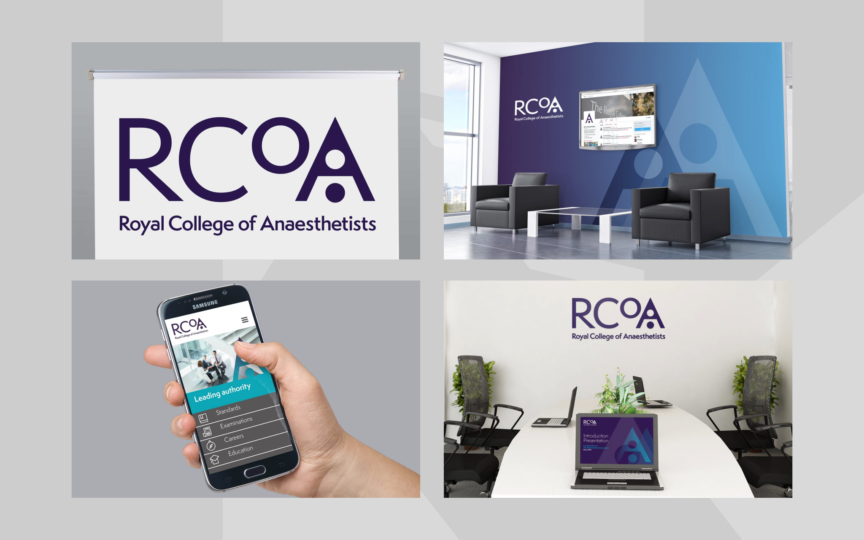
Case study: Revitalising the RCoA brand
For an insight into how embracing higher education branding trends with a focus on digitisation can enhance your international student recruitment strategies, look at the Royal College of Anaesthetics (RCoA).
This Royal College worked with Fabrik to boost its appeal to new generations of students.
Keen to adapt to key trends for branding in higher education, while maintaining their exiting heritage, the RCoA worked with Fabrik on a comprehensive rebranding strategy.
With our help, the institution developed a new, modern visual identity, an engaging online experience for prospective and existing students, and an omnichannel digital marketing strategy.
The revitalised brand successfully balanced tradition with modernity, strengthening the RCoA’s position as a leader in medical education. The new identity appealed to a broader audience, enhancing engagement and membership growth.

2. Authentic storytelling and leveraging student voices
When it comes to university marketing strategies, 2025 is the year that organisations need to go all-in on boosting authenticity, and credibility. Throughout the student journey, prospective learners are bombarded with information from countless educators, competing for their attention.
Leveraging real experiences and genuine student voices in your higher ed marketing strategy, is how you earn the trust and loyalty of discerning students.
The rise of authenticity in university content marketing
Trust is the cornerstone of any meaningful relationship between universities, students, faculty, and alumni. When universities infuse their marketing campaigns with real-world stories, student testimonials, and insights from thought leaders, they turbocharge trust.
Prospective students are more likely to engage with content that feels honest and relatable, rather than polished marketing jargon. That’s particularly true for younger Gen Z and Alpha students, who prioritise real human connections.
Studies show that Gen Alpha students are more engaged by authentic, personalised content across social media platforms and websites than any other type of content.
Focusing on authentic content doesn’t just help you reach potential students either. It can help make your organisation more appealing to faculty and investors.
User-generated content as a branding tool
Imagine you were a student searching for the best possible educational experience among thousands of universities. Would you be more likely to connect to traditional marketing campaigns, or genuine, user-generated content from real students, alumni, and faculty members?
User-generated content, such as student-centric stories that explore how various students have overcome unique challenges and achieved their academic goals helps you connect with audience members on a deeper level, and keep existing students engaged.
For instance, Newcastle University uses a team of student ambassadors to create and publish content across various digital channels, packed with genuine human insights.
User-generated content, in different formats can be a great way to demonstrate your commitment to diversity and inclusion too. You can share insights into diverse student experiences from different backgrounds to differentiate yourself from other institutions.
Alumni success stories as a marketing strategy
Alumni success stories, whether they’re shared in the form of short-form videos, or articles, are a great way to highlight the genuine impact your institution has on students.
Sharing success stories enhances alumni engagement, helping you to maintain strong connections with previous students who might be willing to promote your brand.
Plus, alumni success stories can offer unique insights into the student experience potential audience members can expect. The City University of London worked with Fabrik to create a unique marketing tool “The Book of Secrets” for prospective students.
This book (available in both digital and physical formats) combined relevant content about the University’s history, with genuine testimonials from alumni, and tips from students.
Existing students introduced potential learners to their favourite campus amenities, insights into where they could relax and unwind, and even tips on what kind of software to use.
The book, designed with luxurious features like embossing and foil blocking, not only served as a practical guide but also fostered a sense of belonging and excitement among incoming students.
By involving current students in the narrative, City, University of London showcased its commitment to student engagement and support, reinforcing its brand identity and appeal.

3. Data-driven strategies and personalised university marketing
In today’s world, personalisation is something that everyone expects, whether they’re looking for products and services online, or searching for the ideal college environment.
Fortunately, the growth of digital transformation in higher education branding trends and marketing strategies offers companies numerous tools to create more relevant campaigns.
Harnessing data to create relevant content
The modern university marketing team now has access to all kinds of data, from insights into the admissions process, to market reports, to help them segment students into different groups, and create more impactful content.
University marketers can track the “student journey” of different groups across channels, from social media, to website interactions, to learn more about the unique concerns and goals of different learners.
This way, they can create videos, guides, and even admission strategies that enhance the student experience. Some organisations are even taking advantage of artificial intelligence, and machine learning, to create dynamic experiences that adapt to users based on their location or preferences.
Personalisation in student outreach and engagement
Another way to upgrade digital marketing for universities with personalisation, is to create more specific outreach strategies for different groups. With insights into student data, colleges can identify the right time or channel to reach a student throughout their journey.
Organisations using email and SMS marketing to connect with their audiences can craft messages that address specific interests and needs.
For example, a student interested in engineering might receive content highlighting the institution’s engineering programs, faculty achievements, and relevant campus events. AI and automation tools can even ensure that these messages reach customers when they’re most likely to engage with content.
Leading institutions like the Georgia State University even use AI to provide every new student with a step-by-step application and onboarding experience.
The “Pounce” AI bot can recommend courses and educational resources to students based on their needs, and even help them plan for assignments and exams after they enrol.
Predictive analytics for admissions & marketing campaigns
Predictive analytics, powered by AI, machine learning, and data analysis tools can even help colleges and universities stay ahead of higher education marketing trends and branding opportunities.
These tools can help institutions learn more about the applicants most likely to be interested in their offerings, so they can focus their resources on more qualified leads. They can even detect which students are most likely to abandon their studies, or face issues based on historical data.
The Ivy Tech Community College uses AI to identify which students are most likely to struggle with their studies, in advance. This allows faculty members to create targeted outreach strategies to support and guide learners before their grades start to drop.
In marketing campaigns, predictive analytics can identify which strategies are most effective for different student segments, enabling more efficient allocation of marketing budgets and higher return on investment.

4. Diversity, equity and inclusion in higher education branding
Diversity, equity and inclusion have become increasingly important concepts to modern students – particularly those in the Gen Alpha cohort. Every student wants to see evidence that they’re going to get an incredible learning experience, regardless of their background.
That’s why higher education branding trends are beginning to focus more on highlighting diversity initiatives – to help institutions attract a broader audience.
Representing diverse communities in visual & verbal branding
To demonstrate diversity, many colleges and higher education institutions are beginning to update their visual and verbal branding strategies. You’ve probably noticed many leading institutions, like Harvard, and John Hopkins’ University including more diverse students in their brand photography.
Most organisations now prioritise making their visual marketing materials more inclusive, highlighting students from different backgrounds, as well as those with disabilities or unique learning requirements. Many groups are also using more inclusive language.
College enrollment teams are taking extra steps to remove biased and discriminatory language from marketing materials, avoiding gendered or age-focused terms.
Some places of study, like Smith College, have even built student government associations committed to reviewing materials for gender-specific pronouns or less inclusive terms.
DEI initiatives as a brand differentiator
Implementing DEI-focused programs isn’t just about adapting to branding and digital marketing trends. It’s the key to making sure your institution can attract and engage as many groups of learners as possible. Used correctly, DEI can give higher education groups a significant edge.
Just look at how the Associated Students of the University of Washington (ASUW) established nine diversity commissions dedicated to various student communities – differentiating it from other more traditional colleges and institutions.
A focus on diversity and inclusion in everything from scholarship programs, to marketing materials, can also help to attract stakeholders, employees, and investors to educational groups.
For example, despite federal cuts to DEI programs, LLCC reaffirmed its commitment to diversity and inclusion, emphasising its dedication to providing quality education and fostering an inclusive environment, helping it to attract community supporters.

5. Sustainability & social responsibility as a branding strategy
Finally, modern students are looking for educational bodies that don’t just share their values related to diversity, equity, and inclusion, but also demonstrate a commitment to sustainability and social responsibility. We’ve seen this trend rising year after year here at Fabrik.
That’s particularly true as new generations of students enter the marketplace. These younger learners are consistently drawn towards facilities that follow best practices linked to ethics.
Green marketing & sustainable campus initiatives
Universities worldwide are integrating sustainability into their core operations, reflecting a commitment that resonates with environmentally conscious students.
Setting ambitious sustainability targets and transparently communicating about the progress you’re making with campus sustainability branding can help you to appeal to a wider range of students, and differentiate yourself from the competition.
For example, the University of Sussex has launched the UK’s first undergraduate degree in climate justice, combining climate politics, environmental human rights, and activism with practical green skills. This makes it more appealing to students who want to have a positive impact on the world.
Social responsibility and the impact on student perception
Active involvement in local communities enhances a university’s reputation and strengthens emotional connections with students. Drawing attention to the specific program options and strategies you’re using to make the world a better place can help you stand out in today’s digital space.
It’s not just about staying up-to-date with the latest trends. Focusing on social responsibility ensures you can appeal to more ethical, responsible students and adapt to new employer interests.
For instance, education providers can partner with local organisations and institutions on work assignment programs and apprenticeships that support students interested in specific initiatives, like efforts to reduce carbon emissions and greenhouse gasses.
These initiatives can also enhance your digital marketing strategies, giving you more unique stories about alumni accomplishments to share with prospective students.

Data-backed insights: Higher education branding in 2025
Higher education branding trends and unique marketing strategies are reshaping the educational landscape in 2025. Organisations that fail to adapt now don’t just risk issues with their student engagement and recruitment strategies – they could end up losing funding and faculty support.
Key insights to keep in mind this year include:
- Digital transformation continues: As of 2024, 70% of higher education institutions were planning on increasing their digital marketing budgets, and investing in new technologies to engage with students, highlighting a continued need for digital transformation.
- Omnichannel engagement grows: In today’s world, higher education institutions can’t rely on traditional marketing channels alone. To enhance international student recruitment strategies, you’ll need a presence on multiple digital platforms and channels.
- The rise of AI: The adoption of AI in higher education marketing is on the rise, with institutions leveraging AI-powered tools such as chatbots and predictive analytics to enhance student engagement and streamline operations.
- Evolving student values: Younger generations of students, such as Gen Z and Alpha learners are becoming more focused on diversity, equity, and inclusion, as well as sustainability initiatives. Rethink your brand values if you want to stay ahead.
- Authenticity becomes essential: Students are becoming less trusting of educational providers. An authentic approach to sharing relevant, personalised, and user-generated content will be critical to attracting and engaging audiences.

Adapting to higher education branding trends in 2025
The higher education branding landscape is evolving fast. To attract the right students, engage stakeholders, and future-proof your institution, you need a strategic approach to branding and marketing.
At Fabrik, we specialise in helping universities and higher education institutions stand out in a competitive market with bold, future-ready brand strategies. From digital-first branding to authentic storytelling, we’ll help you connect with the next generation of students.
Ready to elevate your university’s brand? Contact Fabrik today and let’s shape the future of higher education branding together.
Fabrik: A branding agency for our times.

Clarity starts with a conversation.
Thanks—we’ll get back to you shortly.
Whether you're navigating a rebrand, merger, or simply need a clearer identity—we’re here to help. No hard sell, just honest advice from people who know the sector.
Let’s start with a simple question…
Prefer to email? Drop us a line.
Fabrik’s been helping organisations rethink and reshape their brands for over 25 years. We’ve guided companies through mergers, rebrands and new launches. Whatever stage you’re at, we’ll meet you there.
