







Brand hierarchy vs brand positioning: Know the difference, use both wisely

Here’s a truth that might surprise you: most marketing leaders can’t clearly explain the difference between brand hierarchy and brand positioning. Yet these two concepts form the backbone of every successful brand strategy. Brand hierarchy vs brand positioning isn’t just academic jargon—it’s the difference between a brand that makes sense and one that confuses everyone, including your own team.
If you’re managing multiple brands, launching new products, or trying to make sense of your brand architecture, understanding when to focus on structure versus strategy could transform how your organisation approaches branding.
What is brand hierarchy?
What is brand hierarchy? It’s the organisational framework that defines how your brands, sub-brands, and products relate to each other. Think of it as your brand’s family tree—it shows which brands are parents, which are children, and how they all connect within your portfolio.
At its core, brand hierarchy solves a practical problem: clarity. When you have multiple offerings, customers need to understand what belongs where. Your team needs to know which brand guidelines to follow. Your marketing budget needs to know where to focus.
The most common brand structure approaches include:
- Masterbrand approach: One dominant brand covers everything under its umbrella.
- Endorsed brands: Sub-brands carry the parent brand’s endorsement and visual identity system.
- Independent brands: Each offering stands alone with its own messaging hierarchy
Each brand architecture framework serves different strategic purposes and appeals to different audiences. Without clear brand hierarchy, you’re essentially running several disconnected brands that compete against each other rather than working together.
Examples of brand hierarchy in action
Unilever demonstrates masterful brand hierarchy management. Their portfolio includes everything from Dove to Ben & Jerry’s, each with its own distinct identity, yet all clearly organised under strategic brand families.
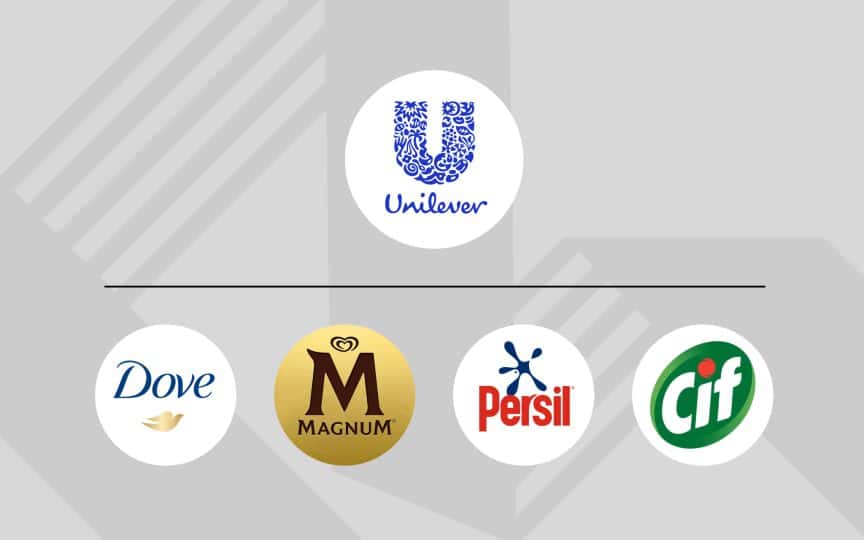
You’ll never confuse a Unilever beauty brand with their food offerings, because their hierarchy creates clear boundaries and relationships.
Google’s evolution into Alphabet provides another compelling example. When Google’s diverse ventures—from search to self-driving cars—needed clearer organisation, they created Alphabet as the parent company.
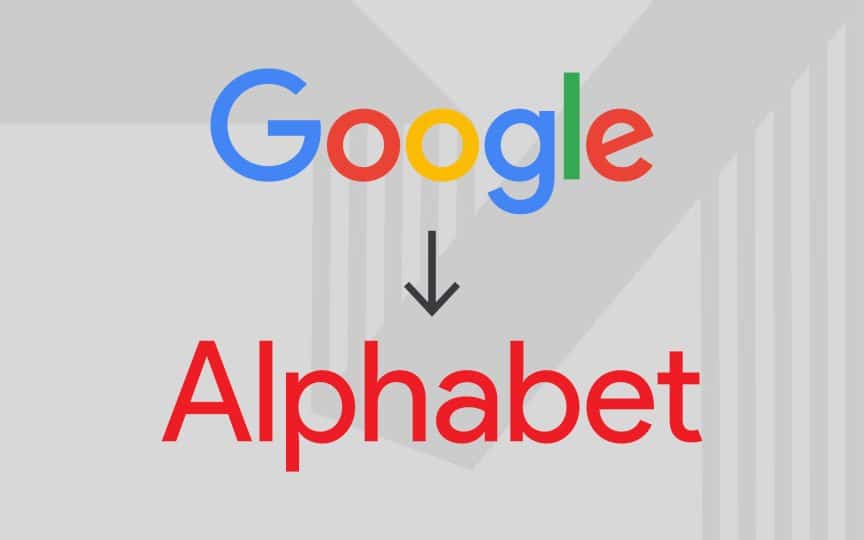
This brand hierarchy allows each venture to maintain its identity while benefiting from the association with the broader organisation.

What is brand positioning?
What is brand positioning? It’s the strategic process of establishing where your brand sits relative to competitors and how you want people to think and feel about your brand. While brand hierarchy organises your brands structurally, brand positioning operates in the minds of your audience.
Brand positioning is fundamentally about customer perception and differentiation. It encompasses your brand’s purpose, values, personality, and the specific space you occupy in your market.
Unlike hierarchy, which focuses on internal organisation, positioning is entirely audience-focused.
Effective brand positioning creates a strategic brand development foundation that informs:
- Your core messaging and brand positioning statement.
- Your visual identity system and brand touchpoints.
- Your competitive differentiation strategy.
- Your customer perception goals.
When positioning works well, customers can instantly understand what makes your brand different and why it matters to them.
This is where many organisations get confused—they spend considerable time perfecting their brand hierarchy but neglect the strategic positioning that brings each brand to life.
Examples of strong brand positioning
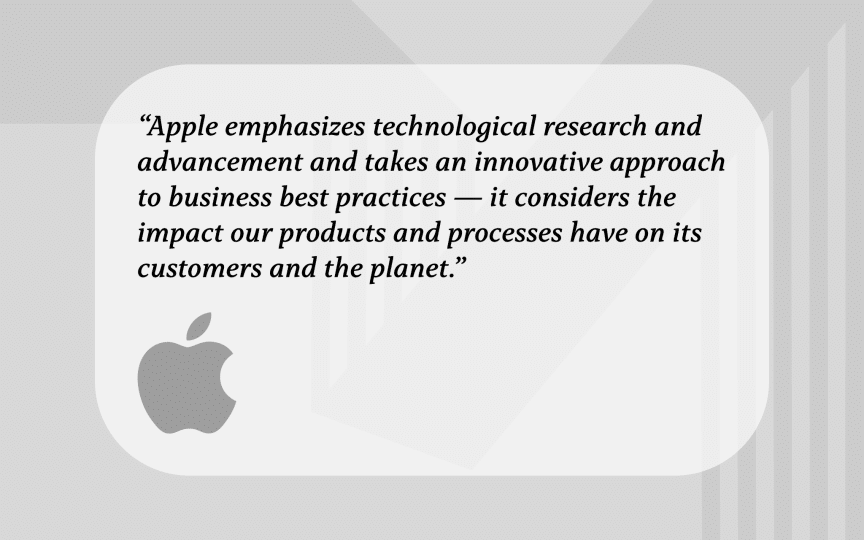
Apple’s positioning as the premium, design-focused technology brand that “thinks different” has remained remarkably consistent for decades. Their positioning isn’t just about products—it’s about belonging to a community of creative, forward-thinking individuals who value simplicity and innovation.
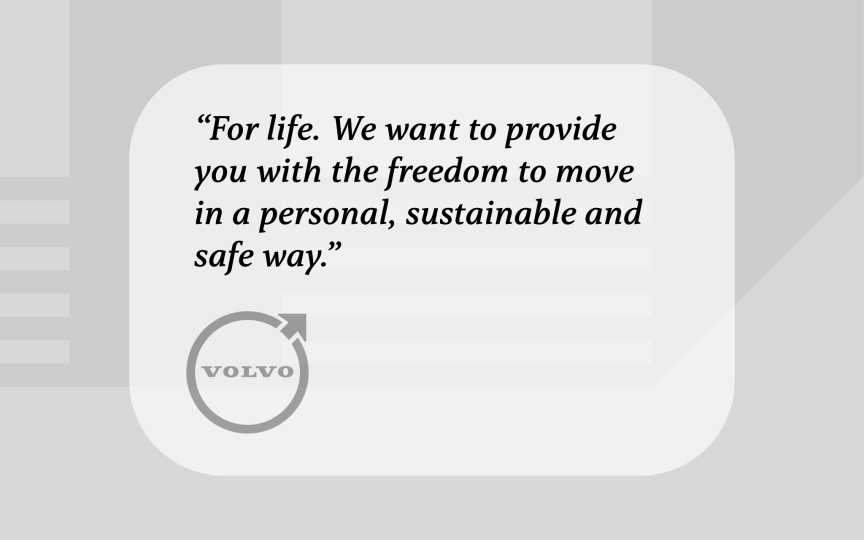
Volvo’s positioning around safety created such a strong association that even today, decades after their initial safety campaigns, people instinctively think “safe” when they hear Volvo. This positioning influenced every aspect of their brand, from engineering priorities to marketing messages.
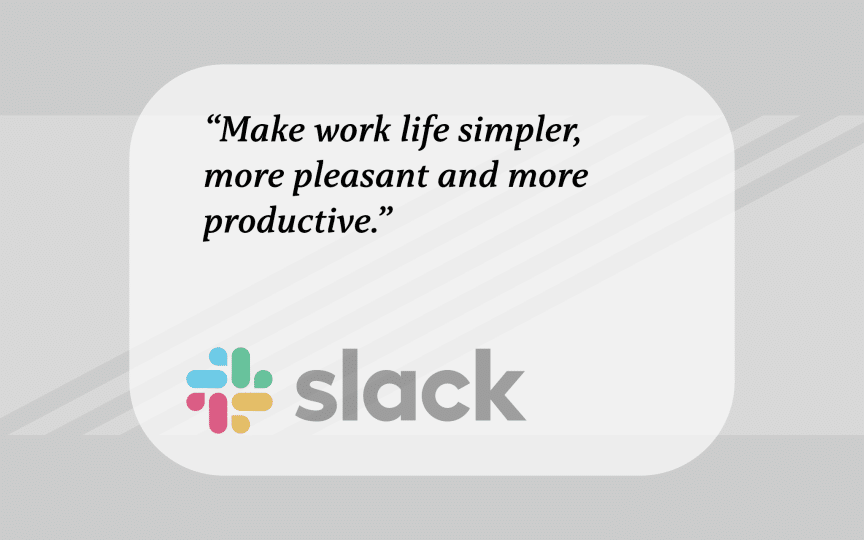
In the B2B space, Slack positioned itself not just as another messaging tool, but as the platform that makes work more human. This positioning helped them differentiate from established players like Microsoft by focusing on culture and collaboration rather than just functionality.
Brand hierarchy vs brand positioning
The confusion between brand hierarchy and brand positioning often stems from their interconnected nature, but they serve fundamentally different purposes. Understanding this difference is crucial for effective brand strategy framework development.
Here’s how they contrast:
- Internal structure vs audience perception: Brand hierarchy organises your brands for internal clarity and operational efficiency. Brand positioning creates external differentiation and emotional connection.
- Organisation-focused vs audience-focused: Your hierarchy might make perfect sense to your team but mean nothing to customers. Your positioning should make perfect sense to customers even if they don’t understand your internal structure.
- Visual and messaging clarity vs strategic distinctiveness: Hierarchy ensures consistent brand expression across your portfolio strategy. Positioning ensures each brand occupies a unique space in the market.
- Operational efficiency vs competitive advantage: Good hierarchy streamlines decision-making and resource allocation. Good positioning creates sustainable competitive differentiation and builds brand equity.
This isn’t about brand architecture vs brand positioning as competing concepts—it’s about understanding when to focus on structure versus strategy.
Aligning structure and strategy
The magic happens when brand hierarchy and brand positioning work in harmony. Structure should support strategy, and strategy should inform structure. When they’re misaligned, you create confusion that undermines both customer understanding and internal efficiency.
Consider the risk of getting structure right but positioning wrong. You might have a beautifully organised brand portfolio that makes no strategic sense in the market.
Conversely, you might have brilliant positioning for individual brands that creates chaos because your hierarchy doesn’t support their distinct strategies.
The most critical moments for addressing both together include major rebrands, mergers and acquisitions, and global expansion.
These transitions require both structural clarity and strategic positioning to succeed. Your hierarchy must organise the complexity while your positioning must create market differentiation.
Sometimes hierarchy actually informs positioning. When you launch a sub-brand, its relationship to the parent brand becomes part of its positioning strategy. The endorsement or independence you choose through hierarchy directly impacts how the market perceives and positions your new offering.
At Fabrik, we’ve seen organisations transform their brand effectiveness by aligning structure and strategy. When hierarchy and positioning work together, they create clarity that benefits everyone—from internal teams to external audiences.
A quick framework for decision-making
Knowing when to focus on hierarchy versus positioning depends on your specific challenges.
Here’s a simple framework to guide your decision-making:
Focus on brand hierarchy when:
- You have multiple products or brands that create confusion.
- You’re launching new offerings that need clear relationships to existing brands.
- Internal teams struggle to understand which brand guidelines to follow.
- Your portfolio strategy lacks clear organisation.
Focus on brand positioning when:
- You’re entering new markets where differentiation is crucial.
- Your brand is misunderstood or lacks clear identity.
- Competitors are encroaching on your market space.
- Customer perception doesn’t align with your brand goals.
Address both together when:
- You’re undergoing major organisational changes.
- Your brand portfolio has grown organically without strategic oversight.
- You’re preparing for significant market expansion.
- Your brand touchpoints send conflicting messages.
Bridging the gap; what you say, what you do
The most dangerous scenario is when your brand hierarchy and brand positioning tell different stories.
This disconnect creates confusion that undermines both customer trust and internal alignment. Your structure might suggest one thing while your positioning promises another.
Regular audits of both your hierarchy and positioning can reveal these gaps before they become serious problems. Look for inconsistencies between how you’re organised and how you’re positioned. Check whether your sub-brands support or compete with your positioning strategy.
External perspective often uncovers blind spots that internal teams miss.
When you’re deeply embedded in your brand structure, it’s difficult to see how positioning might be undermining hierarchy, or vice versa. Fresh eyes can identify disconnects and opportunities for better alignment.

The bottom line
Brand hierarchy is how your brand fits together; brand positioning is how it stands out. Hierarchy creates internal clarity and operational efficiency. Positioning creates external differentiation and competitive advantage.
The best brands don’t choose between structure and strategy—they align both to create clarity, consistency, and cut-through.
Don’t think of it as brand hierarchy versus brand positioning. Think of it as both working in harmony to build brands that make sense to everyone who encounters them.
Need help aligning your brand structure with your strategic positioning? Let’s talk about how we can bring clarity to your brand portfolio and create the cut-through you need.

Clarity starts with a conversation.
Thanks—we’ll get back to you shortly.
Whether you're navigating a rebrand, merger, or simply need a clearer identity—we’re here to help. No hard sell, just honest advice from people who know the sector.
Let’s start with a simple question…
Prefer to email? Drop us a line.
Fabrik’s been helping organisations rethink and reshape their brands for over 25 years. We’ve guided companies through mergers, rebrands and new launches. Whatever stage you’re at, we’ll meet you there.
