






Internal brand alignment that actually changes behaviour
Most rebrand projects end with a deck and a launch event. Then silence. Six months later, the sales team is still using the old pitch, operations has invented three new ways to describe what you do, and the CEO wonders why nobody “gets it.” The gap between strategy and everyday decisions is where most programmes die.
Internal brand alignment bridges that gap by turning choices into habits and artefacts into tools people actually use. This article gives you a practical framework, a 90-day plan, and a scorecard so you can stop writing memos and start changing behaviour.
Think brand adoption through capability, not compliance. Expect concrete steps, not slogans.
What internal brand alignment really means
Alignment isn’t compliance. It’s not about telling people to use the logo correctly or policing tone of voice in emails.
Internal brand alignment is the practice of embedding brand choices into the workflows, rituals and decisions teams make every day. It turns abstract strategy into tangible behaviour so managers can coach, teams can self-correct, and the brand lives in how work gets done rather than where it’s talked about.
When done well, brand alignment creates a shared language and set of tools that reduce friction, speed up decisions, and make the brand feel consistent to customers without adding bureaucracy. When done badly, it becomes another initiative people nod at in the all-hands and ignore by the following Tuesday.
The difference is capability, not intent. Most organisations assume alignment means more training or clearer guidelines. In reality, people need simple tools they can apply in the moment, managers who can coach the brand in performance conversations, and systems that make the right choice the easy choice.
This section unpacks what alignment looks like in practice and why behaviour change matters more than brand police. Brand enablement happens when you remove friction, not add rules.
Alignment is behaviour, not brand police
When teams understand what good looks like and have the tools to deliver it, execution happens without enforcement. The goal is to make doing the right thing easier than inventing a new approach.
That means giving people decision frameworks, reusable assets, and talk tracks they can lift into client conversations or internal briefings. It also means building employee brand engagement through rituals that reinforce the brand in team meetings, onboarding sessions, and peer reviews rather than relying on posters or one-off workshops.
From values to decisions in the flow of work
Values are useless unless they change decisions. If “bold” is a brand value, what does bold look like when a product manager is deciding whether to simplify a feature or add complexity? If “human” matters, how does a support agent handle an angry customer differently?
The brands that stick translate abstract ideas into concrete choices people can make in the flow of work. That’s where behaviour change becomes real.
Managers need coaching prompts, teams need example scenarios, and systems need to surface the right asset or message at the point of need so people don’t have to hunt or guess.

Symptoms and quick diagnostics
Most leaders sense alignment is broken before they can prove it. Messages feel inconsistent, teams duplicate effort, and managers struggle to coach the brand beyond surface-level feedback.
These symptoms show up across channels and touchpoints, eroding trust and wasting time. Internal brand alignment fixes this by giving everyone a shared reference point and the tools to apply it.
The trick is knowing where to look. This section highlights three common patterns that signal misalignment and offers quick diagnostics you can run this week. If any of these feel familiar, it’s time to act.
Brand consistency doesn’t happen by accident; it’s the result of deliberate systems, cadence, and tooling that make the brand easy to apply. Use a survey pulse to spot friction points fast, then prioritise fixes that unblock the most people.
Mixed messages across channels
When marketing says one thing, sales says another, and customer service defaults to jargon, customers notice. Inconsistent messaging across touchpoints signals that teams don’t have a common story or the confidence to use it.
Often this happens because the message house lives in a deck somewhere and nobody knows how to adapt it for their context.
Quick diagnostic: Pull three customer-facing outputs from different teams and compare the language, tone, and value proposition. If they don’t feel like the same brand, you need a reusable message house and internal communications that show people how to apply it.
Teams reinventing assets
If every region, product line, or function is creating its own slides, brochures, or social templates, you’re burning time and diluting the brand. This usually means the central assets are hard to find, hard to customise, or don’t fit the real-world scenarios teams face.
Quick diagnostic: Ask three managers where they go to find brand-approved templates. If they shrug or point to local folders, your template library isn’t working. The fix is a single source of truth with flexible assets people can adapt without starting from scratch.
Managers can’t coach the brand
When a team member asks “Is this on-brand?” and the manager says “I think so,” you have a coaching gap. Managers are the front line of alignment, but most haven’t been given the language, examples, or confidence to coach beyond surface-level aesthetics.
Quick diagnostic: Ask five managers to describe what “on-brand” means for their team’s work. If the answers are vague or contradictory, they need manager coaching tools, scenario prompts, and regular rituals that reinforce the brand in one-to-ones and team retrospectives.
The alignment stack
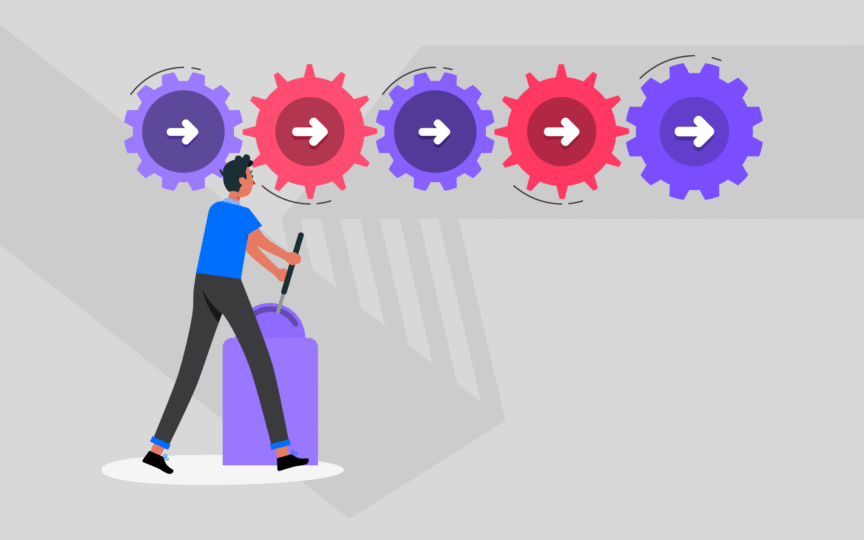
Strategy → Story → Systems → Skills → Signals
Alignment doesn’t happen in one go. It’s a stack you build layer by layer, starting with strategic clarity and ending with the habits and metrics that keep it alive.
Most programmes fail because they jump straight to guidelines or training without laying the foundations. Brand alignment works when each layer supports the next, creating a coherent system teams can navigate on their own.
This section walks through the five layers of the stack and shows how they connect. The model is simple: strategy sets the choices, story gives people the language, systems make it easy to apply, skills build capability, and signals reinforce what’s working.
Together, they turn abstract brand work into practical brand governance that enables rather than blocks. Use this as a mental model when you’re planning rollout or diagnosing where things are stuck. A strong message house and accessible design system are table stakes, not nice-to-haves.
Strategy and choices that guide trade-offs
Strategy is about what you won’t do. It’s the set of choices that guide trade-offs when two good options compete.
If your brand strategy doesn’t help a product manager decide between features or a comms lead pick the right channel, it’s decoration. The alignment layer starts here: clear strategic guardrails that teams can apply to everyday decisions.
Our brand strategy approach focuses on distilling strategy into a handful of principles people can remember and use under pressure. The goal is change management that sticks because the strategy feels relevant, not imposed.
Story and message house everyone can use
A message house is the reusable narrative framework that gives everyone the same raw materials to tell the brand story in their own context. It includes positioning, proof points, benefits, and tone guardrails structured so sales, product, HR, and customer service can adapt it without diluting the core.
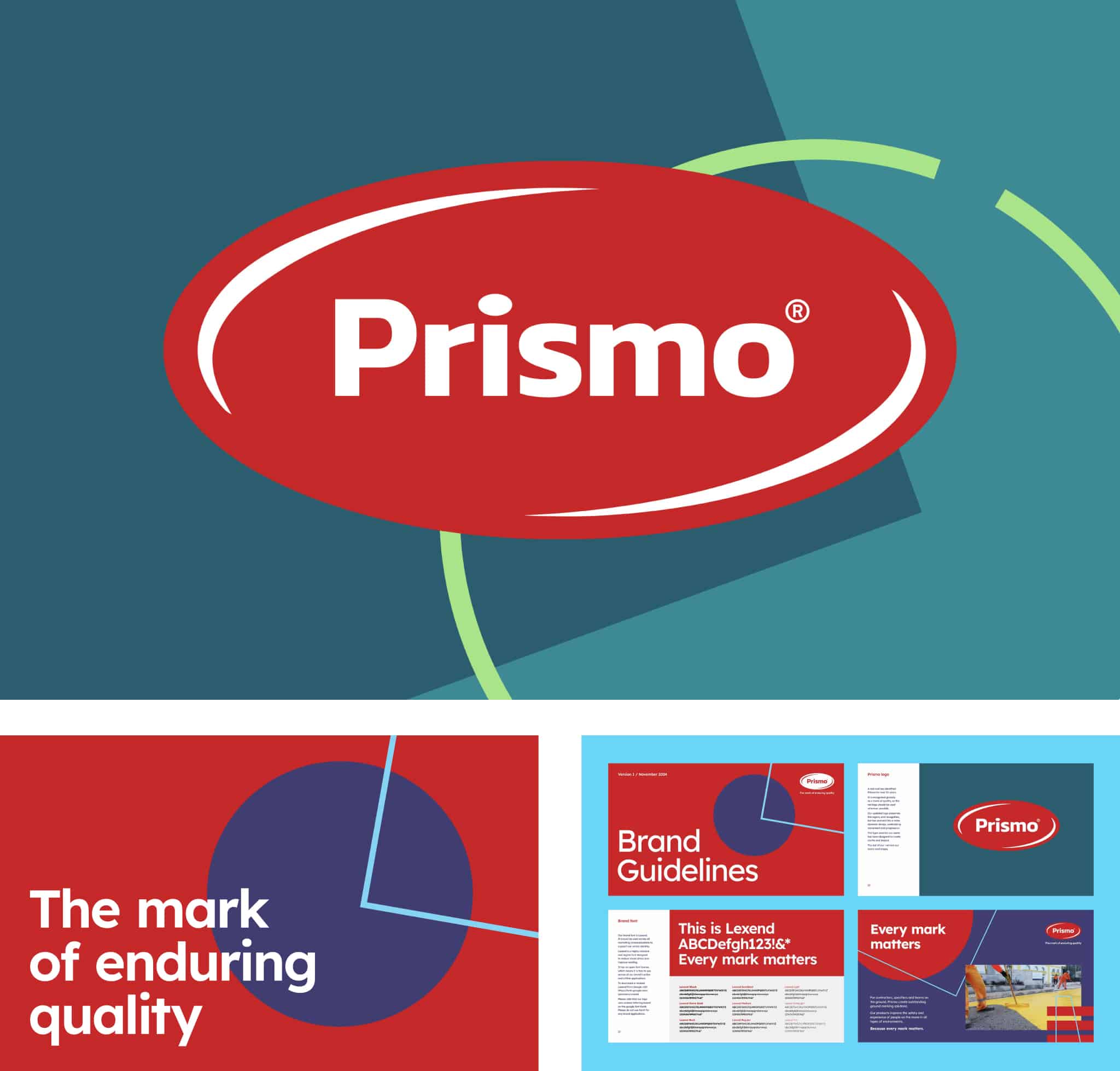
When Prismo launched their new brand identity, the rollout centred on equipping internal teams with a clear story they could apply in pitches, onboarding, and client conversations. The reusable message house became the anchor for consistency, not a 40-slide deck.
Build yours as a living tool, not a monument.
Systems and online brand guidelines
Systems are the infrastructure that makes doing the right thing easier than inventing a new approach. That means online brand guidelines that are searchable, examples that show real-world application, and asset libraries people can browse and download in seconds.
If your guidelines live in a PDF on the intranet, nobody is using them. Modern systems also include design system components, template libraries, and approval workflows that let teams move fast without breaking the brand.
Visual identity and digital branding infrastructure work together to create systems that teams can self-serve. Build for speed and clarity, not perfection. Online brand guidelines that people use in the real world are searchable, visual, and updated regularly.
Skills and manager coaching moments
Skills are what turn guidelines into habits. Managers need coaching prompts, scenario practice, and regular rituals that make the brand part of performance conversations.
That might look like a monthly “brand clinic” where teams review recent work, or a set of manager coaching cards that prompt reflection on tone, messaging, or visual consistency. Frameworks like ADKAR show that sustained change requires building awareness, desire, knowledge, ability, and reinforcement at every level.
The goal is to build capability so people can self-correct and teach each other, not rely on a central team to police every output.
Signals and KPIs that reinforce
Signals are the leading and lagging indicators that show whether alignment is working. Leading indicators might include guideline page views, asset downloads, or coaching frequency. Lagging indicators track brand consistency scores, customer perception, or time saved by reusing assets.
Publish a simple KPI dashboard that updates weekly so teams can see progress and adjust. If the numbers don’t move, the playbook needs to change.
Reinforce what’s working by celebrating teams that apply the brand well and sharing examples across the organisation. Research on scaling teams shows that regular rituals and visible recognition accelerate adoption.
A practical 90-day plan that sticks
Most alignment programmes drag on for months, lose momentum, and ship half-finished tools nobody uses. A focused 90-day sprint forces prioritisation and delivers a working system people can adopt immediately.
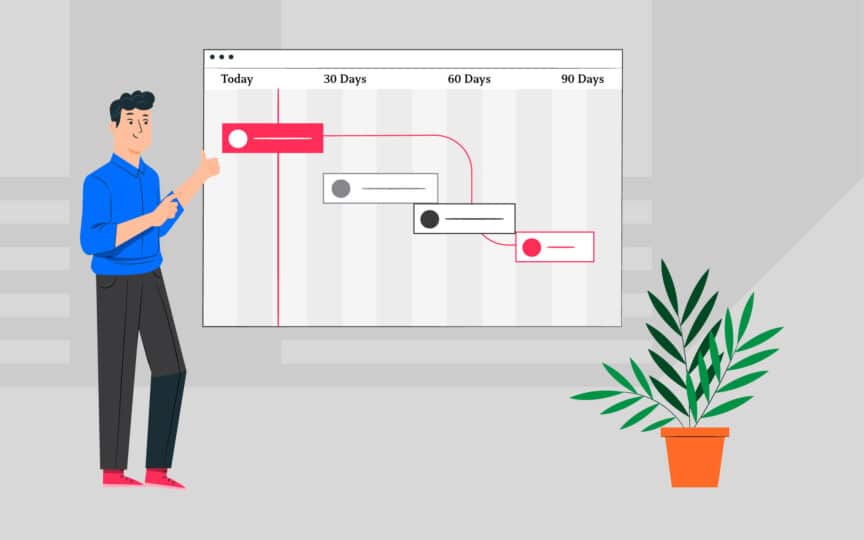
The structure is simple: pilot with a small group, scale the tools and training, then measure and announce. This approach mirrors how organisations execute change successfully by focusing on quick wins, visible progress, and iterative improvement.
Internal brand alignment thrives when teams see the value fast and can shape the rollout as it scales. Brand rollout isn’t a waterfall; it’s a loop. Start small, learn, adjust, then scale.
This section breaks the plan into three four-week blocks, each with clear owners, milestones, and outputs. The goal is to build brand adoption through momentum, not mandates.
Weeks 1–4: pilot the end-to-end journey
Pick one team, function, or region to pilot the full alignment experience. Build the core tools: a working message house, a lightweight set of guidelines, a starter template library, and a handful of manager coaching prompts.
Run onboarding with the pilot group, gather feedback, and iterate the tools based on what sticks and what doesn’t. Ship weekly updates so the rest of the organisation sees progress and understands what’s coming.
The goal is to prove the system works in a real-world context before scaling.
Weeks 5–8: scale the tools and training
Roll out the refined tools to the next wave of teams. Host live training sessions, record them for asynchronous access, and integrate the brand into existing onboarding programmes so new joiners get it from day one.
Activate coaching rituals, publish the first set of metrics, and start building a library of examples that show the brand in action across different contexts. This is where brand rollout accelerates if the tools are good and the comms are clear.
If adoption stalls, revisit the tools, not the messaging.
Weeks 9–12: measure, tidy, announce
Gather data on leading and lagging indicators, identify gaps, and tidy the tools based on feedback. Host a formal launch event that celebrates early adopters and shows the rest of the organisation what good looks like.
Use this moment to reset expectations, introduce the scorecard, and establish the cadence for ongoing support. The goal is to shift from rollout mode to steady-state internal communications that keep the brand alive without constant central intervention.
Build employee brand engagement by making the brand a normal part of how work gets done, not a special project.

Tooling that makes adoption easy
Tools matter. If the brand is hard to find, hard to apply, or feels like extra work, people will ignore it. The best alignment programmes invest in simple, accessible systems that make doing the right thing easier than inventing a new approach.
This section covers the three core tools every organisation needs: online brand guidelines that people can search and apply in seconds, a reusable message framework that works across contexts, and lightweight governance that enables teams without creating bottlenecks.
Brand enablement happens when the tooling removes friction, and brand governance works when it feels like a helpful guide, not a checkpoint. A strong design system and clear template library are the foundations.
Build them well and teams will thank you. Build them poorly and they’ll work around you.
Online guidelines and asset libraries
Host your brand rules, examples, and assets in searchable, mobile-friendly guidelines that stay up to date. Include real examples, not abstract principles.
Show what good looks like for a pitch deck, a customer email, a LinkedIn post, and an internal briefing. Make it easy to download logos, templates, and visual assets without emailing the brand team. If people can’t find it in 30 seconds, they’ll improvise.
Research on knowledge systems shows that accessibility and findability drive adoption more than comprehensiveness. Treat your guidelines as a living tool, not a launch-day monument.
Message house and talk tracks
A reusable framework gives teams the language to tell the same story in their own words. It includes positioning, proof points, benefits, and tone guardrails structured so people can adapt it for sales, service, recruitment, or investor relations.
Pair it with talk tracks for common scenarios: how to introduce the brand in a pitch, how to handle objections, how to describe the difference between you and competitors. Verbal identity specialists can help you build this framework so it feels natural, not scripted.
The goal is to give people confidence, not a teleprompter.
RACI, approvals and lightweight guardrails
Governance doesn’t mean bureaucracy. A simple RACI model clarifies who approves what, who needs to be consulted, and who can move fast without asking permission.
Most teams just need to know when they can self-serve and when they need sign-off. Research on personalising change shows that clarity around roles and decision rights accelerates adoption.
Lightweight governance enables teams to move quickly while protecting the brand from well-meaning chaos. Build guardrails that guide, not gates that block.

How to measure internal brand alignment
If you don’t measure it, it won’t improve. The challenge is picking metrics that matter and avoiding vanity KPIs that look impressive but don’t drive behaviour.
This section splits indicators into two buckets: leading measures you can move weekly and lagging measures that prove long-term value. Together, they give you a clear picture of whether the work is delivering results and where to focus next.
Brand consistency shows up in both types of metric, but leading indicators are more useful for steering the programme in real time. Use a simple survey pulse to track sentiment and a KPI dashboard to publish progress.
If the numbers stall, adjust the tools or the cadence. Measurement is the feedback loop that keeps alignment alive.
Leading indicators you can move weekly
Leading indicators are the early signals that adoption is happening.
Track these metrics to spot problems before they become entrenched:
- Guideline page views — Are teams accessing the rules and examples?
- Asset downloads — Are people using the official templates and visual assets?
- Coaching frequency — How many teams include brand conversations in one-to-ones?
- Support requests — Are queries to the brand team dropping as people self-serve?
Survey managers monthly to ask how confident they feel coaching the brand. These metrics tell you whether the system is being used and whether it’s reducing friction.
If downloads are low, the tools might be hard to find or not fit for purpose. If coaching isn’t happening, managers need better prompts or training. Move fast on what you learn.
Lagging indicators that prove value
Lagging indicators show the long-term impact of the work. Run a consistency audit every quarter: pull outputs from different teams and score them against tone, messaging, and visual standards.
Track customer perception scores or NPS to see if the brand feels more coherent externally. Measure time saved by reusing templates or reducing approval cycles. Research on execution shows that organisations measuring both leading and lagging indicators are twice as likely to sustain change.
These metrics matter to executives and prove ROI, but they move slowly. Don’t wait for lagging indicators to tell you something’s wrong; use leading indicators to steer and lagging indicators to validate.
Scorecard categories and thresholds
Build a simple scorecard that covers the five layers of the Alignment Stack: strategy clarity, story adoption, systems usage, skills capability, and signals tracking.
Rate each category red, amber, or green based on objective thresholds. For example, green for story adoption might mean 80%+ of teams can articulate the positioning without looking it up. Red might mean fewer than 50% of managers feel confident coaching the brand.
Use the scorecard quarterly to spot gaps and celebrate progress. It’s a diagnostic tool, not a report card. Share it with leadership to keep the work on the agenda.
Making it real
Internal brand alignment isn’t a project; it’s a practice. The organisations that succeed treat it as an ongoing cadence of tools, rituals, and metrics rather than a one-time rollout.
They build systems that make the brand easy to apply, equip managers to coach in the moment, and measure what matters so they can iterate and improve. The difference between brand alignment that sticks and initiatives that fade is simple: clarity, capability, and cadence.
Start with the Alignment Stack, pilot fast, scale what works, and keep measuring. If you’re ready to move from strategy to behaviour, create a 90-day plan that will get you there.
Brand enablement works when you remove friction and build capability, not when you add rules and police outputs. For a brand alignment strategy that sticks, talk to Fabrik!

Clarity starts with a conversation.
Thanks—we’ll get back to you shortly.
Whether you're navigating a rebrand, merger, or simply need a clearer identity—we’re here to help. No hard sell, just honest advice from people who know the sector.
Let’s start with a simple question…
Prefer to email? Drop us a line.
Fabrik’s been helping organisations rethink and reshape their brands for over 25 years. We’ve guided companies through mergers, rebrands and new launches. Whatever stage you’re at, we’ll meet you there.
