
Purpose fatigue is real — now show proof that matters

Audiences aren’t anti-purpose — they’re anti-posturing. The brands winning trust aren’t the ones making the biggest claims about changing the world. They’re the ones showing measurable progress on problems they can actually solve.
This shift matters because purpose fatigue has moved from marketing theory to market reality. According to Edelman’s 2025 Trust Barometer, consumers now prioritise relevance and visible action over grand statements. Trust follows proof, not promises.
The question isn’t whether your brand purpose fatigue will catch up with you — it’s whether you’ll pivot to evidence-based positioning before it does.
This comprehensive guide shows UK brand leaders how to diagnose purpose fatigue, avoid compliance pitfalls, and rebuild trust through proof-first positioning.
Why audiences roll their eyes at empty “purpose”
Trust isn’t built through mission statements anymore — it’s earned through measurable action that people can verify themselves. Purpose fatigue emerges when audiences experience the gap between what brands claim and what they demonstrably deliver.
This connects directly to purpose washing, where organisations adopt trendy causes without operational commitment or authentic capability.
The pattern is predictable:
- Bold launch with media coverage.
- Silence when progress reports should appear.
- Audience scepticism grows with each repetition.
According to Edelman’s research, brands earn trust by acting in consumers’ immediate world with relevance and responsiveness, not by tackling abstract global challenges they can’t meaningfully impact.
This section breaks down why proof beats posture, what triggers audience scepticism, and how consumer trust trends point toward verification over virtue signalling.
People want proof, not posture
When marketing promises exceed operational reality, audiences notice the disconnect and adjust their expectations downward accordingly.
The trust equation has flipped. Consumers now expect brands to prove their impact before they believe their intentions. This shift reflects broader consumer trust trends where verification trumps aspiration.
Brands that lead with evidence build stronger relationships:
- Publishing regular progress reports.
- Sharing third-party audits and verification.
- Admitting limitations alongside achievements.
- Demonstrating operational changes, not just marketing messages.
The proof-first approach acknowledges that sceptical audiences have learned to wait for results rather than celebrate announcements. Meaningful Brands 2025 research continues to show that most brands wouldn’t be missed — authentic brand purpose becomes a differentiator when it’s backed by demonstrable action.

The signals of fatigue and what causes them
Purpose fatigue shows up in predictable patterns that any brand leader can recognise. These signals connect to brand purpose fatigue more broadly — audiences switching off when brands overpromise and under-deliver on societal impact.
The most common warning signs include:
- Vague environmental claims without lifecycle data.
- Cause partnerships that disappear after launch quarter.
- Shifting targets that move whenever measurement becomes inconvenient.
- Social media activism that doesn’t match operational priorities.
The causes run deeper than poor messaging. They include inadequate goal-setting, insufficient operational support, and governance gaps that let marketing teams make commitments the business can’t keep.
Greenhushing adds another dangerous layer. South Pole’s research shows companies going quiet about sustainability efforts to avoid scrutiny, creating an information vacuum that breeds more suspicion rather than less.
UK regulators have responded with clearer rules around environmental claims, making evidence-based positioning a compliance requirement, not just a trust-building strategy.
Vague claims and moving targets
Generic sustainability statements without supporting data create more doubt than confidence in increasingly informed consumer markets.
The ASA and CAP now require environmental claims to be specific, substantiated, and based on full lifecycle assessments. Vague terms like “eco-friendly” or “sustainable” need quantified backing and clear scope boundaries.
UK green claims rules mandate that companies show their working:
- What specifically is measured.
- Over what timeframe.
- Against which baseline.
- With what methodology.
- Including what limitations.
Claims must acknowledge real-world constraints. If your packaging is recyclable but local facilities don’t accept it, say so. Moving targets that shift whenever measurement becomes challenging signal poor planning rather than ambitious thinking.
One-week activism, zero-week ops
Brands that amplify causes during awareness weeks but stay silent on operational changes reveal the depth of their actual commitment.
Purpose washing happens when marketing commitments exceed operational reality. The ANA defines it as “the practice of making purpose-driven claims that aren’t backed by genuine business practices or meaningful action.”
The backlash follows a predictable pattern:
- Companies announce bold partnerships during Pride Month or Climate Week.
- No progress updates appear in following months.
- Audiences track the silence and draw conclusions.
- Scepticism extends beyond the specific cause to overall brand credibility.
The reputational damage compounds because audiences can now easily verify whether brands maintain momentum beyond launch phases.
Data says trust is earned locally
Edelman’s research confirms that consumers prioritise brands that act meaningfully in their immediate environment over those tackling distant challenges.
Consumer trust trends show people want brands to solve problems they can see and verify. The 2025 findings emphasise that trust comes from brands “acting in my world” with relevance and responsiveness.
This creates a clear hierarchy of credibility:
- Local environmental improvements outweigh global offset schemes.
- Community job creation resonates more than abstract economic development pledges.
- Measurable supply chain changes matter more than industry-wide aspirations.
The shift reflects audience sophistication. People understand that brands with genuine impact capability typically start close to home, then scale outward as they prove effectiveness.

Do this instead — a proof-first playbook
Purpose fatigue dissolves when brands replace ambitious claims with documented progress on specific, measurable challenges within their operational scope. This approach shifts from purpose-first to proof-first positioning.
The transformation requires four key moves:
- Identify what you can demonstrably improve.
- Set measurable targets with realistic timelines.
- Publish progress transparently and regularly.
- Align marketing claims with operational capability.
Authentic brand purpose emerges from what the organisation does well, not what it aspirationally wants to achieve. The practical shifts include evidence-based claim setting, visible progress reporting, operational alignment, and governance systems that ensure marketing promises match business capability.
Brand trust will be built by companies that show their working, admit their limits, and deliver incremental but verifiable improvement rather than transformational but unproven change. Professional brand strategy support can help organisations navigate this transition while maintaining brand distinctiveness.
Start with evidence and limits
Build claims around what you can measure, improve, and verify rather than what sounds impressive in strategy presentations.
Map your actual impact areas before making public commitments. The CMA Green Claims Code provides a practical checklist to ensure environmental claims are specific, substantiated, and honest about scope.
Essential steps for evidence-based claims:
- Quantify the reduction or improvement with specific numbers.
- Specify the timeframe and measurement period.
- Acknowledge what’s not included in the calculation.
- Document the methodology and data sources.
- Identify realistic limits and constraints.
ASA guidance requires claims to be based on robust evidence available at publication time. Starting with evidence and limits builds credibility because audiences can verify your baseline and track your progress against realistic benchmarks.
Make progress visible
Regular, transparent reporting prevents audiences from assuming inaction when they don’t hear from you about ongoing initiatives.
Radical transparency means sharing challenges alongside successes. If targets slip, explain why and how you’re adjusting. This builds trust because it demonstrates honest assessment rather than selective reporting.
Your progress reporting framework should include:
- Published roadmaps with milestone dates.
- Quarterly reporting cadence with consistent metrics.
- Third-party verification for key claims.
- Clear explanations when targets change or slip.
- Regular updates on operational changes, not just marketing campaigns.
Avoid greenhushing by communicating honestly about partial progress rather than staying silent until you achieve perfect outcomes. The South Pole research shows that companies going quiet about sustainability goals often have valid progress to share but fear scrutiny of incomplete achievement.
Align claims with capability
Ensure your purpose positioning reflects what your organisation can deliver through existing operations, resources, and expertise.
Tie purpose narratives to operational reality. Focus on what you can measurably improve through your supply chain, workforce, facilities, or core business model. This prevents the disconnection between marketing ambitions and business capability.
Build resource allocation, decision rights, and progress tracking into your brand guidelines and verbal identity frameworks. This prevents the disconnection between marketing ambitions and business capability by encoding these principles into your organisation’s DNA:
- Resource allocation that supports purpose claims.
- Decision rights for purpose-related commitments.
- Progress tracking built into operational processes.
- Approval workflows for new purpose claims.
- Guidelines for substantiating impact statements.
When purpose aligns with capability, progress becomes sustainable because the business model supports rather than competes with the positioning.

Like what you’re reading?
We write about branding when we have something worth saying. No schedule. Just substance.
Case in point — when “purpose” meets reality
Portfolio-level decisions reveal whether organisations truly integrate purpose or simply layer it onto existing operations without operational commitment.
Purpose fatigue accelerates when companies maintain contradictory positions across their brand portfolio — claiming sustainability leadership while divesting from or underinvesting in the most sustainable offerings.
Unilever’s recent shift toward “purpose where relevant” rather than “purpose everywhere” represents a significant market correction from a company that pioneered purpose-driven branding.
Their move to “stop force-fitting purpose” acknowledges what many organisations discovered: universal purpose application often dilutes rather than strengthens brand positioning.
Purpose authenticity requires honest assessment of where purpose genuinely aligns with business capability versus where it creates operational tension without consumer benefit.
This portfolio approach recognises that not every brand needs a world-changing mission — some simply need to excel at their core function.
Portfolio reality checks
Focus resources on purpose initiatives that strengthen rather than distract from core business performance and competitive positioning.
Assess which brands in your portfolio genuinely benefit from purpose positioning versus those where product quality, service excellence, or functional benefits drive purchase decisions.
The strategic framework includes:
- Where purpose is core to brand differentiation and consumer choice, invest deeply.
- Where it’s peripheral, prioritise delivering superior products and services.
- Concentrate authentic purpose claims where they create genuine value for both consumers and business performance.
- Avoid spreading purpose narratives thin across unrelated categories.
Investor pressure increasingly favours focus brands with clear positioning over diffuse purpose narratives across unrelated categories. Portfolio reality checks prevent purpose fatigue by concentrating resources where purpose authentically enhances rather than complicates the brand proposition.

FAQs
Purpose fatigue represents a market correction where audiences have learned to distinguish between authentic commitment and marketing positioning without operational backing.
This section addresses common questions about navigating the shift from aspiration-based to evidence-based brand purpose, including practical guidance on compliance with UK rules and rebuilding trust through transparent progress reporting.
What is purpose fatigue?
Purpose fatigue occurs when audiences become sceptical of brand purpose claims due to repeated exposure to promises without demonstrable progress. It’s not anti-purpose sentiment — it’s pro-proof positioning. Consumers still want brands to make positive impact, but they’ve learned to wait for evidence rather than believe announcements.
Is brand purpose dead?
Brand purpose remains valuable when it’s authentic, measurable, and aligned with business capability. The shift is from aspirational to operational purpose — what you can prove you’re improving rather than what you wish you could change. Purpose works when it reflects genuine organisational strengths rather than adopted trends.
What’s the difference between purpose-washing and greenwashing?
Purpose-washing applies to any cause or social issue where claims exceed operational reality. Greenwashing specifically refers to environmental claims without substantive action. Both undermine trust by creating expectation gaps, but purpose-washing covers broader social and ethical positioning beyond environmental issues.
How can we avoid purpose fatigue in our campaigns?
Start with evidence, set measurable targets, report progress transparently, and align claims with what your organisation can deliver. Follow ASA and CMA guidance for substantiated claims. Focus on what you can control and measure within your operations.

The proof is in the progress
Audiences haven’t stopped caring about brands making positive impact — they’ve stopped believing claims without corresponding proof. Purpose fatigue dissolves when organisations replace grand promises with steady, measurable progress on specific challenges within their operational scope.
The shift requires evidence-based claim setting, transparent progress reporting, and honest acknowledgment of limitations alongside achievements. Authentic brand purpose emerges from what companies demonstrably do well, not what they aspirationally hope to achieve.
Trust returns when promises match capability and progress stays visible. The brands that thrive in this environment will be those that choose substance over slogans, proof over posture, and operational reality over marketing aspiration.
If you want help turning purpose into credible proof — from positioning and messaging to guidelines and campaigns — let’s talk.

The agency behind the thinking
Fabrik is a branding consultancy. We help businesses navigate change, build clarity, and create brands that work. Got a challenge? Let’s talk.
Related insights
Connected thinking. Different angles.
The same productive uncertainty.

A plain-English guide to what brand purpose is, how to write it, and how to make it real. Brand purpose has become the business world’s answer to everything—from attracting talent to driving growth, from weathering crises to winning customer loyalty. Yet for all the evangelical fervour around purpose-driven brands, many organisations struggle to move beyond […]

What is product differentiation? Today, we’re going to answer this question, and provide you with the tools you need to create a successful product differentiation strategy. If you’re ready, let’s get started… As of 2019, there were approximately 41,000 listed companies worldwide, generating a market value of about $80 trillion. Each of those businesses has […]

What is product branding? Today, we’re going to provide you with the complete product branding definition, and help you to discover what it really means to build an identity for a product. You’ve heard of branding for companies, perhaps even personal branding – but what does it mean to create a brand specifically for a […]

If you don’t have a strong brand messaging strategy, you have virtually no chance of building a strong relationship with your target audience or boosting sales. After all, your logo and products can only tell your customers so much about your brand. If you want to forge an emotional connection with potential customers, differentiate yourself […]

In a world where consumers are bombarded with thousands of marketing messages daily, your brand personality is either making waves or barely causing a ripple. Let’s be brutally honest – most brand voices sound like they’ve been drafted by a committee, sanitised by legal, and stripped of anything remotely interesting. The result? A sea of […]

Your brand has one story to tell, but dozens of places to tell it. Website headlines, press boilerplates, investor pitches, conference bios—each demands a different length, yet the core message must stay consistent. That’s where a message hierarchy comes in. It’s your systematic approach to scaling one story across every format, from 150-word company descriptions […]

In today’s market, brands face a trust deficit. Consumers have endless choice, instant access to competitor reviews, and little patience for empty rhetoric. A brand promise isn’t marketing fluff—it’s the commitment you make every time someone interacts with your business. What is a brand promise in practical terms? It’s the expectation you set and the […]

Marketers love a good overlap. Brand purpose and brand promise blur together. Brand positioning and brand proposition swap places. And somewhere in the middle sits the difference between brand proposition and brand promise – confused with half the terms in the branding handbook. The result? Strategic drift and messaging that sounds convincing but doesn’t land. […]
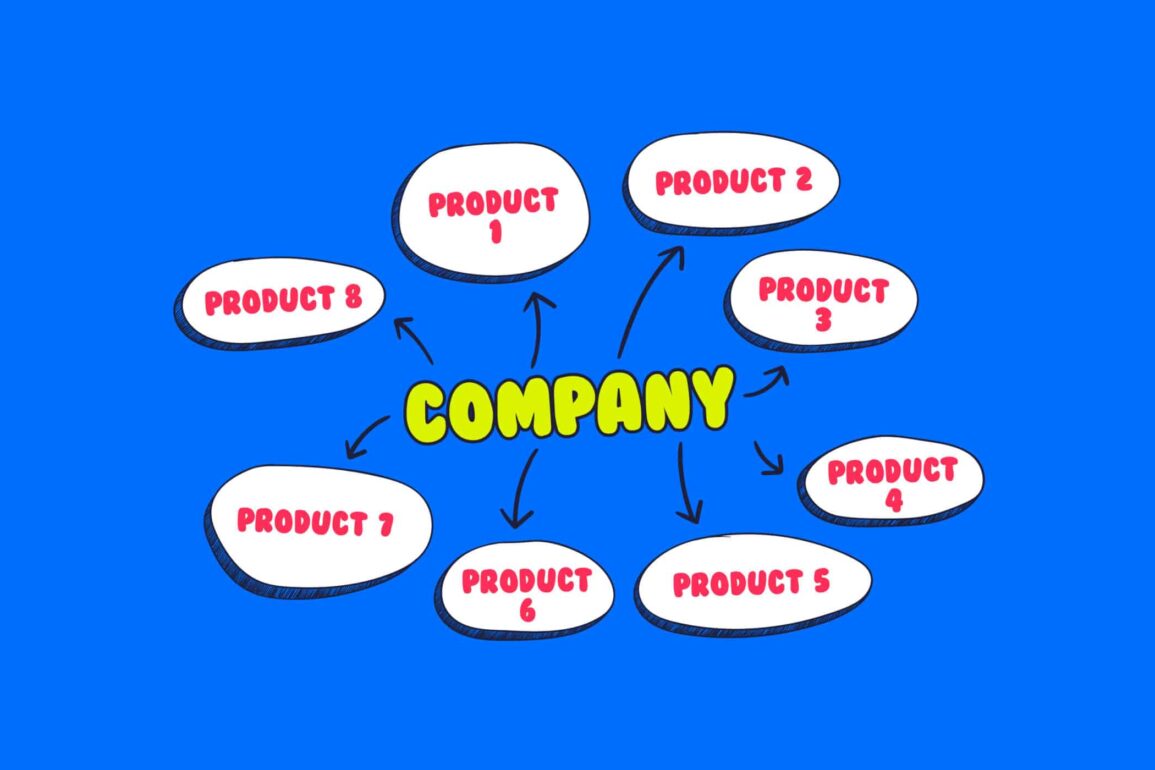
What is family branding and what makes it such a valuable strategy for modern companies? Simply put, a family brand, or family of brands involves using a single brand name to market multiple related products to a specific audience. With family branding, otherwise known as “umbrella branding”, companies produce a variety of different items under […]

How do you start a fitness clothing line? Now could be the perfect time to get started. If you have a passion for apparel and sports, you can create a lucrative business in the fitness apparel landscape. Sports clothing is gaining popularity at a phenomenal speed. In 2022, the “gym apparel” market was valued at […]

The Starbucks brand positioning strategy is an excellent example of how companies in virtually any industry can become giants with the right branding. Brand positioning captures a place in your customer’s mind as the ideal solution to a specific problem. Through careful positioning, Starbucks has created a name for itself as a company committed to […]
The retail landscape is more competitive than ever, particularly now that the popularity of ecommerce experiences has exploded. If you want to stand out in a $32.8 trillion market, the first thing you need is the right retail branding strategies. After all today’s retailers aren’t just vendors distributing products to customers, they’re valuable partners who […]