
How to create brand guidelines people actually use

Here’s the uncomfortable truth: most brand guidelines are beautifully crafted documents that nobody reads. They sit in shared folders, gathering digital dust while teams scramble to remember “what shade of blue are we supposed to use again?” or “how exactly should we describe our services?”
The problem isn’t that companies don’t value brand consistency. It’s that traditional brand guidelines are built for admiration, not application. They’re too theoretical, too rigid, or simply too divorced from the daily reality of getting work done.
But what if your brand guidelines could actually guide? What if they became the go-to resource that teams reach for instinctively, not reluctantly?
Creating brand guidelines that people genuinely use requires shifting focus from what you document to how people will interact with that documentation. This practical brand guidelines framework emphasises usability over perfection.
Here’s how to create brand guidelines that work in the real world, following brand guidelines best practices that ensure long-term success.
Why most brand guidelines go unused
Before diving into solutions, it’s worth understanding why so many brand guidelines fail to achieve their basic purpose. The issues typically fall into three categories, each stemming from a fundamental misunderstanding of how people work.
Overly theoretical
Traditional brand guidelines often read like academic dissertations about brand essence and philosophical positioning. They’re heavy on conceptual frameworks but light on practical direction.
When someone needs to quickly check the correct logo usage for a presentation, they don’t want to wade through three pages about brand personality archetypes.
Effective brand guidelines prioritise actionable information over abstract theory. The best brand guidelines examples demonstrate clear, immediate value rather than theoretical concepts.
Save the deep brand philosophy for strategy documents and focus guidelines on helping people make better decisions faster.
Poor accessibility
Many brand guidelines exist as static PDFs that require hunting through multiple sections to find specific information. There’s no search function, no quick navigation, and certainly no way to grab just the colour palette without downloading a 50-page document.
Modern teams work across different platforms, devices, and contexts.
Making brand guidelines accessible means they need to work like the digital tools people use every day, not locked away in formats that worked well in 2005. Accessible brand guidelines integrate seamlessly into existing workflows.
The Design Council has long advocated for design systems that support wider social and economic outcomes, demonstrating how well-structured brand guidelines contribute to organisational success beyond just visual consistency.
Lack of relevance
Perhaps most damaging is when brand guidelines fail to address the actual challenges teams face. They specify logo placement to the pixel but ignore how to maintain brand voice in customer service emails. They provide extensive colour theory but no guidance on social media content.
Usable brand guidelines anticipate real-world scenarios and provide specific solutions for the situations teams encounter most frequently.

The principles of usable brand guidelines
Creating effective brand guidelines requires adopting three core principles that prioritise adoption over perfection. These principles transform guidelines from reference documents into practical tools that shape daily decision-making.
Keep them clear and concise
Every element in your brand guidelines should pass the “quick reference” test. Can someone find what they need in under 30 seconds? If not, it’s too complicated.
This means leading with visual examples, using bullet points instead of paragraphs, and organising information by how frequently it’s needed rather than logical hierarchy.
The most-used elements (logos, colours, fonts) should be immediately accessible, while detailed specifications can live in secondary sections.
Clear doesn’t mean simplistic. It means removing barriers between people and the information they need.
Make them practical and actionable
Replace vague directives like “maintain brand consistency” with specific instructions like “use Helvetica Neue Light for body text, minimum 14pt size, never in caps for paragraphs longer than one sentence.”
Include “do and don’t” examples that show common mistakes alongside correct usage. When someone sees exactly what not to do, they’re far more likely to get it right the first time.
Visual identity guidelines work best when they show rather than just tell.
Most importantly, provide design systems and templates that make following the guidelines easier than ignoring them. The Federation of Small Businesses emphasises how practical templates can help smaller teams maintain professional brand standards without extensive design resources.
Design them for real-world use
Your brand guidelines should reflect how your teams work in the real world, not how you wish they worked. If most content gets created on mobile devices, your guidelines need to work on mobile. If multiple departments need access, consider different entry points for different user types.
Think about context too. Someone creating a social media post has different needs than someone designing a trade show booth. Effective brand guidelines acknowledge these differences and provide relevant guidance for each scenario.
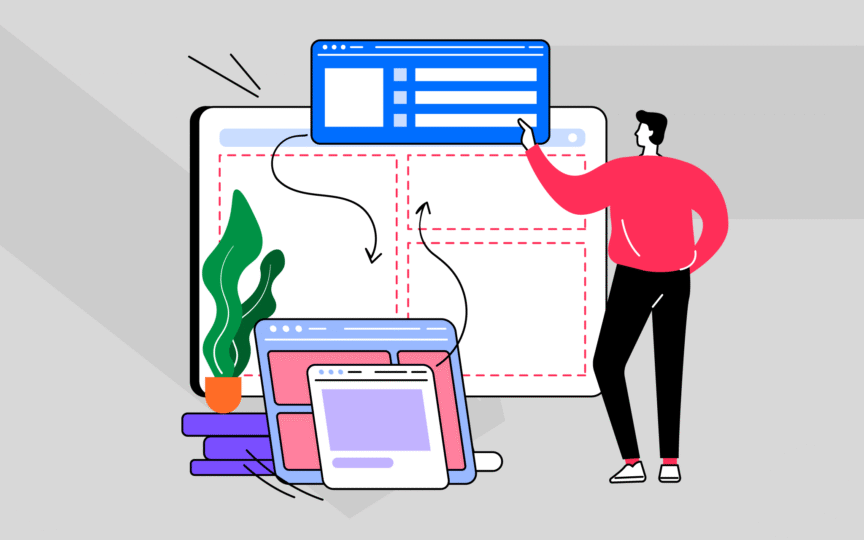
Step-by-step: How to create brand guidelines people can use
Now for the practical part. Here’s a step-by-step brand guidelines framework for building brand guidelines that teams will reach for when they need direction.
Start with your brand strategy
Before documenting how your brand should look and sound, you need clarity on what your brand stands for and where it’s going. Your brand strategy provides the foundation that makes all other decisions logical and consistent.
This doesn’t mean including your entire strategy document in your guidelines. Instead, distil your strategy into clear, memorable principles that help people make brand-aligned choices. If your brand values authenticity, show what authentic communication looks like in practice, not just in theory.
Your brand strategy should inform every guideline decision, from colour psychology to tone of voice examples.
Include both visual and verbal identity
Many brand guidelines focus heavily on visual elements while treating verbal identity as an afterthought. This creates a lopsided brand experience where everything looks consistent but sounds scattered.
Your verbal identity deserves the same detailed attention as your visual identity. Include specific tone of voice guidelines, key messages, and communication principles. Provide brand guidelines examples of how to adapt your voice for different channels and audiences.
Show how visual identity guidelines and verbal elements work together to create cohesive brand experiences. When someone sees how a particular colour palette reinforces your brand personality, they’re more likely to use both correctly.
Add tools, templates, and examples
This is where most brand guidelines fall short. They tell people what to do but don’t give them the means to do it easily.
Create template libraries for common needs: social media posts, presentation slides, email signatures, and document headers. Provide downloadable assets in formats people use, not just what’s technically perfect.
Include real examples from your own brand application, showing guidelines in action across different contexts and mediums.

Like what you’re reading?
We write about branding when we have something worth saying. No schedule. Just substance.
Encouraging adoption across teams
Having great guidelines is only half the battle. The other half is ensuring team adoption of brand guidelines through proper introduction and ongoing support.
Involve stakeholders early
Don’t create brand guidelines in isolation and then expect enthusiastic adoption. Include key stakeholders from different departments in the development process. When people have input into creating guidelines, they’re far more likely to follow them.
This also helps ensure your guidelines address real needs rather than theoretical scenarios. A salesperson will spot communication challenges that a designer might miss, while a social media manager understands content creation pressures that executives don’t face.
Early involvement transforms guidelines from imposed rules into collaborative tools.
Train and onboard your people
Even the most intuitive brand guidelines need proper introduction. Plan dedicated training sessions that go beyond just presenting the guidelines. Show people how to apply them in their specific roles and responsibilities.
Create different onboarding experiences for different user types. A new marketing hire needs different guidance than someone in customer service, even though both need to understand your brand.
Follow up regularly, especially in the first few months after launch. Address confusion quickly before it becomes ingrained habit.
Make guidelines dynamic, not static
Static PDF guidelines become outdated the moment your brand evolves. Instead, create living guidelines that can be updated, expanded, and improved based on real-world feedback.
Consider digital platforms that allow for easy updates, better organisation, and improved accessibility. Your brand guidelines should evolve with your brand, not constrain it. Modern brand governance requires flexible, updateable systems.
Regularly review how people are using the guidelines and adjust based on their needs. If everyone’s asking the same question, it’s probably missing from your documentation. This iterative approach to how to create brand guidelines ensures they remain relevant and useful.

Real-world examples of effective guidelines
Different industries face unique challenges when it comes to brand application, but the principles of usable guidelines remain consistent across sectors.
Tech and software companies
Technology brands often need guidelines that can scale rapidly across multiple products, markets, and use cases. Effective brand guidelines in this sector focus on modular design systems and templates that maintain brand consistency while allowing flexibility.
They typically emphasise digital-first applications, with detailed guidance on UI elements, app icons, and responsive behaviour. The best tech brand guidelines include extensive template libraries and often integrate directly with design and development workflows, creating seamless brand governance processes.
These companies understand that their guidelines need to work at startup speed while maintaining enterprise-level consistency. Their practical brand guidelines approach prioritises speed and scalability without sacrificing brand integrity.
Healthcare and life sciences
Healthcare brands operate in highly regulated environments where clarity and trust are paramount. Their most effective brand guidelines focus heavily on accessibility, readability, and compliance requirements.
These guidelines often include specific protocols for patient-facing communications, regulatory documentation, and crisis communication. They balance the need for human warmth with clinical authority, providing detailed brand guidelines examples of how to achieve both in practice.
The best healthcare brand guidelines anticipate the ethical and regulatory challenges teams face, providing clear direction for navigating complex situations while maintaining brand integrity. Their approach to how to create brand guidelines prioritises patient safety and regulatory compliance above aesthetic preferences.

The future of brand guidelines
Brand guidelines are evolving beyond static documents toward dynamic, interactive experiences that integrate with the tools teams use every day. This evolution represents a fundamental shift in brand governance and accessibility.
Digital brand portals are becoming the standard, offering searchable databases, downloadable assets, and real-time updates. These platforms can track usage, identify gaps, and provide analytics on what content gets used most frequently. They transform traditional brand guidelines into living, responsive resources.
Modular approaches allow teams to access just what they need when they need it, while maintaining connections to broader brand principles. Instead of downloading entire guideline documents, users can pull specific colour palettes, copy templates, or approval workflows. This modular thinking reflects current best practices in how to create brand guidelines.
Accessibility is driving innovation too. Voice-activated brand guidance, mobile-optimised interfaces, and integration with design software are making brand guidelines more inclusive and easier to use across different work styles and abilities. These advances in making brand guidelines accessible benefit everyone, not just those with specific needs.
The most forward-thinking brands are treating their guidelines as products in their own right, with user experience principles, feedback loops, and continuous improvement cycles. They apply the same rigour to their brand governance tools as they do to customer-facing products.
Smashing Magazine’s design systems resources demonstrate how modern brands are building comprehensive, scalable systems that go far beyond traditional static documents.

From dusty PDFs to living playbooks
The difference between brand guidelines that gather dust and those that guide daily decisions comes down to one simple question: are they built for the people who need to use them?
Too many guidelines are created as monuments to brand perfection rather than practical tools for brand application. They prioritise completeness over usability, theory over practice, and control over collaboration. Understanding how to create brand guidelines that avoid these pitfalls is essential for long-term brand success.
Here’s what actually works:
- Start with clear brand strategy that provides logical foundation for all decisions.
- Keep guidelines concise and action-oriented, not exhaustive and academic.
- Design for real-world usage patterns, not idealised workflows.
- Include both visual identity guidelines and verbal identity with equal attention and detail.
- Provide design systems and templates that make compliance easier than non-compliance.
- Involve stakeholders in creation to ensure relevance and encourage team adoption of brand guidelines.
The best brand guidelines don’t just document your brand—they actively help it come to life in every interaction, every communication, and every decision your teams make. Because guidelines that guide, not gather dust, are the ones that build stronger brands.
Ready to create brand guidelines that work as hard as your team does? Get in touch to discover how Fabrik can help you build guidelines that people actually use.
Explore more insights on brand foundations: