










Housing association stakeholder research: What to ask, who to ask, and why it matters

A brand is only as strong as the people who believe in it. For housing associations, this truth runs deeper than most sectors—your brand isn’t just seen, it’s lived in, worked within, and depended upon daily.
Branding isn’t a one-way broadcast. It’s a conversation that shapes how residents, staff, partners, and communities connect with your purpose. Yet too many housing associations approach rebranding as an internal exercise, missing the voices that matter most.
This article delivers practical guidance on housing association stakeholder research. You’ll discover who to engage, what questions unlock genuine insight, and how to transform tenant feedback into brands that build trust and relevance.
Why stakeholder research matters in housing association branding
Stakeholder research forms the foundation of trust and clarity in any rebrand. But only when it’s done well.
Without proper stakeholder engagement, even the most visually striking rebrand can fall flat. You risk creating a brand that looks polished but feels disconnected from the people it serves. Worse still, you might face backlash from communities who feel unheard in the process.
Branding with blind spots
Skipping the research phase creates dangerous gaps. Internal teams often hold assumptions about what residents want or how partners perceive the organisation. These assumptions, however well-intentioned, rarely reflect reality.
Consider the risks: a rebrand that alienates long-term tenants, messaging that contradicts lived experience, or visual identity that feels corporate rather than community-focused. Poor stakeholder engagement leads to poor brand fit—and low tenant engagement when you need support most.
The cost isn’t just reputational. Failed rebrands require additional investment to correct, damage staff morale, and erode the trust that housing associations depend on to deliver vital services.
Creating brands with, not for
The alternative transforms your approach entirely. When stakeholders help shape your brand, they become invested in its success.
Residents who contribute to your values development feel ownership over the outcome. Staff who share insights during research become ambassadors for change.
This collaborative approach builds credibility from the ground up. It ensures your brand reflects genuine experience rather than wishful thinking. Most importantly, it creates values-based branding that resonates because it emerges from real voices and authentic needs.

Who should you speak to?
Think beyond tenants when planning branding research. Great insight comes from mapping your complete ecosystem first.
Mapping your stakeholder ecosystem
Your stakeholder groups intersect and influence each other in complex ways. A comprehensive approach ensures you understand these relationships and how your brand touches different audiences. Miss a key group, and you miss crucial perspective.
Internal teams and leadership
Your people hold the most detailed understanding of what works and what doesn’t.
Front-line staff interact with residents daily. They hear frustrations, celebrations, and suggestions that never reach senior management. Executive teams and board members bring strategic perspective and operational insight.
Internal alignment during research ensures smoother implementation later. When leadership and staff contribute to brand development, they understand the reasoning behind decisions. This builds stronger messaging consistency and reduces resistance to change.
Don’t forget different departments bring different viewpoints. Maintenance teams understand practical service delivery. Community engagement staff know local priorities. Finance teams grasp resource constraints that shape what’s possible.
Residents and communities
Tenants aren’t one homogeneous group. Your research must reflect the diversity of age, background, mobility, and experience within your communities. Single approaches—like online surveys—exclude voices that matter.
Focus on inclusion from the start. Consider language barriers, digital access, and physical accessibility when planning community consultation.
Some residents prefer face-to-face discussion. Others want anonymous feedback options. Many need flexible timing around work or caring responsibilities.
Remember that different housing types create different relationships with your brand. Sheltered housing residents have different needs from family accommodation tenants. Shared ownership customers bring different expectations from social renters.
Your research should capture these variations.
Partners and delivery organisations
Your brand touches contractors, care providers, local authorities, and community organisations. Their perspective shapes how your services are perceived and delivered. They often bridge the gap between your organisation and the wider public.
Partners can provide valuable insight into how your brand compares to other housing associations. They understand what works well in collaborative relationships and where improvement might strengthen service delivery.
Their views help align brand promises with operational reality.
Don’t overlook suppliers and professional advisors either. They bring external perspective on your organisation’s reputation and positioning within the sector. This insight helps ground internal perceptions in market reality.

What questions should you ask?
Good insight comes from good questions. Not just logo preferences or colour choices, but deeper exploration of values, perception, and emotional connection.
Designing effective research questions
Generic research templates rarely work for housing associations. Your questions need to reflect the unique relationships and responsibilities that define your sector. They should encourage honest feedback while building understanding of what’s possible.
Effective branding research goes beyond surface-level preferences. Smart stakeholder questions dig deeper into motivations, aspirations, and authentic experience. This insight-led branding approach creates stronger foundations for rebranding housing associations.
Values, perception, and emotional connection
Start with what people feel about your organisation rather than what they think about your services. Emotions drive behaviour and shape how people interpret everything else you do.
Ask open questions that reveal authentic perspective:
- “What three words describe us?”
- “What do we stand for?”
- “What could we do better?”
- “How do you feel when you think about this organisation?”
- “What makes you proud to be connected to us?”
These prompts uncover the gap between intended brand and experienced reality. They reveal language that resonates and highlight areas where perception doesn’t match aspiration. Most importantly, they show you what matters most to different stakeholder groups.
Don’t shy away from difficult topics. Ask about past frustrations alongside current strengths. Understanding what went wrong builds credibility and shows you’re serious about improvement.
Looking forward, not back
Balance reflection with aspiration. Ask stakeholders what they want from future services and identity, not just feedback on past performance. This shifts the conversation from criticism to collaboration.
Forward-looking questions might include:
- “What would success look like in five years?”
- “How should we be different from other housing associations?”
- “What matters most as we grow and change?”
- “What would make you feel excited about our future?”
This approach encourages stakeholders to think beyond current limitations. It reveals shared ambitions that can drive brand development. It also helps identify tensions between different groups’ priorities, allowing you to address these thoughtfully in your housing association brand strategy.

From insight to implementation
Research is meaningless without action. The transition from insight gathering to brand development requires careful analysis and clear communication back to participants.
Turning research into action
Too many organisations collect feedback but struggle to synthesise it into actionable direction. The key lies in finding patterns rather than chasing individual comments, then sharing outcomes transparently with everyone who contributed.
Finding themes, not chasing every comment
Effective analysis clusters insights to reveal underlying themes and priorities. Look for repeated words, shared concerns, and common aspirations across different stakeholder groups. These patterns matter more than individual outliers or internal politics.
Create categories that make sense for your organisation. You might group feedback by service areas, stakeholder types, or strategic priorities. The goal is finding signal within noise—the core insights that should drive brand decisions.
Be wary of giving disproportionate weight to the loudest voices. Quiet stakeholder groups often provide the most valuable perspective. Balance frequency of mention with strategic importance when prioritising themes.
Document conflicting viewpoints rather than smoothing them over. Tensions between stakeholder groups reveal important choices your brand needs to address. Acknowledging these honestly builds more robust brand strategy.
Sharing outcomes and acting on input
Communicate what’s changing and why based on the research you’ve conducted. This closes the feedback loop and builds trust for future engagement. People need to see their contribution mattered.
Share key themes you discovered, explaining how they’ll influence brand development. Be specific about what will change and what constraints limit other options. Honest communication about trade-offs builds understanding rather than unrealistic expectations.
Consider different communication methods for different stakeholder groups.
Staff might prefer team meetings with detailed discussion. Residents might want newsletter updates with clear summaries. Partners might value one-to-one conversations about implications for joint working.
Set expectations about timing and next steps. Brand development takes time, but people appreciate knowing what happens next and when they’ll see results.
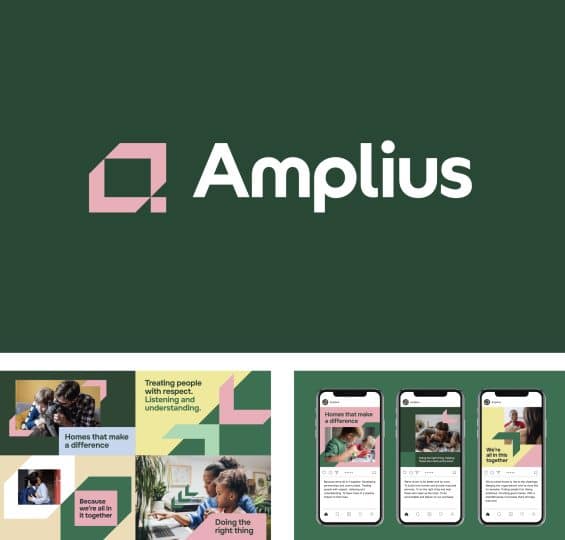
Case study: Amplius
Our work with Amplius demonstrates how comprehensive stakeholder research shapes credible brands in complex, regulated sectors.
We gathered input from residents, housing teams, staff, and community partners to understand how the brand needed to work across multiple audiences.
The research revealed tensions between regulatory compliance and community accessibility, with each stakeholder group prioritising different aspects of the company’s identity.
By mapping these perspectives systematically, we developed brand strategy that balanced competing needs without compromising core values.
This mirrors challenges housing associations face daily. You must balance leadership vision with resident voice, regulatory requirements with community trust, operational efficiency with personal service.
Thorough stakeholder research provides the foundation for brands that navigate these complexities successfully.

Research-led branding builds relevance and trust
The most impactful housing association brands begin with listening. They emerge from genuine understanding of what matters to the people they serve, work with, and depend upon for success.
Strong housing association stakeholder research leads to stronger alignment between different groups’ needs and expectations. It creates clearer messaging that reflects shared values rather than internal assumptions.
Most importantly, it builds brands that people believe in because they helped create them.
When housing associations invest in proper stakeholder engagement, they don’t just get better brands—they get stronger relationships with everyone who makes their work possible.
The research process becomes the first step in ongoing dialogue that strengthens community connection and organisational effectiveness.
Ready to shape a housing association brand that truly reflects your community? Talk to us about housing association stakeholder research that inspires action.
Now read these:
—Future-proof your housing association strategy
—Navigating a housing association brand merger
—How to refresh your housing association brand
—A stronger local identity for wider recognition
—Strengthen your brand through ESG alignment

Clarity starts with a conversation.
Thanks—we’ll get back to you shortly.
Whether you're navigating a rebrand, merger, or simply need a clearer identity—we’re here to help. No hard sell, just honest advice from people who know the sector.
Let’s start with a simple question…
Prefer to email? Drop us a line.
Fabrik’s been helping organisations rethink and reshape their brands for over 25 years. We’ve guided companies through mergers, rebrands and new launches. Whatever stage you’re at, we’ll meet you there.
