
Naming a product: Strategies, secrets and sensational ideas
Naming a product is one of the most complicated parts of the marketing mix.
Whether you’re naming a product line or looking for a moniker to suit your flagship offering, you’ll need the ideal blend of creativity and technical knowledge to succeed.
One of the things that makes product naming so complicated is that your choices can be driven by both right and left-brain thinking, as well as emotion and logic, function and aesthetics, and so much more.
While there are countless simple and descriptive names out there like “Dry Erase Marker,” there are also plenty of names like Berocca or Mars Bar too.
So, when naming is so ambiguous, how do you know that you’re on the right track?
Just like painting a masterpiece or writing music, the naming process is a highly organic endeavor, which means there’s no one-size-fits-all strategy for everyone.
Some companies need weeks of brainstorming to find the perfect title, while others are struck by inspiration on a rainy day.
The good news is that just because you can’t fabricate the right conditions for effective naming, doesn’t mean you can’t take steps to improve your chances of choosing the correct title when you’re ready.
In today’s article, we’re going to provide help naming a product that’s only available from a specialist in naming conventions.
Let’s get down to business.

Help naming a product: Why are names so complex?
No-one can tell you what the ideal name for your new product is.
However, there are plenty of marketing and branding experts out there to inform you of the various criteria a name needs to meet to be successful. For instance, next-level names need to be memorable, timeless, unique, inspiring, emotional and transferrable.
That’s a lot for your brainstorming session to live up to.
The complexity involved in naming a new product is why corporations have spent decades turning to creative companies and agencies for their help.
Way back in 1955, the iconic Ford Motor Company was so desperate to make the name of their new car a work of art, that they hired a modernist poet called Marianne Moore.
Moore submitted dozens of inspiring names to join over 300 titles that had already been suggested by Ford’s internal marketing department, including “Utopian Turtletop” and “Varsity Stroke.” Despite all this work, in the end, the name for the new car came from Henry Ford’s son, Edsel.
Ultimately, there may not be a one-size-fits-all strategy for naming a product, but there are a few crucial principles worth following. For instance:
- Names must be easy to read and write: If your name is hard to pronounce or type, then people won’t talk about it. That’s the last thing you want in today’s era of online sharing.
- Names must be unique: It’s tough to differentiate yourself in a crowded marketplace if even your product names remind customers of someone else.
- Names must be short and memorable: The longer and more complex your title is, the harder it will be to remember.
- Names must look and sound good: Your product names should feel like a natural part of a sentence, whether written on a piece of paper or spoken out loud.
- Names must be evocative: Your names must make customers feel a certain way or think about something. How do you want people to respond to your products? Put that into your naming process.
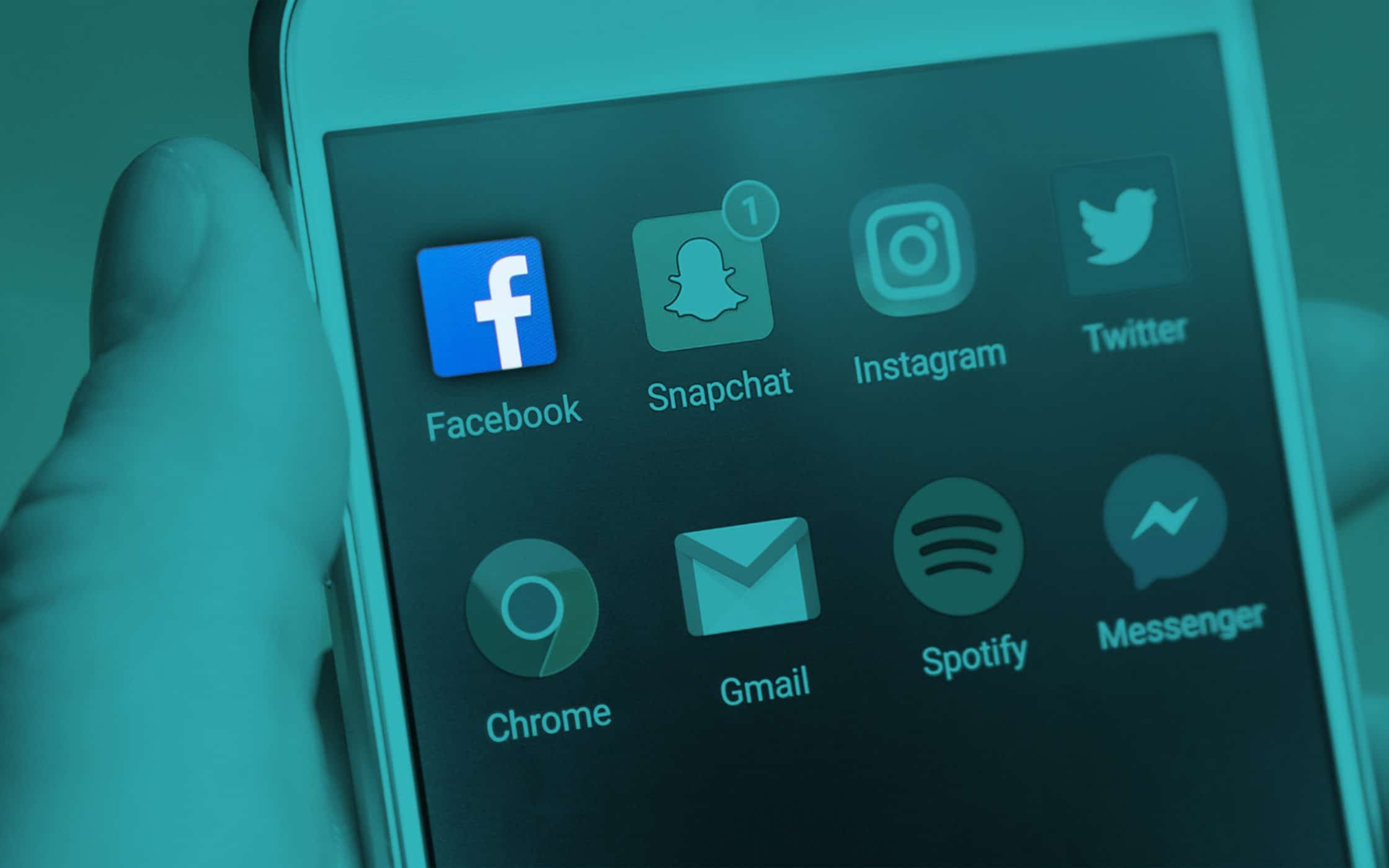
The principles of naming a product: Insights from Facebook
One of the easiest ways to improve your chances of success with a creative process like naming is to ensure that you have criteria for naming a product in place before you get started.
The principles mentioned above are essential, but some companies also decide to layout their own specific rules in something called a “brand naming architecture.”
Your brand naming architecture dictates the guidelines that you should follow whether you’re naming a new product, a marketing campaign, a social media profile or even a sub-brand connected to your corporation. For instance, Facebook offers a fantastic insight into their naming strategies in their brand manifesto.
Whenever the social media giant needs to come up with a new name, it follows 5 guiding principles:
- Use as few names as possible: Facebook believes that keeping a language system clean and concise is crucial for both internal and external communication. Since additional product names place greater cognitive loads onto users, Facebook only comes up with new names when they have to.
- Name like things alike: Additionally, Facebook believes that similar tools or pieces of software should have similar names. By using the same concepts and naming strategies for corresponding offerings, Facebook makes naming a product line easier.
- Maintain the brand voice: Facebook knows that consistency is critical when creating a compelling brand. This means that they keep things simple by maintaining their brand voice, avoiding hyperbole and eliminating jargon.
- Choose timeless names: Just like many companies in the digital space, Facebook’s products and services are continually evolving. This means that if they need to stick to the same principles of naming a product as their business transforms and look for names that will continue to be relevant in the long-term. Trending words and “in-the-moment” ideas rarely work well for product names.
- Think globally: Finally, Facebook is a global service that appeals to people all around the world. Facebook makes sure that they always include an “internationalisation” team on their board to prevent names from getting lost in translation. This helps to maintain Facebook’s reputation, and give all their customers a better online experience.
Naming a product: Separating the good from the bad
Creating a list of specific criteria for naming a product doesn’t guarantee you the same success or profit margin as Facebook, but it does mean that you’ll have a set of guidelines in place to improve your chances of resonating with your target audience.
After all, before you can launch your product and start developing an audience of dedicated customers and brand ambassadors, you need a name for them to get behind.
Once you’ve invested significant time and effort into creating something sensational, not just any name will do. Your title needs to make an impact whenever someone sees or hears it.
Here are some tips for naming a product to keep your creative sessions on the right track.
1. Gather any useful information
When you’re first getting started with naming a new product, the more guidance you have, the more confident you’ll feel. Start by thinking about your audience, how they speak and what kind of words they use. What would they expect to see if they were looking at a product like yours on a supermarket shelf?
With your user personas in mind, make a few notes that highlight the purpose of your product or service. Which problems does it solve, and what kind of benefits does it offer?
With these key concepts in mind, begin to create a list of buzzwords, synonyms, descriptive words and slang terms that seem to correspond with what you’re trying to develop.
2. Determine your naming strategy
After the initial brainstorming session is over, you can think more carefully about your criteria for naming a product, and the architecture you want to use to define your brand. Brainstorming is all about creating a flow of creativity with your team members.
The strategy stage is where you’ll determine how you’re going to separate the “potential” titles from the ones that aren’t right for your identity.
For instance, you might decide that you want a descriptive name, like Apple with their iPad, or iPhone. On the other hand, you might want a creative name like Frito-Lay with their “Doritos” tortilla chips.

3. Play with language
Your naming strategy will give you rules to follow as to the kind of titles you want to create. This will help you to determine how much you can play with your words to make your name as original as possible. For instance, you might use strategies like:
- Alliteration: Using words with the same sounds or letters.
- Rhyme: Think of “FitBit” for example.
- Onomatopoeia: Words that sound like the thing they’re describing.
- Metaphor: Words that help to define the item without being obvious, like the Burger King Whopper.
Ideally, it’s best to avoid acronyms in most industries. People often get confused when they’re presented with a random assortment of letters, and they may not remember your full name if it’s too long when spelled out.
4. Always do your due diligence
Finally, your product names are a crucial part of your brand reputation. Even if you decide to change specific names over time, people will still judge you by the words you choose to represent yourself and your offerings. With that in mind, make sure you do your homework before you commit to anything. Ask yourself:
- How does the name look in our brand colours or font?
- Is the name available (copyright and trademark)?
- Is there a product with a similar name that might confuse the audience?
- Does the name mean something else in a different language?
Although you may be eager to stick with a product name after you and your team have fallen in love with something, remember that you need to do your research to ensure that your title is sustainable.
Like what you’re reading?
We write about branding when we have something worth saying. No schedule. Just substance.
Naming a new product: Your simple success checklist
Ultimately, the principles of naming a product are complicated because everyone has their own idea of what the most critical aspects of naming are. One of the most crucial things you’ll need to realise before you get started is that both products and companies are like people.
When you begin naming a product line or new offering, you’ll notice that just like your brand, your products have their own individual identities and personalities.
It’s your job as a business leader to make sure that you’re naming a product something that conveys its value and potential to your target audience. This isn’t a trivial task. You’re going to need to put some time and effort into getting the right results.
However, if you’ve done the hard work and now you’re just looking for the final seal of approval that tells you you’ve covered all your basis, the following naming checklist will help. Make sure you can tick all these boxes before you move to the next stage in your product launch.
Getting started:
- Have you started early enough? Naming a product is a tough process, and the last thing you want is to be rushed by a last-minute deadline. Panic isn’t a good motivator for creativity.
- Do you have a diverse team on board? The more personalities and perspectives you can bring into your brainstorming session, the more likely it is that you’ll come up with something truly creative.
- Do you understand the product you’re naming? What’s the item’s positioning in the current market? Who’s the target audience you’re aiming to address? What’s the value proposition?
Evaluating names:
It isn’t enough to start naming a product based on words that you like and dislike. You’ll need some basic criteria in front of you to support your evaluation, such as:
- Appearance: Does it look good online, or printed on a page? Is it easy to spell? How will it look on a package or billboard?
- Depth: Does the name mean something special? Will your customers associate it with something relevant?
- Energy: Does the name have life to it? Does it feel fun to say and do people enjoy repeating it?
- Relevance: Do you feel like the name and the product go well together? Even if it’s not a descriptive term, does it describe what the item does?
- Sound: How quickly can you pronounce your product name? Will it sound good when your customers talk about your business with their friends?
Ensuring sustainability:
Once you’ve gleaned some great ideas from your naming process, make sure that your favourite titles have what it take to stand the test of time. Check to see whether your preferred names are:
- Memorable: Show a list of your ten best names to your employees and ask them to tell you which ones they remembered after two minutes.
- Transferable: Will your name work across multiple platforms? Can you add it to a hashtag campaign or YouTube channel?
- Timeless: Does your name take advantage of the latest slang terms or trending words? If it does, it may not be timeless enough.
- Availability: Can you trademark your product names so that no-one else will be able to use them? Can you buy a domain name for the titles you choose?
- Unique: Does your name sound similar to anything else that’s available on the market?
- Emotional: When you’re naming a product, make sure that the title you choose has an emotional impact on your audience.
- Functional: Does the name you’ve chosen do its job successfully? I.e., does it describe and promote the thing you’re selling?
Tips for naming a product when you’re out of inspiration
As you can see from the checklist above, there are many things to consider when it comes to naming a new product. As the world becomes more saturated with new brands, technology, and ideas, there’s a good chance that the conventions around naming a product will change too.
You may even begin to add your own rules and criteria to our checklist, based on what you learn about your specific industry or the customers that you’re trying to connect with.
For most people, the best way to come up with a compelling name is to access the support of a professional naming company. However, if you’re not ready to take that route yet, the following tips might guide you when you’re out of inspiration.
1. Don’t expect to fall in love instantly
As we’ve mentioned in some of our other naming articles, your product titles will sometimes take time to “find their feet.” You might not instantly fall in love with the product names you choose.
The key thing to remember is that they should have the potential to make your customers fall in love. Focus on drawing an emotional reaction from your clients; your team can get used to your names later.
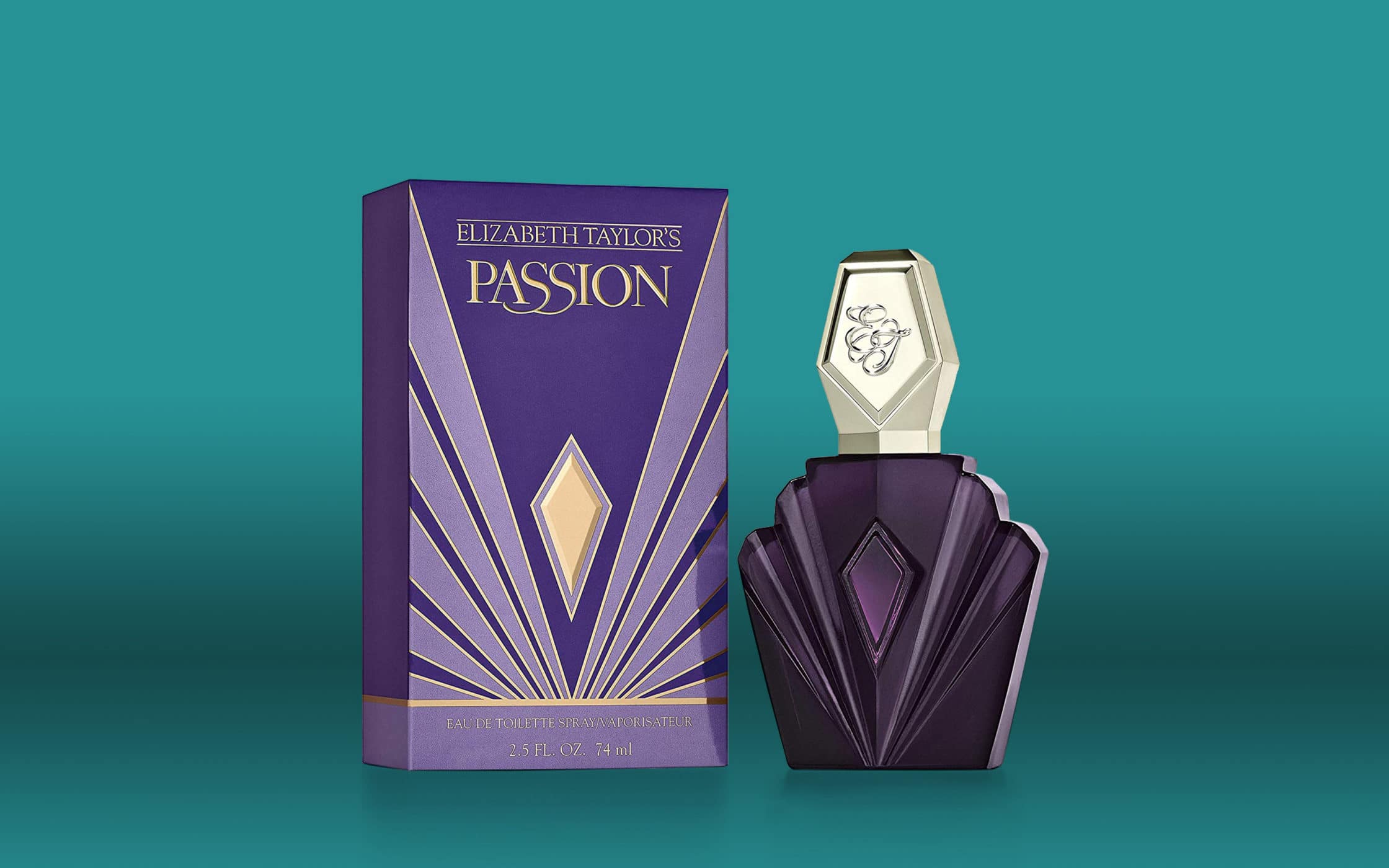
The fragrance industry is excellent at choosing evocative and emotional names like “Passion” or “Fahrenheit.” Try taking a leaf out of their book.
2. Name your product before your business
If you’re naming a product that’s going to help you launch your brand, then it makes sense to choose your product name first. By examining what you’re selling, who you’re advertising to, and what your customers need from your solutions, you may find that you have an easier time when it comes to finding a title for your company.
If you’re naming a product line, then you don’t necessarily have to do it before you choose a namefor your business. However, you should make sure that whatever titles you choose will work as part of a family.
When iRobot created their “Roomba” product, they initially planned to continue with the “ba” sound on their devices. For instance, the next release was the “Scooba.” Unfortunately, the organisation quickly ran out of ideas.
On the other hand, if you look at the Android operating system titles, they all have similar confectionary-based names.
3. Have the confidence to break the mould
Naming a new product is a complicated and often stressful process.
Choose the right term, and you have something that could potentially become an everyday part of your customer’s lexicon, spurring a future of word of mouth marketing and online buzz.
Unfortunately, if you go the wrong direction with your name by trying to be too creative too quickly, then you could end up damaging your brand for years to come.
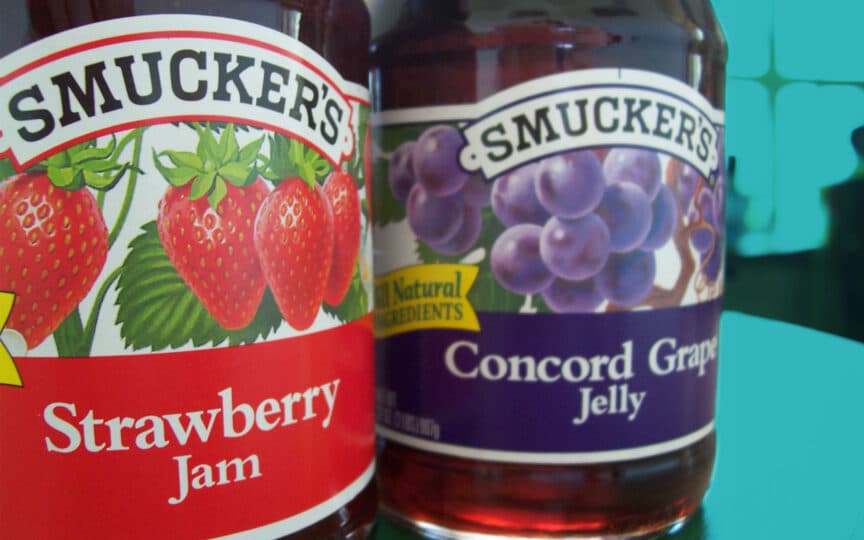
Though it can feel safer to copy the tried and tested methods of the companies that came before you, the best names are generally the ones that make a unique impact on your audience. For instance, “Smuckers” wasn’t a traditional name for a jelly (or jam) product, but today, the company has been in business for over 100 years.
Need help naming a product line?
Your product names are some of the most powerful marketing tools that you have.
A compelling title stays in the minds of your target audience and gives you the foundation you need to start building loyalty among your customers.
The only problem? There’s no ultimate strategy for choosing the right titles.
You can be funny or serious, descriptive or creative. You can even make up your own words. The most important thing you can do is consider your process carefully when naming a product.
Remember that waiting for a sudden thunderbolt of inspiration is rarely the right choice. Names can easily underwhelm when you first hear them.
Just look at Nike – one of the most recognised brands in the world. Only students of Greek mythology would have remembered the name Nike before 1964 when an athletic company came to infuse the title with emotion and potential.
If you need help naming a product, you don’t need to go it alone. Reach out to Fabrik today for support from the naming pros and discover how you can change the world of language as we know it.
Fabrik: A branding agency for our times.
While we have you here... If you need a brilliant brand name, and you want it today, head on over to the Fabrik NameStore. Browse our library, pick your favourite and grab yourself a ready-made brand name with a .com domain. Simple!
If you enjoyed this article, you might enjoy these too:
—How to come up with a brand name

The agency behind the thinking
Fabrik is a branding consultancy. We help businesses navigate change, build clarity, and create brands that work. Got a challenge? Let’s talk.