
Is your brand personality instantly memorable – or totally forgettable?

In a world where consumers are bombarded with thousands of marketing messages daily, your brand personality is either making waves or barely causing a ripple. Let’s be brutally honest – most brand voices sound like they’ve been drafted by a committee, sanitised by legal, and stripped of anything remotely interesting.
The result? A sea of corporate sameness that’s about as memorable as yesterday’s weather forecast. So which side of the fence are you on – distinctively delightful or decidedly dull?
Why brand personality matters more than ever
The marketplace isn’t just noisy; it’s a cacophony of brands all shouting for attention. In this environment, a distinctive brand personality isn’t just nice to have – it’s your ticket to being heard above the din.
When everyone zigs with corporate speak, the brands that zag with authentic personality create genuine cut-through.
The business case for personality-led branding
Before the creative types get too excited, let’s talk bottom line.
A strong brand personality isn’t just about being quirky for quirkiness’ sake – it delivers tangible business benefits:
- Brands with distinctive voices create stronger memory structures, making them more recognisable and shareable (hello, free marketing).
- Personality creates emotional connections – and emotions drive purchasing decisions far more than logic ever will.
- It cuts through category conventions, particularly valuable in traditionally ‘serious’ sectors like finance, insurance, or B2B technology.
- A well-defined verbal identity gives everyone in your organisation guardrails for consistent, on-brand communication.
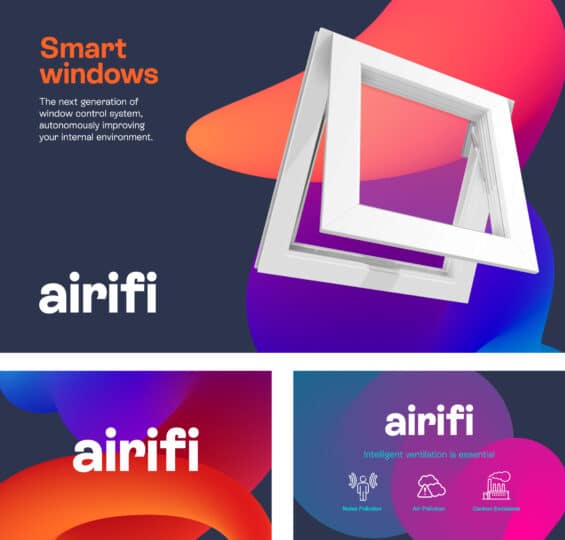
Take Airifi, for example. When Fabrik developed their product naming and verbal identity, we ensured their brand personality reflected their innovative approach to wireless technology – resulting in memorable brand communication that stands out in a crowded tech marketplace.
Warning signs your brand personality is falling flat
Think your brand voice is fine? Perhaps. But ‘fine’ is the enemy of memorable.
Here are the red flags that suggest your brand personality might be in need of resuscitation:
Generic and jargon-filled
If your website, social posts or brochures are stuffed with phrases like ‘innovative solutions’, ‘best-in-class’, or ‘customer-centric approach’, you’re swimming in the same tepid pool as thousands of other brands.
Corporate waffle and meaningless buzzwords are the beige wallpaper of brand communication – present but entirely unremarkable.
Inconsistent across channels
Monday’s LinkedIn post sounds like it was written by a university professor. Tuesday’s Instagram caption could’ve come from a teenager. Wednesday’s customer email has the warmth of an automated parking ticket.
Sound familiar? When your brand personality has multiple personalities, you’re not just confusing your audience – you’re diluting your impact.
Sounds like everyone else in your sector
Financial services brands all talk about ‘solutions’ and ‘partnership’. Tech companies are universally ‘disrupting’ and ‘transforming’. Universities are all ‘world-leading’ and ‘excellence-driven’.
When your messaging could be copy-pasted onto a competitor’s website without anyone noticing, you’ve got a personality deficit.
Our work with Touching Distance demonstrates how distinctive tone of voice can elevate a brand above sector clichés.
Their focused brand storytelling breaks away from typical industry language, creating genuinely refreshing brand language that resonates with their audience.
If you’re nodding along to any of these, don’t panic – but do consider it might be time for a refresh…

What makes a brand personality stand out?
Let’s flip the script and look at what makes certain brands leap off the page (or screen) and lodge themselves in our consciousness:
Clarity and confidence
The most compelling brand voices don’t hide behind complexity or verbosity. They say more by saying less. They speak like actual humans, not corporate entities. They have the confidence to use straightforward language that resonates rather than impresses.
Character (without being cringey)
There’s a fine line between personality and parody. The best brand voices inject character – whether that’s through humour, unexpected observations, or a distinctive point of view – without veering into try-hard territory.
They understand their audience and what will resonate with them.
When Fabrik developed the Caripod product naming for Seraphine, we crafted a copywriting style that balanced playfulness with practicality – perfect for busy parents who want products that make life easier without sacrificing style.

Consistency across all touchpoints
A great brand personality isn’t just for the big campaign moments – it flows through everything from advertising headlines to 404 error messages, from sales presentations to out-of-office replies.
This consistency builds recognition and trust over time.
Like what you’re reading?
We write about branding when we have something worth saying. No schedule. Just substance.
Brand voice examples that break the mould
Theory is all well and good, but what does a distinctive brand personality actually look like in practice?
Here are a few brands that have carved out unmistakable verbal identities:

Oatly
Oatly transformed a potentially dull product category (plant milk) with a voice that’s conversational, self-aware, and occasionally philosophical.
Their packaging doesn’t just list ingredients – it riffs on consumerism, environmental impact, and the oddity of drinking milk as adults.
It’s confident enough to poke fun at itself and the industry it’s disrupting.
Monzo
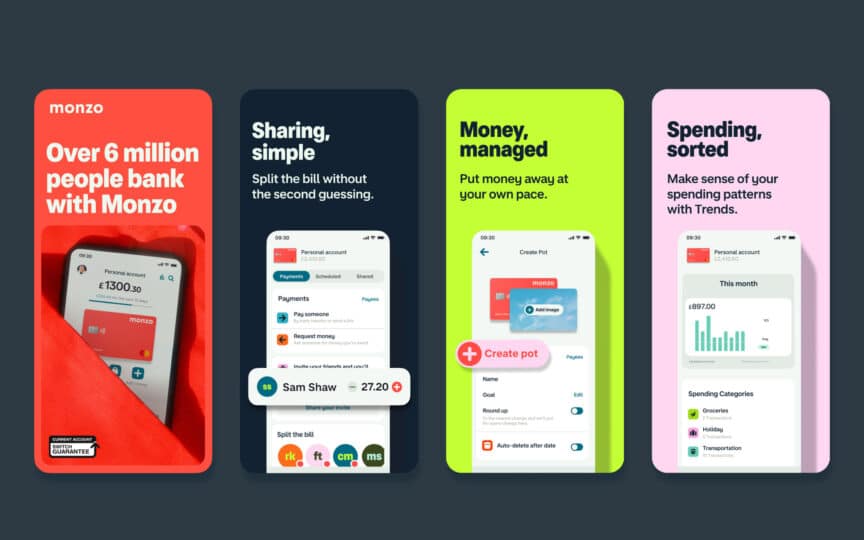
Banking isn’t exactly known for its sparkling personality, but Monzo changed that with language that’s refreshingly direct and human.
From their app notifications (“You just spent £8.50 on lunch – enjoy!”) to their help articles explaining financial concepts in plain English, they’ve created a voice that feels like a knowledgeable friend rather than a faceless institution.

Innocent
The pioneers of playful packaging, Innocent’s tone manages to be whimsical without sacrificing substance.
Their chatty labels, quirky social media and ‘we’re just making smoothies here’ approach created a brand voice so distinctive it spawned countless imitators.
But crucially, beneath the playfulness lies serious purpose – their sustainability messaging comes through clearly despite the conversational tone.
We’re not suggesting you should copy any of these approaches (in fact, please don’t) – but understanding why they work might help you find your own brand’s authentic voice.

So… how would your brand personality taste in a glass?
Here’s a thought experiment: if your brand voice was a drink, what would it be?
A flat, lukewarm tap water that nobody notices? A pretentious cocktail with too many ingredients and not enough flavour? Or a memorable, refreshing elderflower spritz that leaves people wanting more?
The metaphor might seem frivolous, but it’s a useful way to evaluate whether your brand has a personality worth experiencing. And if you’re coming up short in the taste test, it might be time for a brand voice refresh.
What your brand personality says about you is more significant than most realise – it communicates your values, your approach to business, and ultimately, how much you respect your audience’s time and intelligence.
When to refresh your brand voice
There are certain trigger points when reconsidering your verbal identity makes particular sense:
- After a merger or acquisition, when multiple brand voices need to harmonise.
- When repositioning your brand or targeting a new audience segment.
- If you’ve noticed a significant shift in your customer base or their expectations.
- If you’re consistently beating yourself up over inconsistent messaging.
- If, if we’re being completely honest, you’ve never really defined it in the first place.
The Amplius merger branding project is a perfect example of how personality-led branding can unite different corporate cultures under one coherent verbal identity, avoiding dull brand messaging while maintaining consistent communication across all business units.

Final thoughts: ditch the dull, embrace the different
In a marketplace drowning in sameness, a distinctive brand personality isn’t just nice to have – it’s a commercial imperative.
It’s the difference between being remembered and being scrolled past. Between connection and indifference. Between loyalty and mere transaction.
Ask yourself: if your brand personality walked into a room, would anyone notice? Would they remember the encounter the next day? Would they look forward to meeting again?
If the answers aren’t a resounding yes, perhaps it’s time to give your verbal identity some serious attention.
Because in a world of forgettable brands, being memorably yourself isn’t just good branding – it’s good business.
Let’s make your brand voice unforgettable
At Fabrik, we specialise in creating distinctive verbal identities that set brands apart. From developing comprehensive tone of voice guidelines to crafting compelling brand stories, we help organisations find their authentic voice and use it consistently across all touchpoints.
Drop us a line, and let’s start a conversation…
Fabrik: A branding agency for our times.

The agency behind the thinking
Fabrik is a branding consultancy. We help businesses navigate change, build clarity, and create brands that work. Got a challenge? Let’s talk.
Related insights
Connected thinking. Different angles.
The same productive uncertainty.

If you don’t have a strong brand messaging strategy, you have virtually no chance of building a strong relationship with your target audience or boosting sales. After all, your logo and products can only tell your customers so much about your brand. If you want to forge an emotional connection with potential customers, differentiate yourself […]

What is product differentiation? Today, we’re going to answer this question, and provide you with the tools you need to create a successful product differentiation strategy. If you’re ready, let’s get started… As of 2019, there were approximately 41,000 listed companies worldwide, generating a market value of about $80 trillion. Each of those businesses has […]
What is product branding? Today, we’re going to provide you with the complete product branding definition, and help you to discover what it really means to build an identity for a product. You’ve heard of branding for companies, perhaps even personal branding – but what does it mean to create a brand specifically for a […]

Your brand has one story to tell, but dozens of places to tell it. Website headlines, press boilerplates, investor pitches, conference bios—each demands a different length, yet the core message must stay consistent. That’s where a message hierarchy comes in. It’s your systematic approach to scaling one story across every format, from 150-word company descriptions […]

A plain-English guide to what brand purpose is, how to write it, and how to make it real. Brand purpose has become the business world’s answer to everything—from attracting talent to driving growth, from weathering crises to winning customer loyalty. Yet for all the evangelical fervour around purpose-driven brands, many organisations struggle to move beyond […]

How much do you know about umbrella branding? While you might have a basic idea of what this term means, the concept of an “umbrella brand” is frequently misunderstood, and even confused with other concepts, like the “house of brands”. So, what is an umbrella brand? An umbrella brand is a kind of brand architecture […]

What is mixed branding, and could it be a valuable way to grow your brand? As most business owners know, there are a huge range of ways to build an effective brand identity. Sometimes, the best way to grow is to partner with other companies on a “co-branding” campaign. Other times, you may focus specifically […]
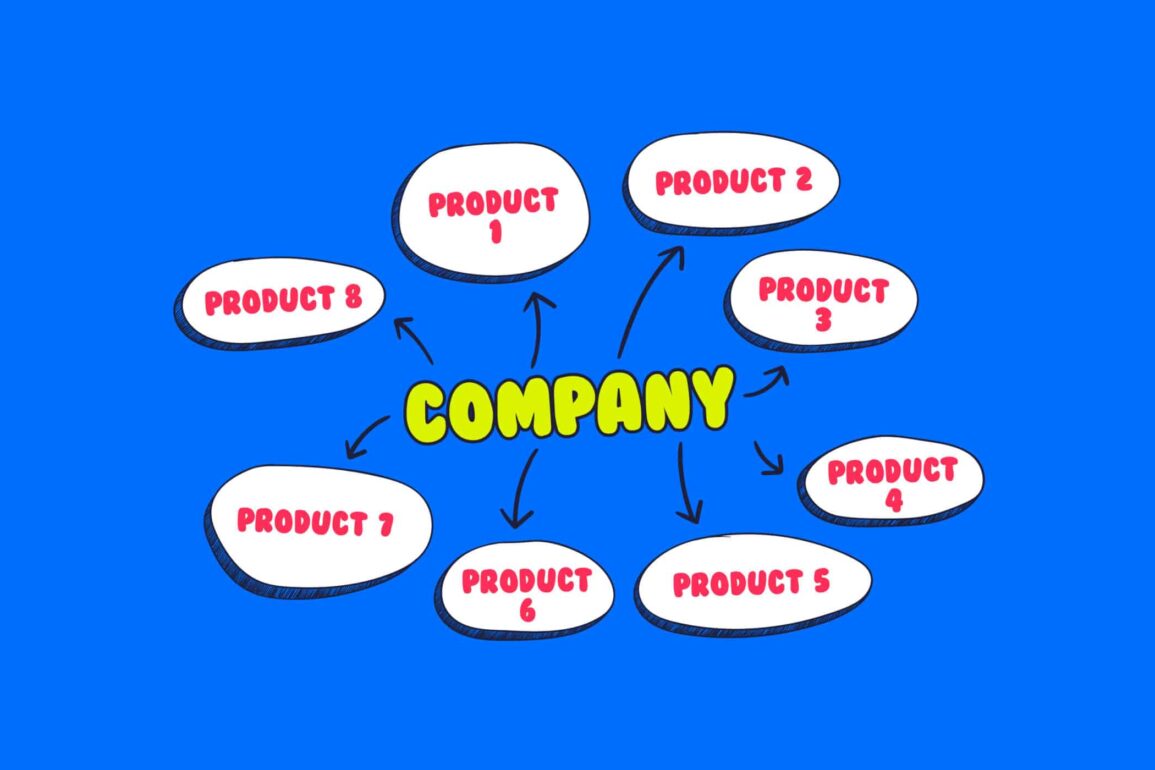
What is family branding and what makes it such a valuable strategy for modern companies? Simply put, a family brand, or family of brands involves using a single brand name to market multiple related products to a specific audience. With family branding, otherwise known as “umbrella branding”, companies produce a variety of different items under […]

How do you start a fitness clothing line? Now could be the perfect time to get started. If you have a passion for apparel and sports, you can create a lucrative business in the fitness apparel landscape. Sports clothing is gaining popularity at a phenomenal speed. In 2022, the “gym apparel” market was valued at […]

The retail landscape is more competitive than ever, particularly now that the popularity of ecommerce experiences has exploded. If you want to stand out in a $32.8 trillion market, the first thing you need is the right retail branding strategies. After all today’s retailers aren’t just vendors distributing products to customers, they’re valuable partners who […]
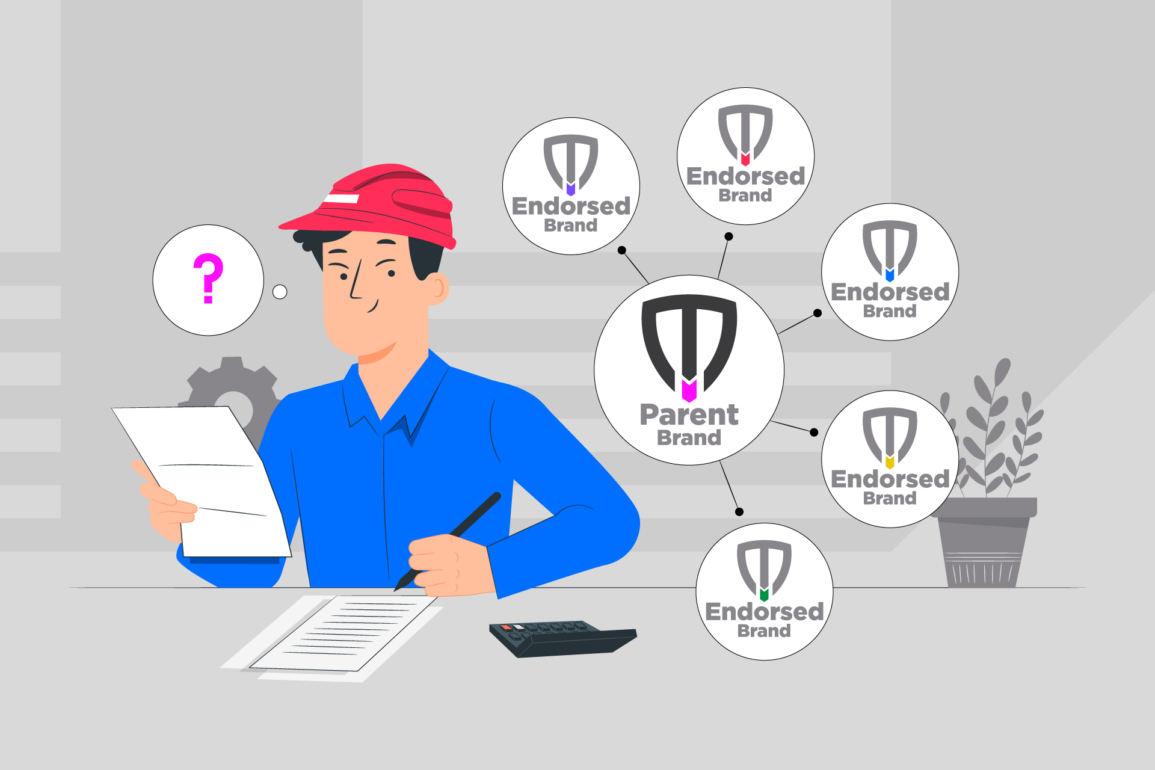
As companies grow, their branding strategies often evolve too. Some organizations launch new “sub-brands”, to help them connect with different audiences, launch new products, and explore various opportunities. However, the identity these organizations create for their “child brands” can vary. As you’ll see from the endorsed brand examples we’ll cover below, some innovators choose to […]

Mergers and acquisitions (M&As) are commonplace in the business world. M&A transactions can give organizations the power to expand, access new customers, and increase revenue. Unfortunately, without the right M&A brand strategy, even the best partnerships can fail. Mergers and acquisitions aren’t just financial transactions, after all, they’re transformative events. For two companies to join […]