
WRITE TO BE READ.
REPEAT YOURSELF
TO BE RECOGNISED.





Three stages. One voice.
We read what your category reads like before we write a word of your own. Competitor copy, sector vocabulary, the phrases that have become wallpaper through repetition. We map the adjectives everyone claims, the structures everyone uses, and the ideas everyone has quietly copied from each other. This shows us what your brand language has to move away from, and which territory is still genuinely yours. Most verbal identity projects fail here, before the first sentence is written, because no one bothered to listen to the category first.
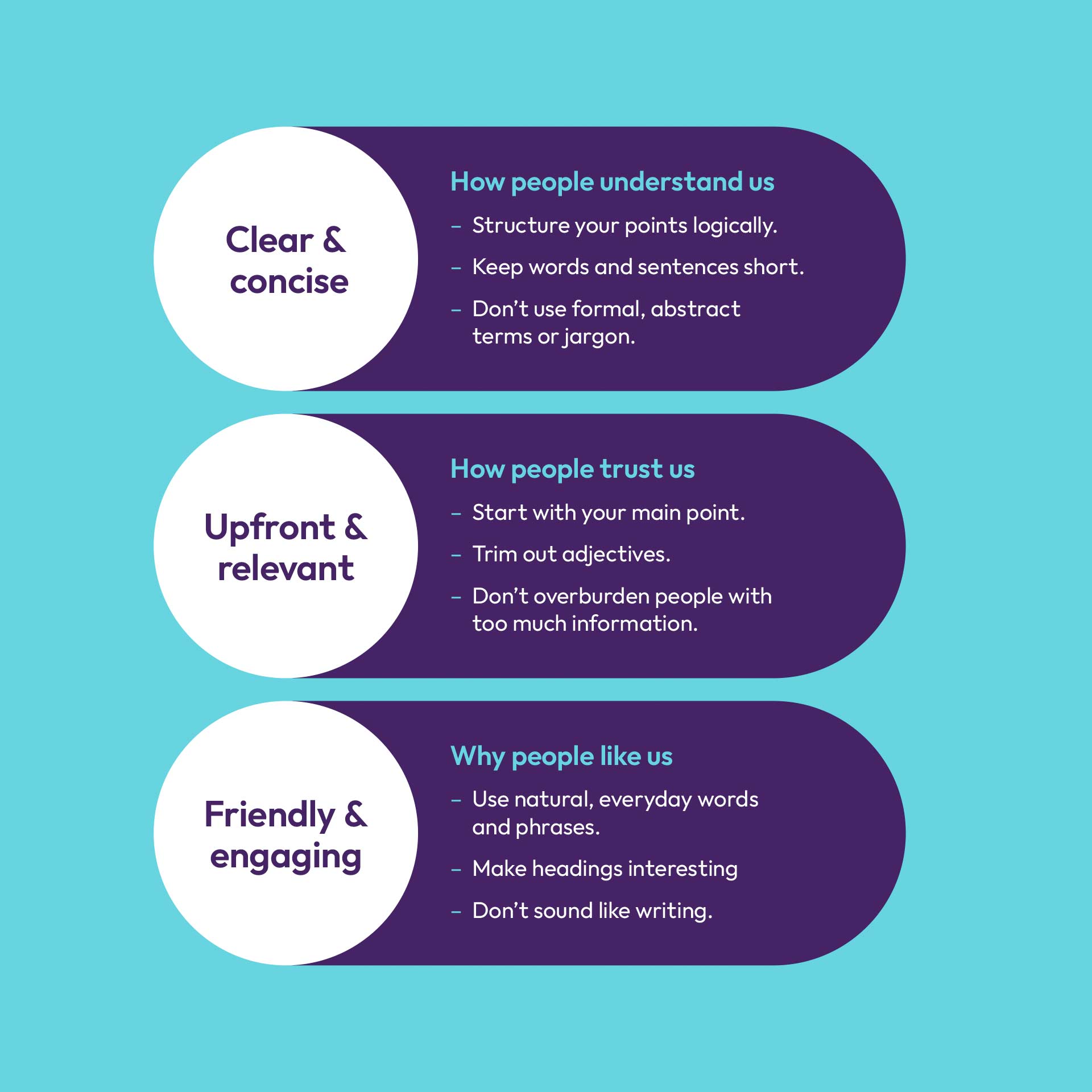
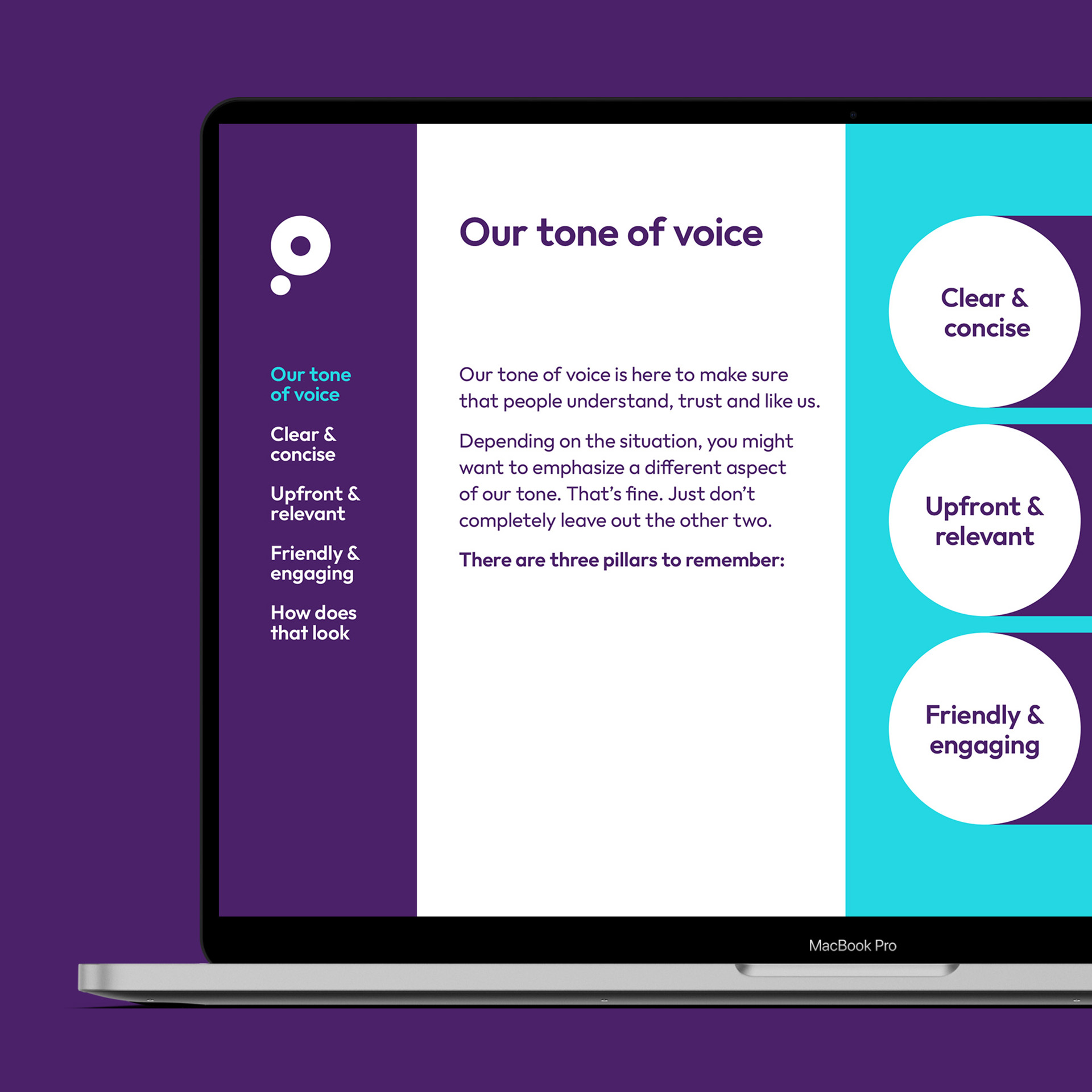
Here we define the logic beneath the language. Brand personality, brand voice, voice principles, writing principles, tone principles. Rules that govern how every sentence behaves. Not rules as restrictions. Rules as decisions made in advance. A brand voice is only as strong as the strategy behind it. We make the strategy explicit before we write a line.
Now we write. Brand vocabulary, tone of voice, messaging framework, messaging hierarchy, key messages, value proposition and brand narrative. Built as a scalable language system that flexes across channels without fragmenting. Because brand voice isn’t a tone setting. It’s a set of decisions that produce consistency automatically.
Built for writers. Not for shelves.
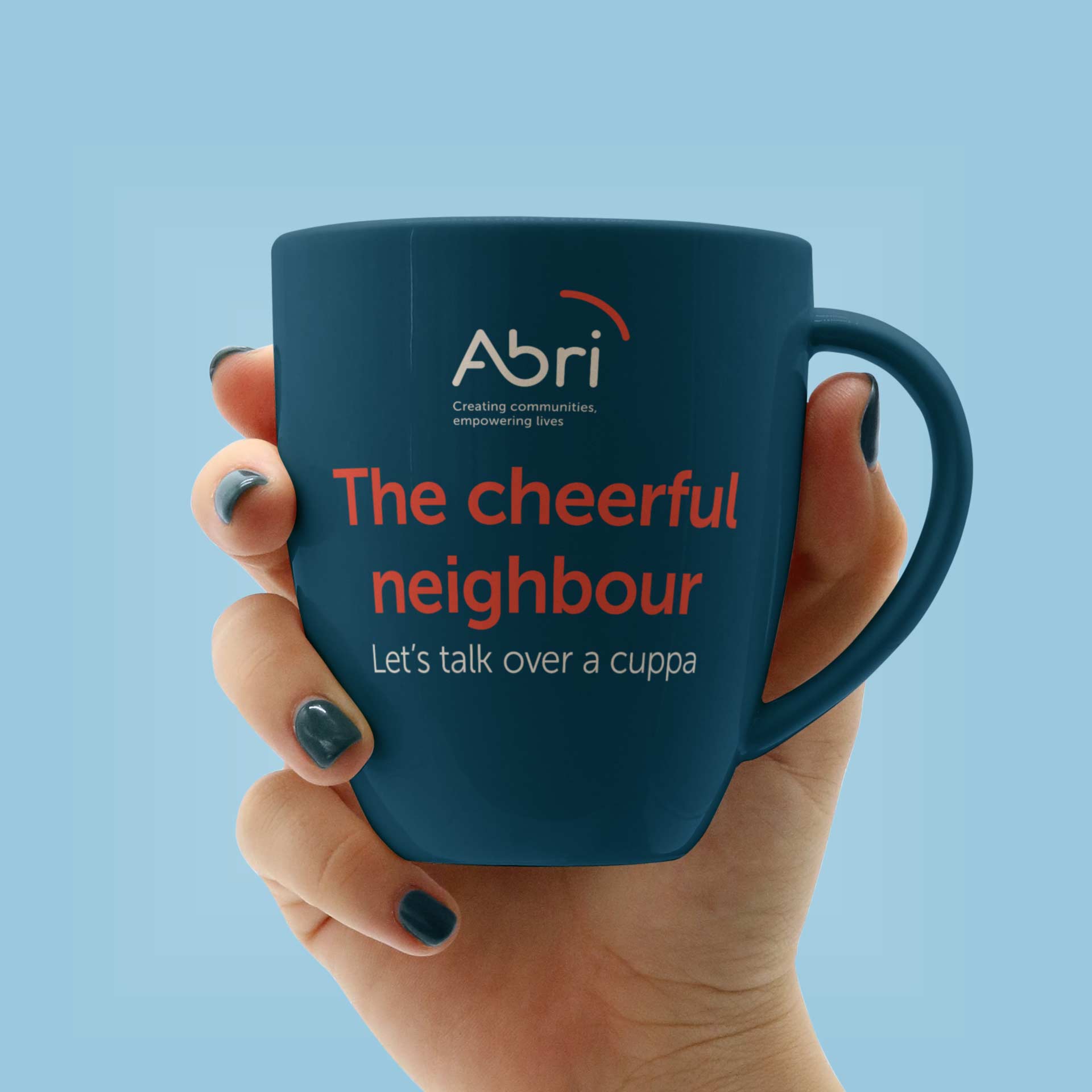
Tone of voice guidelines are where most verbal identity projects start and stop. For us, they’re one component. We define brand voice and the way it holds steady across every channel, alongside tone of voice that shifts deliberately by context. Apology emails. Sales decks. Social copy. Investor communications. Same voice. Different register. Brand voice guidelines and tone of voice guidelines written as tools writers use, not trophies they admire.
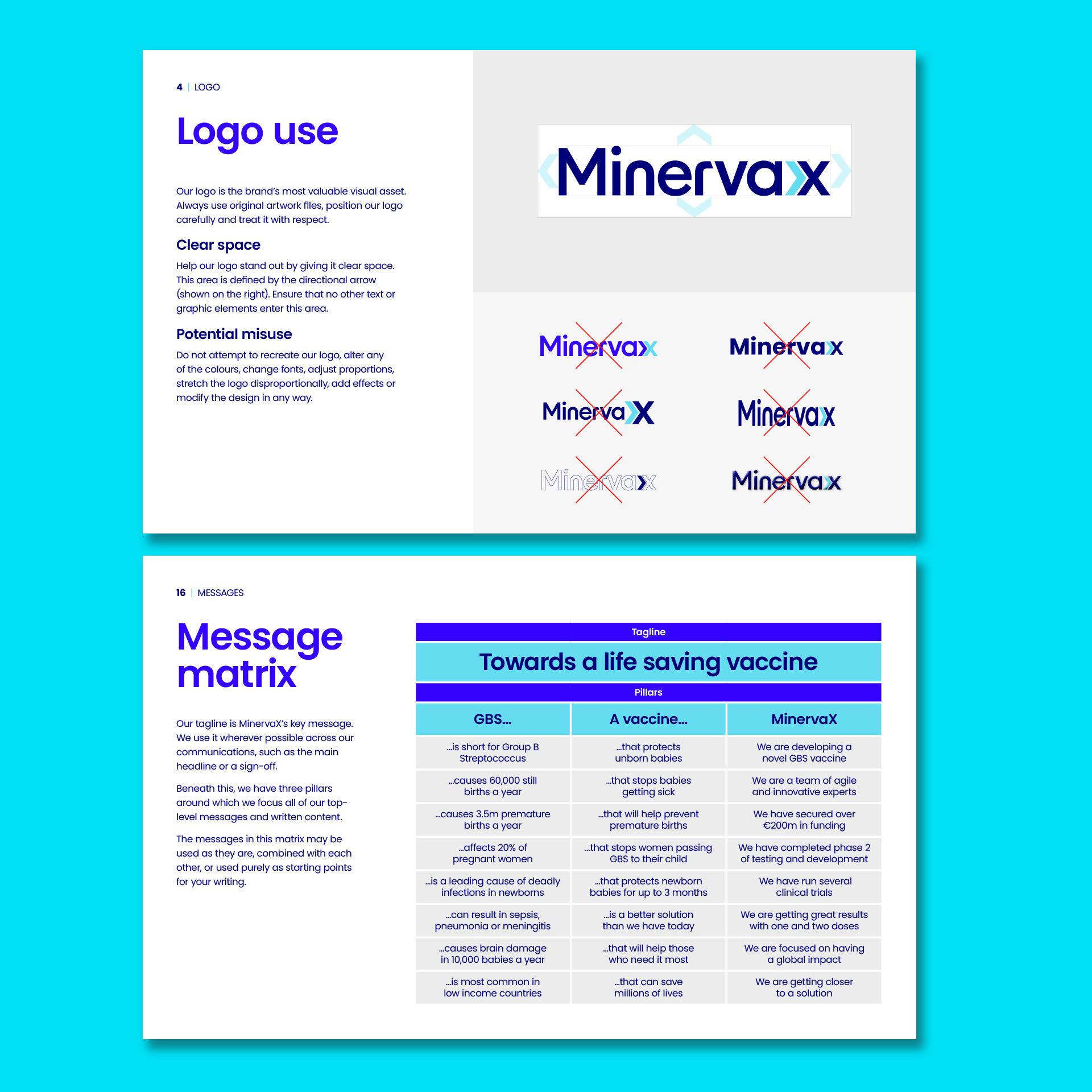
A messaging framework gives your organisation a common argument. Messaging hierarchy sets the order of priority. Key messages, proof points and value proposition turn strategy into sentences your whole team can use. Sales messaging, website messaging, campaign messaging, employer brand messaging. Same argument. Different audience. Brand messaging that compounds because every team member starts from the same place.
Brand narrative is the longer story. Brand story is the shorter version. Tagline development or strapline development produces the shortest version of all. A line that lands sits on top of an argument that’s already been made. Most taglines fail because they try to skip the argument. We don’t skip it. Brand storytelling follows the narrative, not the other way round.
Brand vocabulary is the part most agencies underweight. The words your brand uses. The words it refuses. Spelling, punctuation and capitalisation decisions that add up to a recognisable signature on the page. Editorial guidelines and copywriting guidelines codify the small choices that produce verbal consistency and messaging consistency without anyone having to ask.
Every verbal identity system we deliver comes with the verbal identity guidelines required to keep it consistent. Brand voice guidelines, tone of voice guidelines, editorial guidelines and a verbal toolkit covering brand headlines, boilerplate copy, elevator pitch, brand manifesto and worked copy examples. Ready for team adoption, stakeholder alignment and verbal rollout from day one. Built for writers, not archives.