
TWO BRANDS ARRIVE.
ONE BRAND LEADS.
NEITHER ONE LOSES.




Three stages. One organisation.
Before anyone discusses names or logos, we establish what each existing brand is genuinely worth. Brand equity assessment. Customer research. Employee research. Competitor analysis. Market perception on both sides of the deal. Then we consult the people who have to live with the outcome, separately before jointly, because leadership teams say different things in different rooms. The output is a brand decision framework: the criteria against which every later choice gets judged. Most merger branding fails here, months before launch, because the framework was replaced by whoever spoke loudest in the first meeting.
Then the structural decision. One brand leads. Both are retained. One endorses the other. Or a new brand replaces them both. Merger brand architecture sets what happens to every legacy name, sub-brand and product line, including the ones acquired three deals ago. Where a new name is genuinely required, we develop it. Where it is not, we say so and save you the year.
A decided brand is not an adopted one. We build the migration roadmap. Touchpoint audit. Asset migration. Digital transition. The sequence in which signage, systems and contracts change. Internal launch before external launch, always. Then governance and guidelines, so the second year holds the shape the first year set. Post-merger branding is the stage most partners have already left by. We have not, and we do not.
Decided first. Designed after.
What the combined organisation stands for, said in a way that is true of both halves and flattering to neither. Purpose. Positioning. Proposition. The merger narrative that explains why this happened, written for people who did not vote for it. Investor messaging, customer messaging and employee messaging built from one argument rather than three departments, so the story holds wherever it is told in.
Two portfolios arrive. One has to leave. We map every brand, sub-brand and product name across both organisations, then decide which are retained, which are endorsed and which are retired. Masterbrand or endorsed. Consolidated or held apart. Legacy equity is migrated deliberately rather than abandoned. Built so the next acquisition has somewhere obvious to go, rather than becoming the reason for the next structural review.
Sometimes the merged organisation needs a new name. Often it does not, and the honest answer saves a great deal of money. Where a name is required, we develop it properly. Naming criteria drawn from the decision framework. Longlist, shortlist, trademark screening, domain and linguistic checks. Then the naming rationale that explains the choice to two boards, two workforces and one market, and keeps explaining it after everyone who commissioned it has moved on.
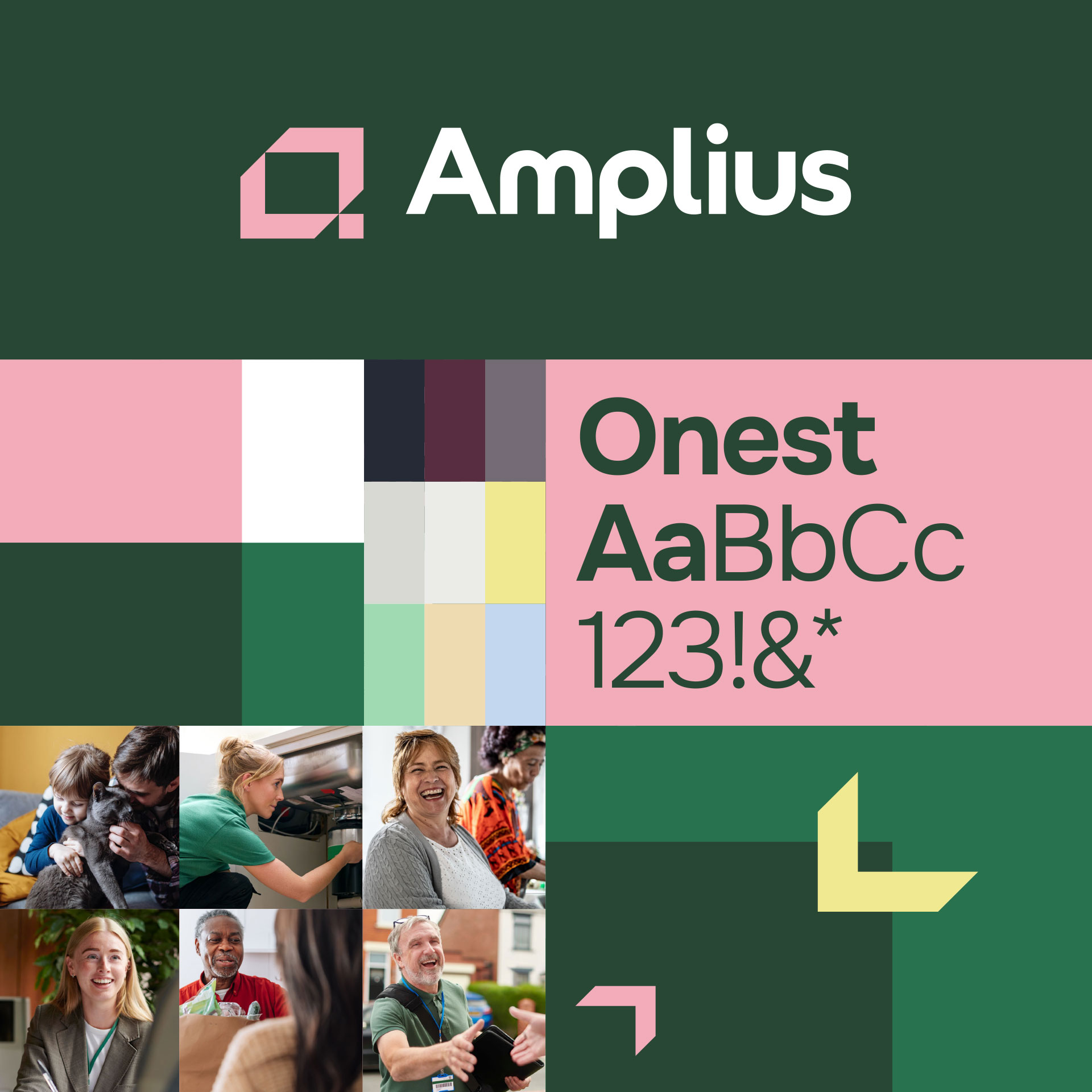
The identity is where the decision becomes visible, which is why it cannot be a compromise between two existing marks. We develop the visual identity, the verbal identity and the tone of voice as one system. Logo. Palette. Typography. Messaging framework. Written and designed so that a person who worked at either legacy business can recognise themselves in it without recognising their old brand. Familiar in temperament. Unfamiliar in execution.
Employees find out before customers do. We plan the internal launch, the change communications and the leadership narrative, then the external announcement and customer transition. Guidelines, training and governance follow, covering both legacy teams rather than the one holding the marketing budget. Adoption is the only measure that counts, and it is measured in the second year.