
SOFTWARE BRANDING SERVICES
FAST. YOUR BRAND
SHOULDN'T.




Software branding services. Six disciplines. One system.
Finding the thread that holds.
Your product does twelve things well. Your competitors do eight of the same things. Somewhere in that overlap is the story you need to tell. We develop strategy by stress-testing every claim against what prospects remember. A value proposition that survives the demo. And clarity on what you’re choosing not to say.
Own the category. Or build your own.
Most software companies position on features. We position to change how buyers frame the problem. The kind of SaaS positioning that shapes shortlists before procurement even starts, survives vendor comparison matrices, and still makes sense when your roadmap pivots.
The obvious names are always taken.
Software naming carries constraints others don’t. Domain scarcity. Trademark complexity across jurisdictions. App store conflicts. And naming by stakeholder consensus rarely produces anything memorable. We push until the safe options are exhausted. That’s where the right name usually is.
Brand meets product. Finally.
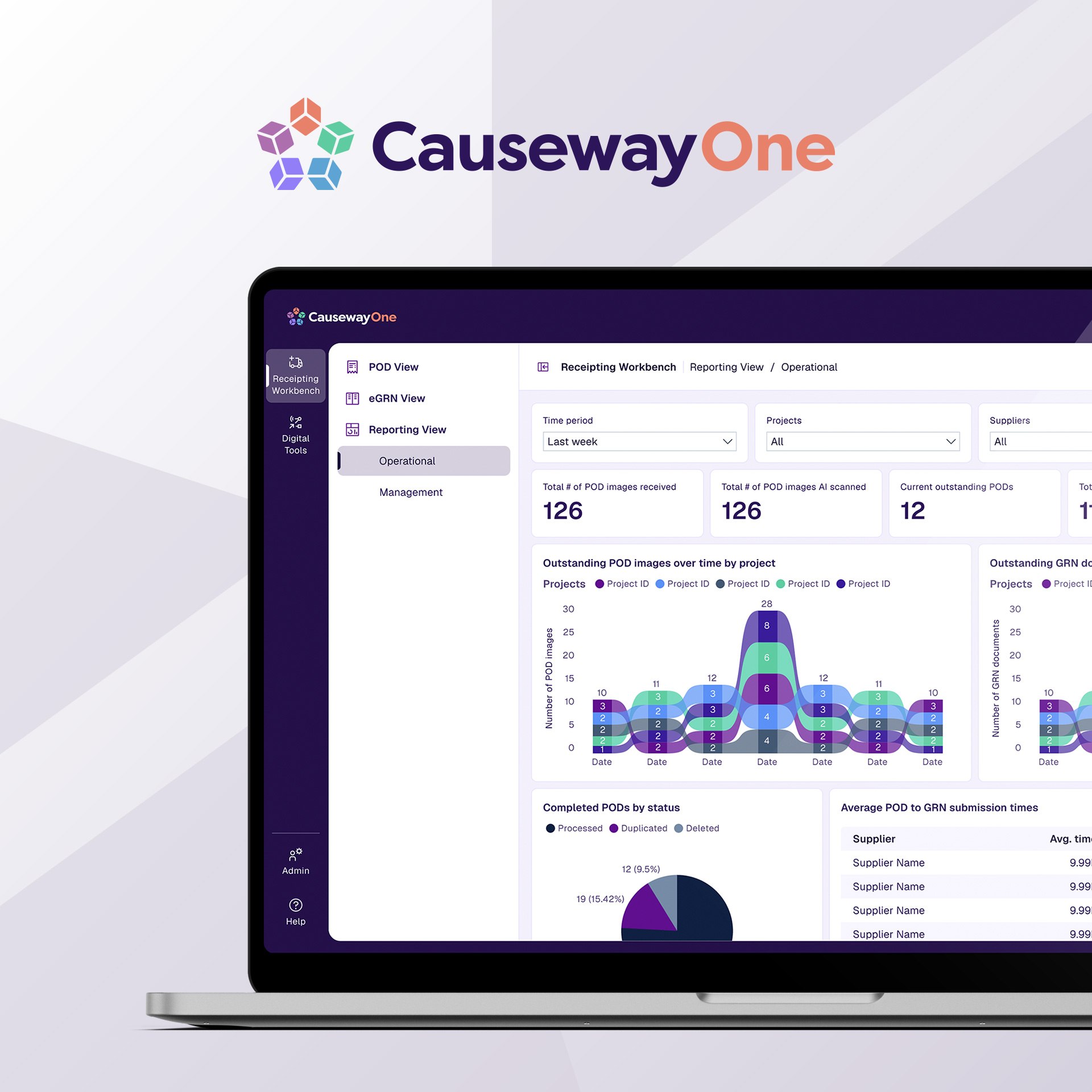
Marketing site. Product UI. Investor deck. Customer comms. Your visual identity fractures across all of them. A design system that stops at the login screen. Dashboard components that feel like a different company. We design for brand consistency across product, website and comms – not another gradient your engineers will ignore.
Technical clarity. Human resonance. Both.
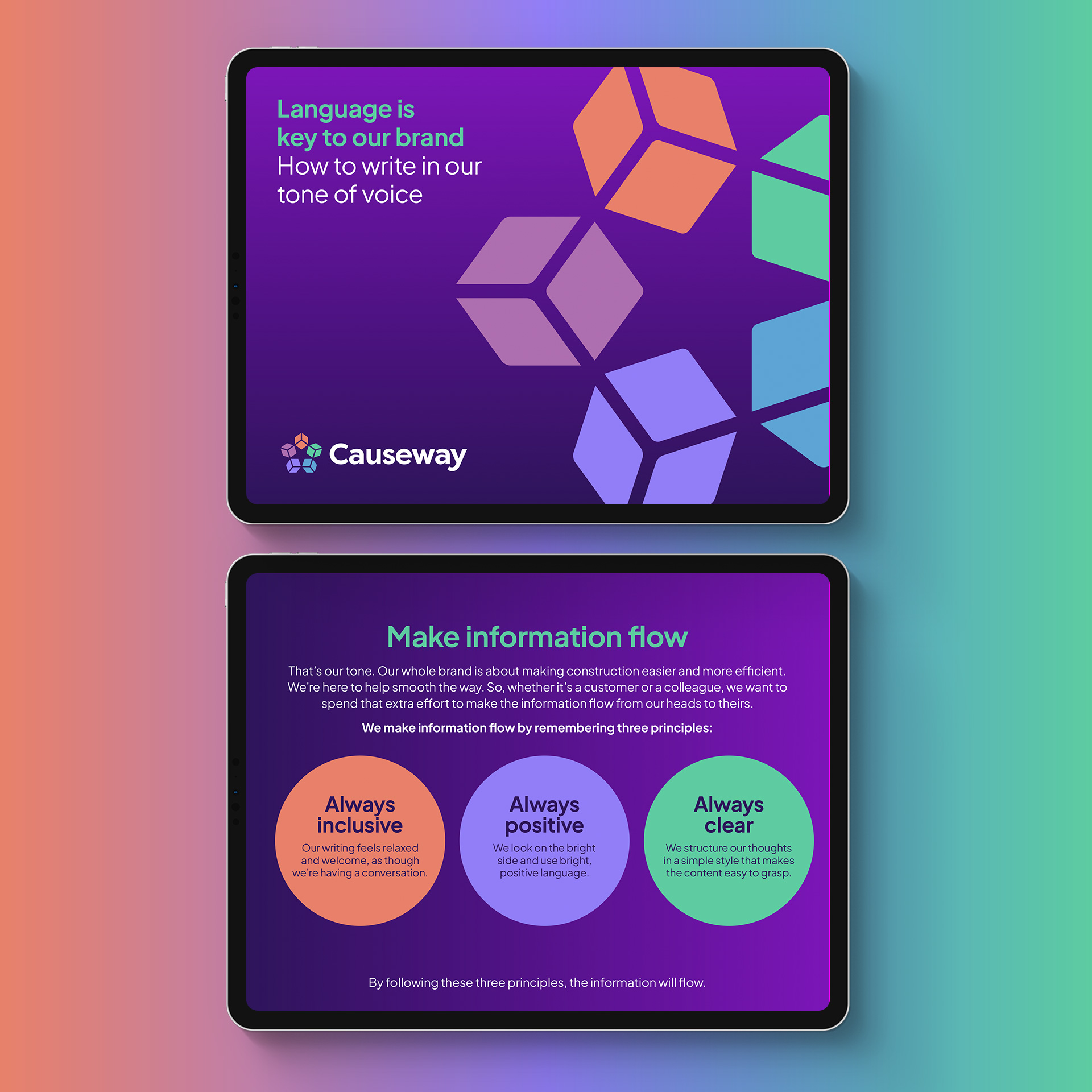
Software messaging walks a line. Too technical and you lose the economic buyer. Too simple and you lose the technical evaluator. Most companies pick a side and stay there. We develop tone of voice frameworks that translate complexity into credibility. From feature announcements to the onboarding flow to the slides your founder presents at SaaStr.
Built for how teams really work.
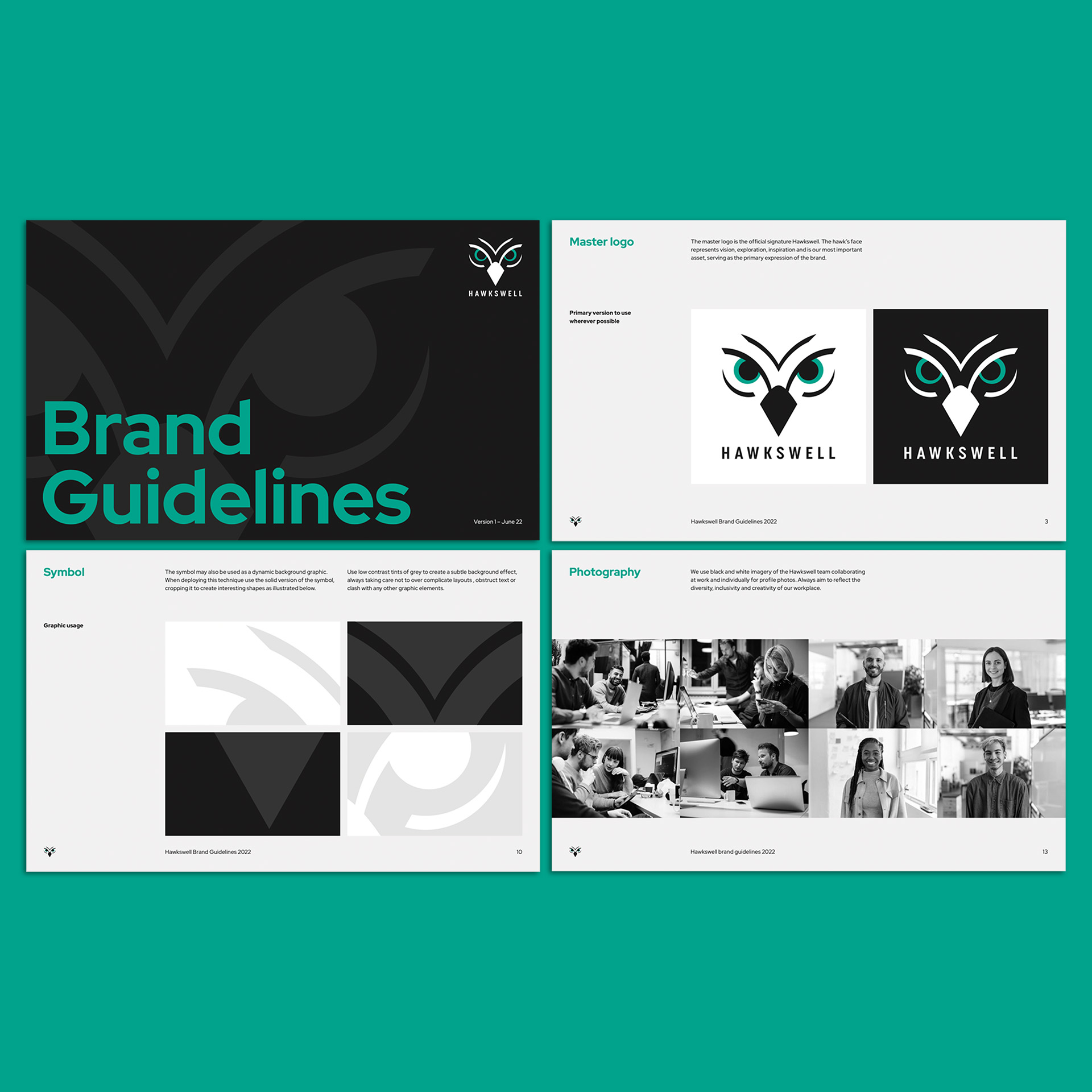
Partner integrations. Customer co-branding. The designer who joined after the rebrand. Your guidelines need to hold when you’re not there to explain them. We build systems with enough structure for enterprise procurement and enough flexibility for a product team shipping weekly.
level up a gaming brand.






elevate a technology innovator.